Delhi-NCR Air Slips to 'Very Poor': GRAP Stage II in Force, But Schools Remain Open
Delhi and the surrounding National Capital Region (NCR) are breathing 'Very Poor' air, prompting the Commission for Air Quality Management (CAQM) to impose Stage II of the Graded Response Action Plan (GRAP) across the region with effect from November 2.
The 'Very Poor' band corresponds to an Air Quality Index (AQI) between 301 and 400 — a level at which prolonged exposure can cause breathing discomfort for most people, with more serious effects for those living with heart or lung conditions, children and the elderly.
GRAP is a graded, emergency-response framework that tightens restrictions as air quality worsens. Stage I applies at the 'Poor' level (AQI 201-300) and imposes basic curbs. Stage II escalates those measures. Stages III and IV bring stricter action, including restrictions on construction activity and on certain categories of vehicles.
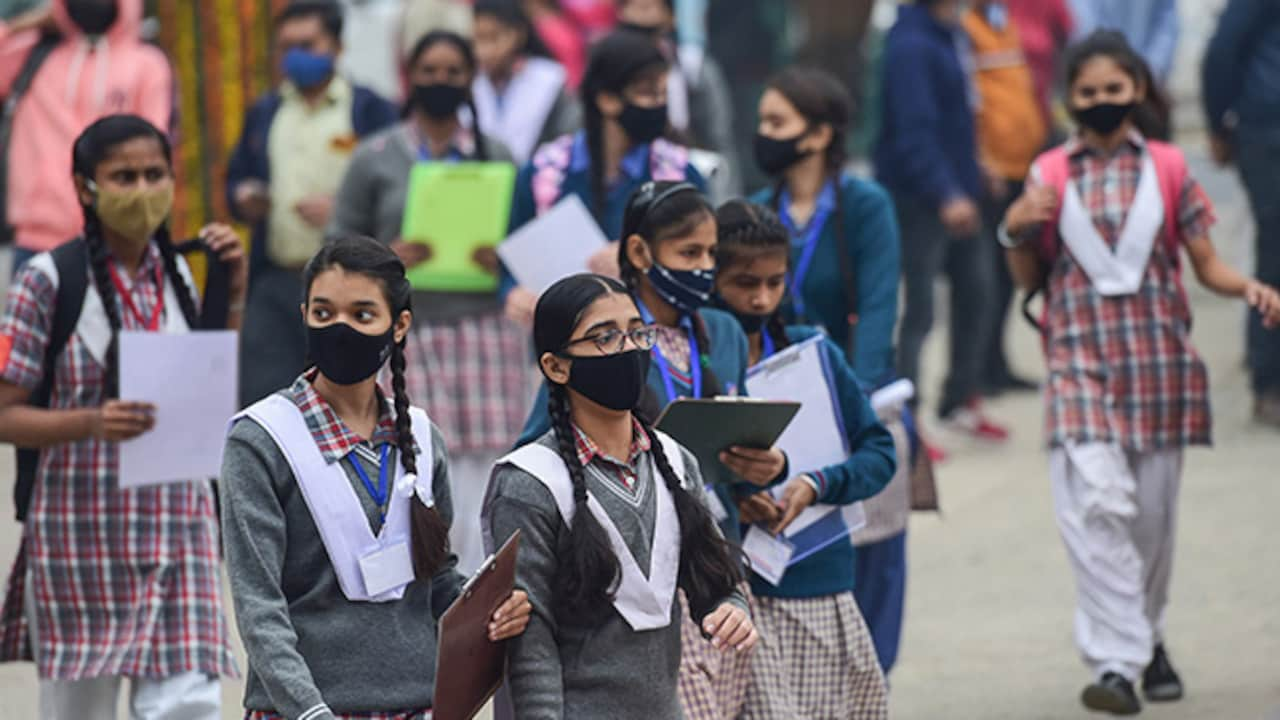
For parents across Delhi, Noida, Gurugram and Ghaziabad, the immediate question is a practical one: will schools stay open?
The short answer is yes. GRAP Stage II does not require schools or colleges to shut or shift to online classes. Educational institutions can continue with regular classes unless a separate order is issued by the concerned state government or district administration.
Parents should watch for messages from their school and announcements from local authorities, since any change in timings or mode of teaching would be communicated through those channels.
When do hybrid classes begin?
The hybrid provision under GRAP comes into effect only at more severe stages. At Stage III — when the AQI is between 401 and 450, or 'Severe' — classes up to Class 5 are to be conducted in hybrid mode in Delhi and the specified NCR districts, including Gurugram, Ghaziabad and Gautam Buddh Nagar.
At Stage IV, when the AQI crosses 450 ('Severe Plus'), hybrid classes may be extended to higher classes under the applicable GRAP provisions.
Under hybrid learning, students can attend classes physically or online, wherever the online option is available. The choice of online classes rests with students and their parents or guardians.
What changes under Stage II?
Stage II focuses on curbing pollution from vehicles, road dust and other sources. Authorities across Delhi-NCR have been asked to:
- Step up mechanical and vacuum sweeping of roads.
- Sprinkle water and use dust suppressants, particularly on roads carrying heavy traffic.
- Take steps to ease congestion at busy road junctions.
- Regulate the use of diesel generator sets.
- Encourage public transport and reduce unnecessary private vehicle trips.
What should parents and schools do?
Even with institutions open, precautions matter on bad-air days. Schools can hold morning assemblies and outdoor activities indoors, and limit outdoor sports and physical training when pollution levels peak.
Parents should follow air-quality advisories, particularly if a child complains of breathing discomfort. Students with respiratory conditions should follow their doctor's advice and take the necessary precautions. Checking school messages for changes to timings or outdoor activities is advisable.
The CAQM may review the situation and introduce stricter measures if air quality deteriorates further. Readers are advised to rely on official advisories from the CAQM, state governments and district administrations for the latest instructions.