TRAI vs Truecaller: Spam Call Regulation Sparks Dispute Over User Safety
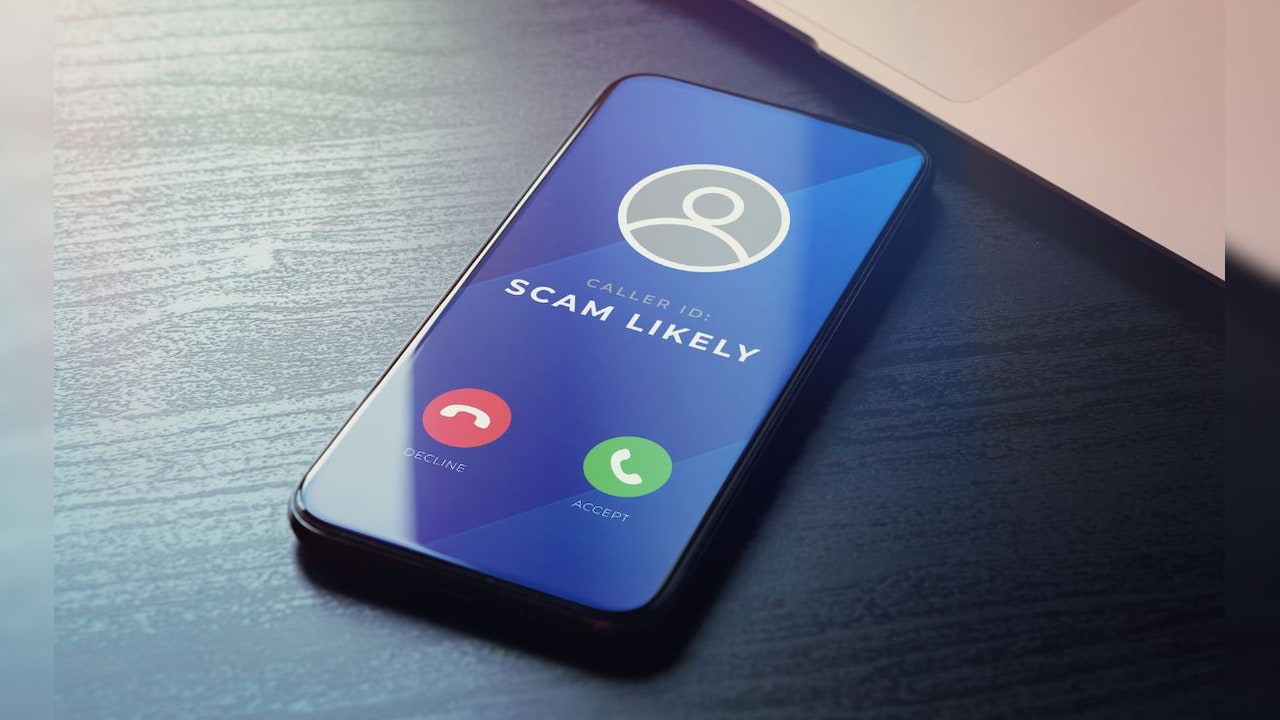
The Telecom Regulatory Authority of India (TRAI) and Truecaller, a popular caller identification app, are locked in a disagreement over the role of third-party apps in flagging spam calls. The dispute centres on TRAI's efforts to prohibit Truecaller from displaying spam warnings for phone numbers in the 140 and 1600 series, which are designated for telemarketing and service calls from businesses with user consent.
On July 8, 2026, Truecaller CEO Rishit Jhunjhunwala publicly criticised the regulator after reports emerged that TRAI sought powers from the Ministry of Electronics and Information Technology to take action against Truecaller and similar apps like Hiya and Whoscall for labelling calls from these designated series as spam. In a post on social media platform X, Jhunjhunwala said, 'We are the good actors who are helping hundreds of millions of Indians every day, including the vulnerable elderly, to have a trusted communication experience. Instead, they want to enable bad actors and give them an open playground to spam and scam us by censoring community information.'
TRAI's anti-spam framework, introduced in 2024, aimed to reduce spam by requiring businesses to use specific number series for marketing and service calls. The regulator argued that this would help consumers identify legitimate calls and reduce the problem of missed genuine calls due to reluctance to answer unknown numbers. Under the framework, the 140 series is for telemarketing, while the 1600 series is for service and transaction calls from banks and other financial institutions.
In February 2025, TRAI amended the Telecom Commercial Communications Customer Preference Regulations (TCCCPR), 2018, to mandate migration to these dedicated number series, restricting the use of normal 10-digit numbers for telemarketing. Earlier this year, the regulator proposed a third amendment that would ban call management apps from blocking, filtering, tagging, or blanket spam-tagging calls from these designated commercial number series. Non-compliance could result in losing the safe harbour protection under Section 79 of the Information Technology Act, 2000, which shields platforms from liability for third-party content.
Truecaller, headquartered in Stockholm, counts India as its largest market, with over 350 million of its 500 million monthly active users based in the country. The company's revenue primarily comes from in-app advertisements and partnerships with firms like Swiggy and Uber, as most Indian users do not pay for the app. In 2025, Indian users reported 41.68 billion spam calls, making India the fifth most affected country globally by spam calls and messages.
The clash comes as Truecaller expands into new products and services beyond caller ID, facing increasing competition and regulatory scrutiny. The ongoing dispute highlights the tension between consumer protection and regulatory frameworks aimed at curbing spam while ensuring legitimate business communications are not disrupted. TRAI's move seeks to balance these interests, but Truecaller argues that the regulation would undermine user safety and embolden spam perpetrators.
As the matter unfolds, users in India may experience changes in how spam calls are identified and managed. The outcome will likely have significant implications for digital communication, consumer protection, and the role of third-party apps in the telecom ecosystem.