Ladakh Announces Autonomous Councils for All Seven Districts
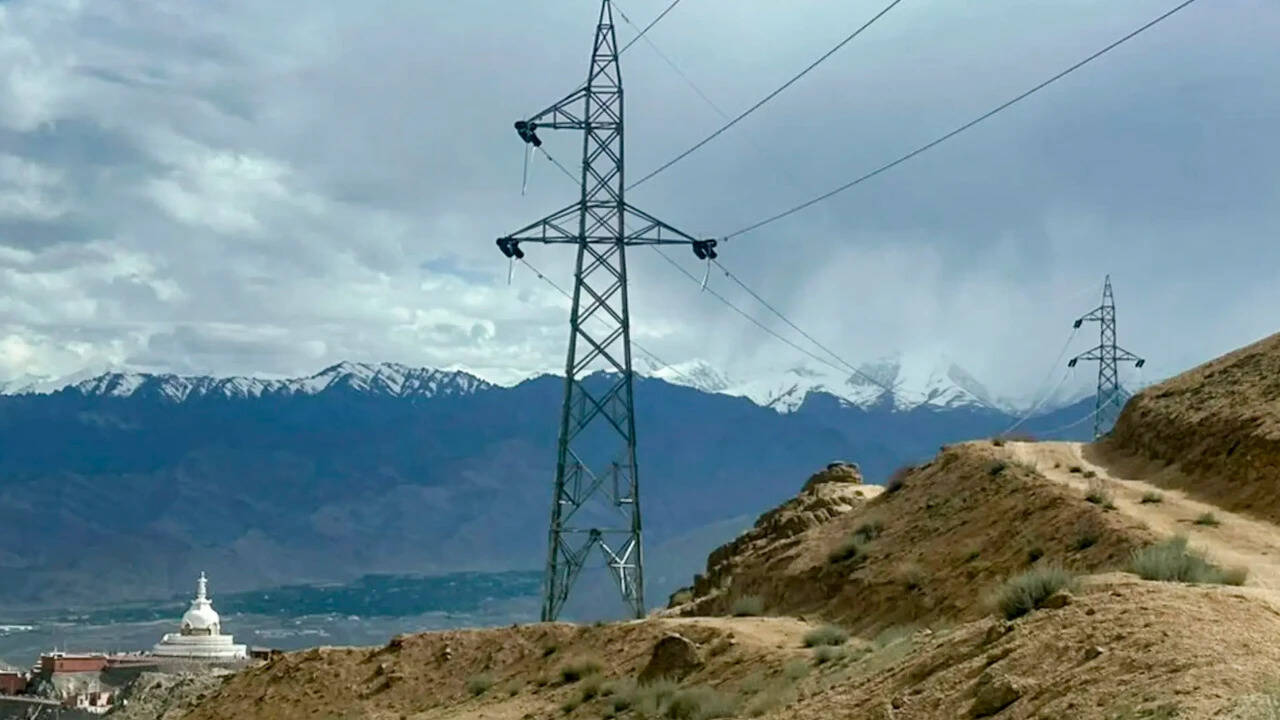
The Ladakh administration on Monday announced its decision to constitute autonomous hill development councils for each of its seven districts, marking a significant step towards grassroots governance. The announcement comes amid ongoing activism by environmentalist Sonam Wangchuk, who has been fasting in New Delhi in solidarity with a campaign against alleged irregularities in the NEET examination.
Chief Secretary Ashish Kundra, addressing a press conference in Leh, stated that the move is a major step towards democratic decentralisation. The new councils will be established in the districts of Nubra, Changthang, Sham, Zanskar, and Drass, in addition to the existing councils in Leh and Kargil. These councils will exercise the full powers outlined in the Ladakh Autonomous Hill Development Council (LAHDC) Act.
According to Kundra, the new districts will receive the same authority that Leh has held since 1995 and Kargil since 2003, with no reduction in powers. The councils will have control over land ownership and allotment within their districts, as well as the regulation of recruitment and promotions for district cadre posts. They will also manage health, education, tourism, local infrastructure, and social welfare schemes. Each council will have a dedicated fund and the authority to levy taxes and fees.
The formation of these councils follows a series of negotiations between Ladakh representatives and the Union home ministry. In May, the Ladakh bodies — the Leh Apex Body (LAB) and Kargil Democratic Alliance (KDA) — reached an agreement in principle on the creation of elected bodies at the Union Territory (UT) and district levels with full legislative, executive, financial, and administrative powers, along with constitutional safeguards under Article 371. However, the Ladakh representatives later raised objections to the minutes of the meeting, citing omissions regarding Article 371 assurances and control over the bureaucracy. These concerns were addressed in a subsequent meeting in Leh on June 3, leading to the signing of the minutes.
Chief Secretary Kundra informed that future talks will focus on the structure of the UT-level elected body and the scope of safeguards under Article 371. Both sides are finalising their respective drafts, and a date for discussions will be set soon. He noted that the model proposed for Ladakh, with elected representation at the village, district, and UT levels, has no parallel elsewhere in India and will draw on the best features of other arrangements. Some rebalancing of powers between the councils and the UT body may follow.
Under Section 3(1) of the LAHDC Act, a council can be constituted for every district from a date notified by the government. Only amendments to the act where required and a delimitation of constituencies remain to be completed. The demographic composition of the seven districts varies: five are predominantly Buddhist, while Drass and Kargil have significant Muslim populations.







