Theft at Kashi Vishwanath Temple in 1983 led to government takeover, ending centuries-old mahant rule
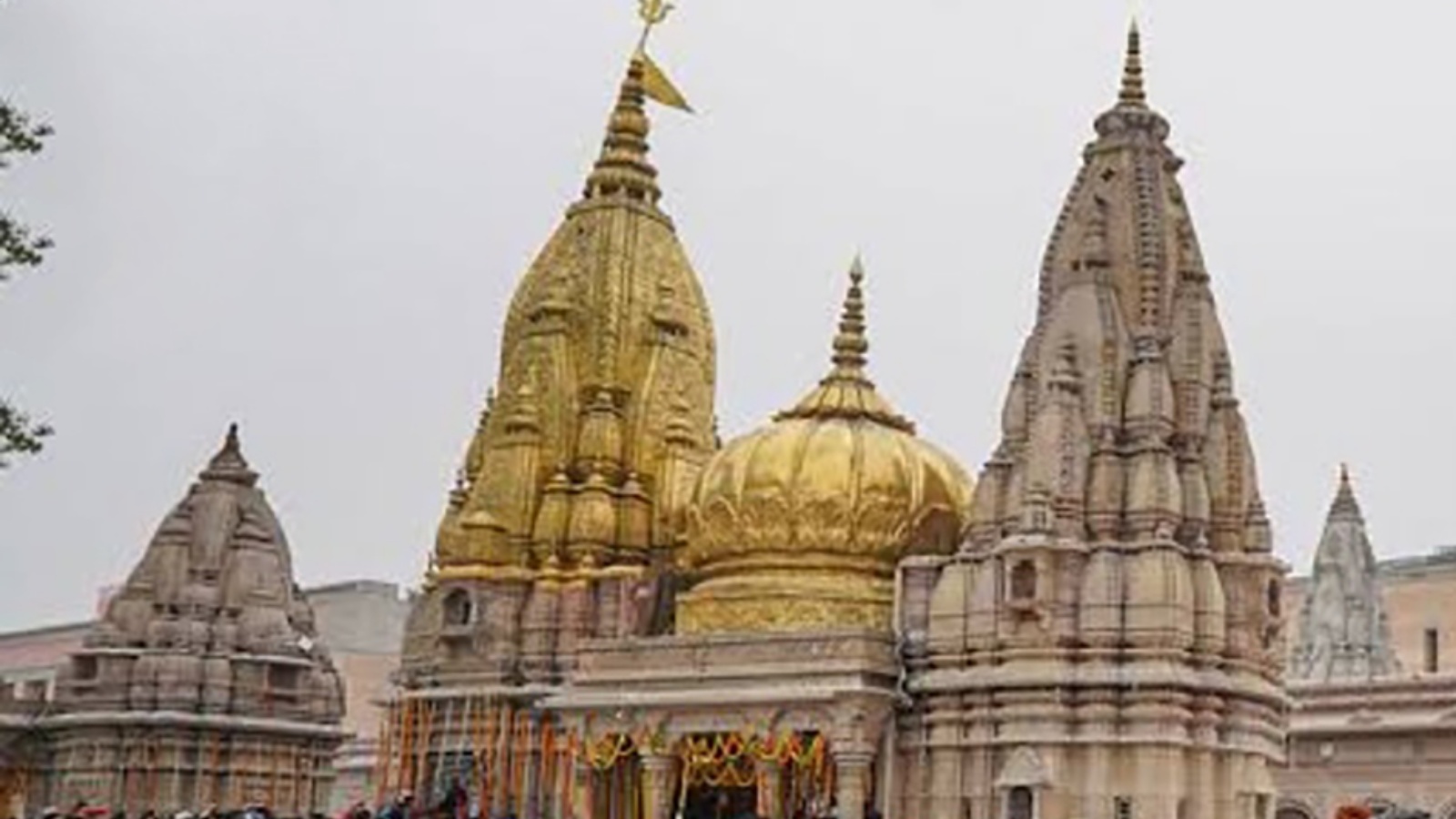
In January 1983, the theft of a gold ornament from the Kashi Vishwanath Temple in Varanasi triggered a chain of events that ended centuries-old management by mahants and placed the temple under a government-constituted trust. The incident exposed long-standing mismanagement and led to a historic shift in temple governance.
On the night of January 4-5, 1983, the golden Argha—a 2.6-kilogram gold base encircling the Shivlinga—was stolen. The theft sparked outrage, prompting a swift police investigation led by then-UP Director General of Police Shrish Chandra Dikshit. By January 22, 11 people were arrested, and most of the stolen property was recovered, though it was not returned to the temple trust until November 2006.
Public criticism mounted against the mahant-led management system, which had been in place for centuries. Facing pressure, the Uttar Pradesh government, then led by Chief Minister Sripati Mishra, acted decisively. On January 28, 1983, an ordinance was promulgated transferring temple management to a government-constituted trust. This was later replaced by the Uttar Pradesh Sri Kashi Vishwanath Temple Act, 1983, which received presidential assent on October 12, 1983, and was made effective retroactively from January 28. The Act established a board of trustees comprising religious figures and senior government officials, with Vibhuti Narayan Singh as its president, a role he held until his death in 2000.
According to government statements at the time, the transition brought significant improvements. Under the mahants, daily offerings were reportedly recorded at Rs 300-500, while temple assets were valued at nearly Rs 15.5 crore. The government provided an initial loan of Rs 11 lakh, of which Rs 6 lakh funded a new golden Argha and Rs 5 lakh was deposited for routine expenses. After the takeover, daily offerings increased to about Rs 1,500. Priests, who previously received Rs 8 per month plus meals—conditions described as 'bonded labour' by Social Welfare Minister Gulab Sehra—saw their salaries raised to Rs 300 per month with lunch provisions. Infrastructure upgrades included 20 tubelights and 11 fans, and cleanliness campaigns were prioritised.
The change was not without controversy. Questions were raised in the assembly about Vibhuti Narayan Singh's past opposition to the entry of Harijans (Dalits) into the temple in the mid-1950s. Some MLAs asked if he had given an affidavit not to repeat such views. The police chief, Shrish Chandra Dikshit, later joined the Vishva Hindu Parishad in 1984 and became involved in the Ram Temple movement.
The 1983 Act remains in force, marking a significant shift from traditional religious management to state oversight. The case continues to be cited in discussions about temple administration and accountability.







