Tax Filing 2026-27: Incorrect ITR Form May Trigger Automated Notice
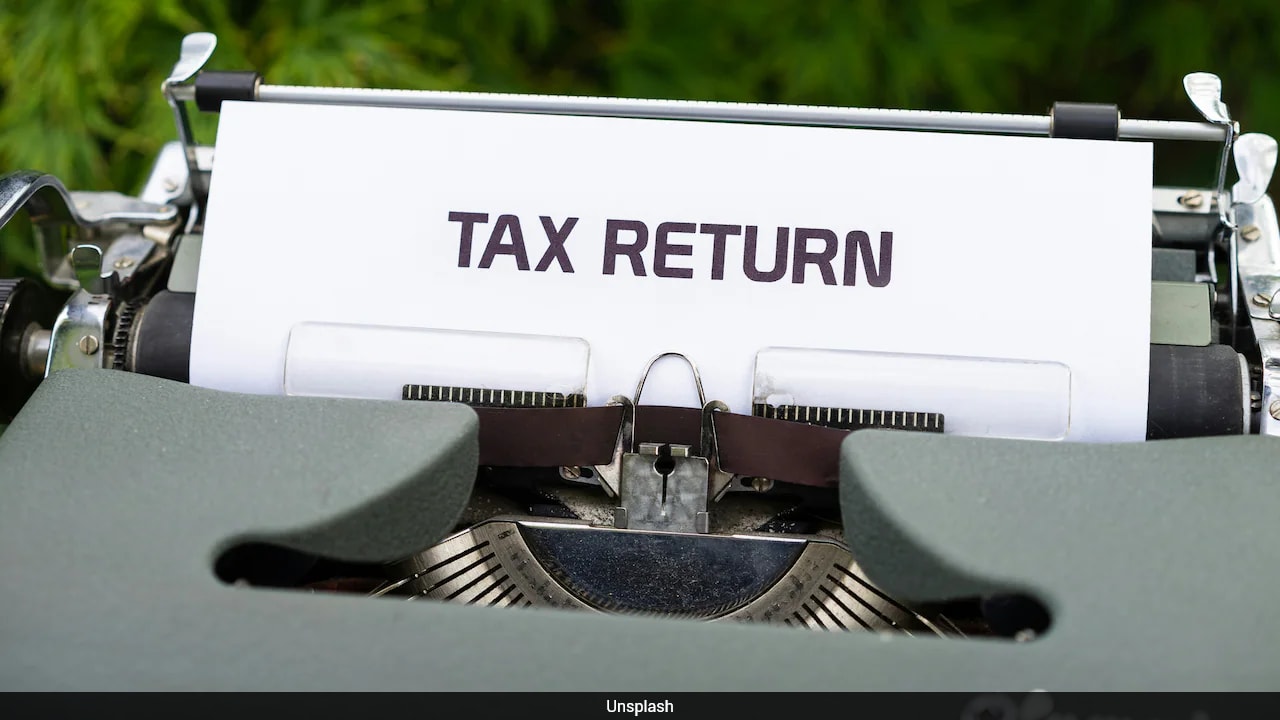
As the tax-filing season for Assessment Year 2026-27 begins, taxpayers across India are reminded of the importance of selecting the correct Income Tax Return (ITR) form. The Income Tax Department has seven distinct forms, each designed for specific income sources, asset holdings, and taxpayer categories. Filing under the wrong form is considered a compliance error and can lead to an automated deficiency notice from the department.
For salaried individuals, ITR-1 (Sahaj) is the simplest option. It is available only to resident individuals with total income up to Rs 50 lakh, and whose income comes from salary, one house property, pension, or interest from savings accounts. However, those who own unlisted equity shares, hold a directorship in a company, or own more than one residential property must use ITR-2, even if their income is below the threshold.
ITR-2 is meant for individuals and Hindu Undivided Families (HUFs) whose income exceeds Rs 50 lakh, or who have capital gains, foreign income, or multiple properties. It cannot be used if the taxpayer has income from business or profession.
Taxpayers with income from business or profession must file ITR-3. This includes freelancers, contractors, digital creators, and partners in firms who receive bonuses or commissions. For small businesses and professionals eligible for presumptive taxation under Section 44AD or 44ADA, ITR-4 (Sugam) offers a simplified option, provided total income does not exceed Rs 50 lakh.
Partnership firms and Limited Liability Partnerships (LLPs) must file ITR-5. Companies (except those engaged in charitable or religious activities) use ITR-6. ITR-7 is reserved for entities such as trusts, political parties, and charitable institutions.
Tax experts advise taxpayers to carefully review their eligibility before filing. With the department increasingly using artificial intelligence to cross-check filings against transaction data, an incorrect form can lead to immediate scrutiny and a formal notice. Taking a few extra minutes to confirm the correct form can prevent months of correspondence with the tax authorities.