Tamil Nadu Opposition Leader Udhayanidhi Stalin Arrested Over Remarks at Public Meeting

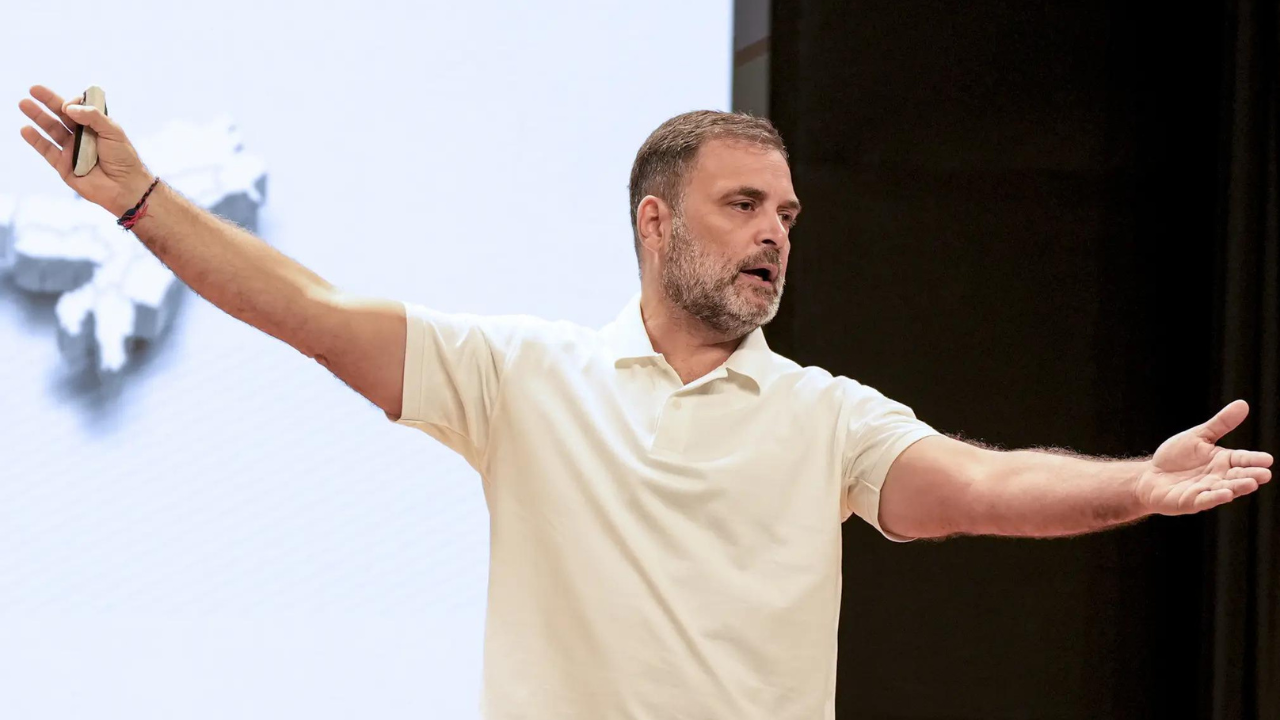
Chennai, August 4: Udhayanidhi Stalin, the Leader of the Opposition in the Tamil Nadu Assembly and a senior DMK leader, was arrested on Tuesday morning by police from Thanjavur East station. The arrest follows a complaint filed by a functionary of the ruling TVK party, accusing Mr. Stalin of making misogynist and indecent remarks during a public meeting in Thanjavur a day earlier.
The complainant alleged that Mr. Stalin used double entendre language that appeared to target an actress. Based on the complaint, police registered a case against the DMK leader under several provisions of the Bharatiya Nyaya Sanhita (BNS), including Sections 196 (promoting enmity), 192 (defamation), 352 (intentional insult), 79 (conducting public meetings causing disturbance), 296(b) (obscene acts), and 61 (criminal intimidation). Additionally, charges were filed under Section 4 of the Tamil Nadu Prohibition of Harassment of Women Act and Section 67 of the Information Technology Act, which deals with publishing obscene content online.
The arrest was executed at Mr. Stalin's residence in Neelangarai, Chennai, with assistance from the Greater Chennai Police. Tension mounted outside his house as a large number of DMK cadres gathered, engaging in heated arguments with police personnel. Senior DMK leader Ma. Subramanian and Mr. Stalin's wife, Krithika Udhayanidhi, were seen confronting the police team, questioning the timing and basis of the arrest. Visuals from the scene showed a heavy police presence and a charged atmosphere, though no violence was reported.
In a parallel development, a petition challenging the arrest and seeking legal relief for Mr. Stalin was filed before the Madras High Court. The petition is expected to be heard later in the day. Police officials indicated that Mr. Stalin would be taken to Thanjavur for further legal proceedings, unless the court grants interim relief.
This incident marks a significant escalation in the political rivalry between the DMK, led by former Chief Minister M.K. Stalin, and the ruling party, TVK, headed by actor-turned-politician Vijay. The remarks in question were made during a DMK youth wing meeting, where Udhayanidhi Stalin, who also serves as the party's youth wing leader, has been known to make sharp rhetorical comments against political opponents. However, the specific words used this time have drawn criticism not only from the ruling party but also from some civil society groups, who have called for greater accountability in political speech.
Legal experts note that Sections 196 and 352 of the BNS are often invoked in cases involving inflammatory or insulting language, but convictions require proof of intent and actual harm. The inclusion of the IT Act suggests that the remarks may have been widely circulated on social media platforms. The police have stated that they are investigating the complaint thoroughly and will follow due process.
The arrest has also raised questions about the use of criminal law in political disputes. While some legal observers argue that elected representatives must be held to high standards of public conduct, others caution against the misuse of penal provisions to suppress political speech. The Madras High Court's intervention will be closely watched, as it may set a precedent for how similar cases are handled in the future.
As the situation unfolds, both the DMK and TVK have called for peaceful protests and legal recourse. The DMK has alleged that the arrest is politically motivated, while the ruling party maintains that the law must take its course regardless of the accused's position. The case is likely to intensify the already heated political climate in Tamil Nadu, with both sides preparing for legal and public battles ahead.