Supreme Court upholds woman's acquittal 19 years after husband's murder, cites weak evidence
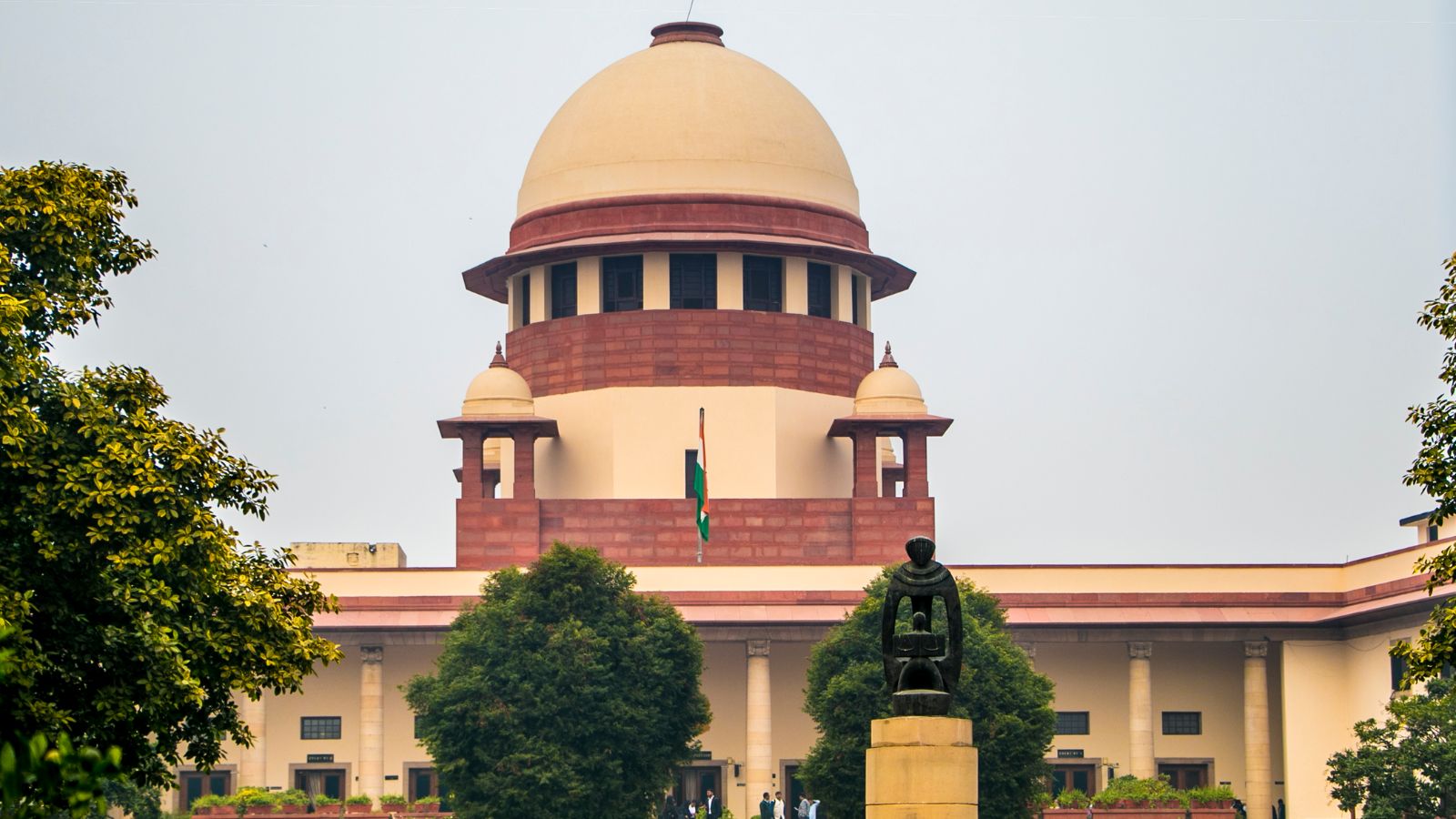
Nineteen years after a woman was accused of murdering her banker husband, the Supreme Court has upheld her acquittal, flagging significant gaps in the prosecution's circumstantial evidence. The bench of Justice Sanjay Karol and Justice Prasanna B Varale dismissed the Maharashtra government's appeals against a 2010 Bombay High Court order that acquitted Monika Kiran Suryawanshi and two co-accused of murder and criminal conspiracy.
The case dates back to February 2007, when Kiran Suryawanshi, an ICICI Bank employee, was found dead in Maharashtra's Deopur. The prosecution alleged that his wife Monika, along with neighbours Prakash Nagraj Patil and Dnyaneshwar Mahale, plotted his murder. According to the charges, Monika administered sedatives to Kiran, smashed his head with a grinding stone, and then wrapped his body in a plastic bag and bedsheet. Patil and Mahale were accused of attempting to dispose of the body on a motorcycle, but were stopped by a police constable, leading to the discovery.
The prosecution claimed an extramarital affair between Monika and Prakash as the motive. In 2008, a sessions court convicted all three and sentenced them to life imprisonment. However, the Bombay High Court acquitted them in 2010, finding the evidence insufficient. The Supreme Court affirmed this decision, noting that the chain of circumstances was broken and the hypothesis of guilt was not exclusive.
On the alleged affair, the Supreme Court observed that witness testimony suggested at best a one-sided infatuation by Prakash, not reciprocated by Monika. The court stated, "Mere production of telephone records does not substitute substantive proof of an illicit affair leading to murder." It added that call records showed no outgoing calls from Monika to Prakash on the night of the incident, contradicting the prosecution's narrative.
The court also highlighted forensic lapses. The grinding stone, allegedly the murder weapon, was not sealed at the time of seizure, undermining its evidentiary value. Crucially, no blood was detected on the mattress, bedsheet, or pillow where the prosecution claimed the victim was bludgeoned to death. The bench remarked, "This physical impossibility speaks volumes and entirely contradicts the prosecution's fundamental narrative."
While upholding the acquittal on murder charges, the court confirmed the conviction of Prakash and Mahale under Section 201 of the Indian Penal Code for causing disappearance of evidence, noting they were caught transporting the body. Both had already served the one-year sentence for that offence.







