Supreme Court Told: High Court Order on Ethanol Allocation Risks Derailing National Policy
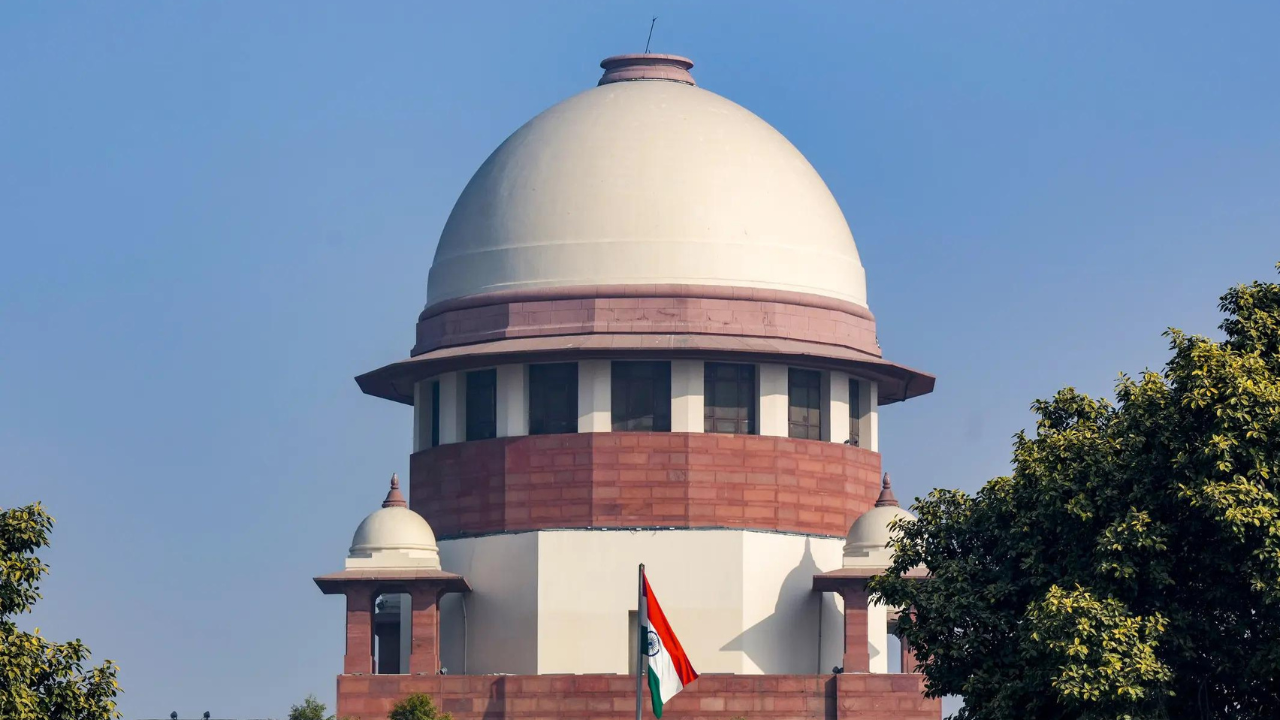
The Supreme Court of India was informed on Monday that a recent High Court order concerning ethanol allocation could severely disrupt the country's national biofuel policy. The submission was made by the central government, which argued that the order interferes with the planned ethanol blending programme aimed at reducing oil imports and promoting cleaner fuel.
The High Court order, passed by a bench in an undisclosed state, reportedly directed a specific allocation of ethanol from sugar mills to oil marketing companies, deviating from the central government's approved mechanism. The government's counsel contended that such judicial interference could upset the delicate balance of supply and pricing, potentially leading to shortages and legal uncertainty.
The national policy on ethanol, part of the broader National Biofuel Policy 2018, targets a 20% ethanol blending in petrol by 2025. The allocation of ethanol is typically managed through a centralised process to ensure fair pricing and distribution among states. The High Court's intervention, according to the government, could set a precedent that undermines this uniform approach.
The Supreme Court has listed the matter for further hearing next week, seeking responses from all parties involved. The case highlights the ongoing tension between state-level judicial orders and central policy frameworks, particularly in sectors critical to national energy security.
Legal experts note that while courts have the power to address local grievances, orders that conflict with central policies often lead to prolonged litigation. The outcome of this case could influence how ethanol allocation disputes are resolved in the future, impacting both sugar producers and fuel suppliers.







