Supreme Court Rebukes Centre, FSSAI: 'Court Cannot Be Taken for a Ride'
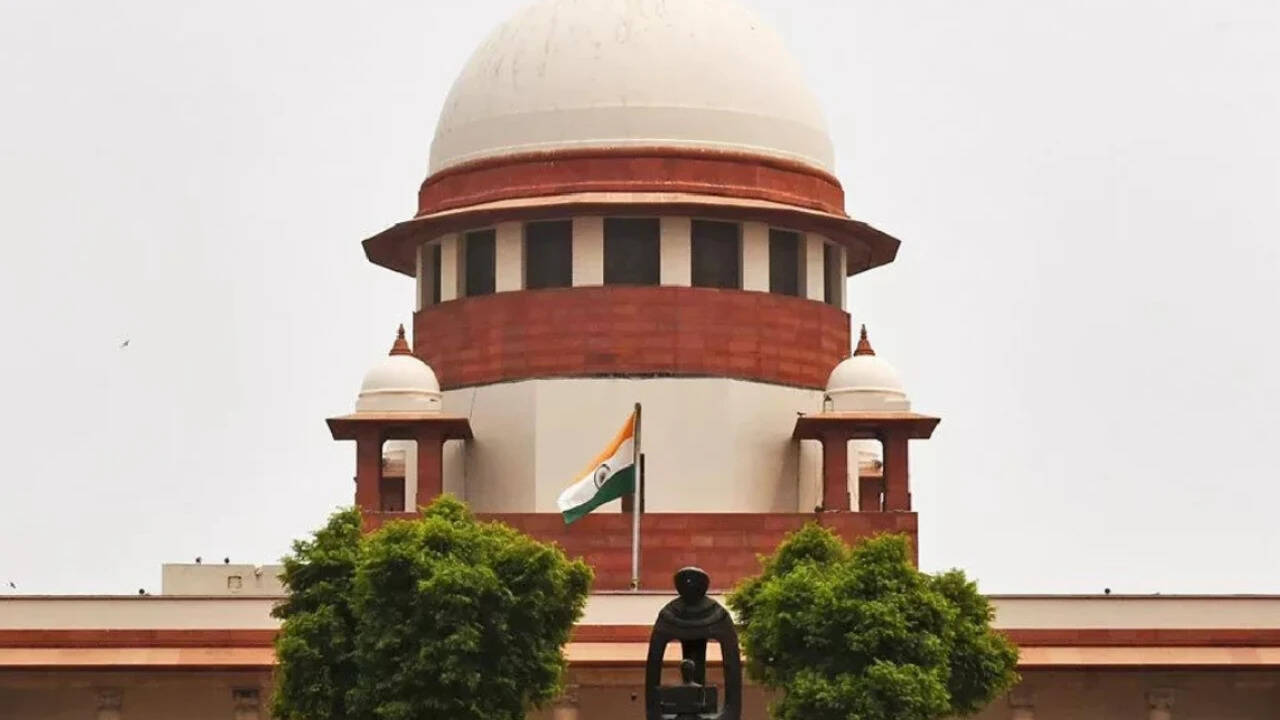
In a sharp reprimand, the Supreme Court of India on Tuesday pulled up the central government and the Food Safety and Standards Authority of India (FSSAI) for what it described as a lackadaisical approach to a matter concerning public health and food safety. The bench, while hearing a petition related to the enforcement of food safety standards, observed that the court cannot be taken for a ride and that executive agencies must act with due diligence.
The matter pertains to a plea alleging that despite earlier orders, the authorities had failed to take adequate steps to curb food adulteration and misleading labelling. The petitioner contended that the Food Safety and Standards Act, 2006, which established the FSSAI, has not been implemented effectively, leading to risks for consumers across the country.
During the hearing, the bench expressed strong displeasure over the replies filed by the Centre and the FSSAI, calling them evasive and inadequate. “You cannot take the court for a ride. We are not here to be treated casually. The public interest is at stake,” the judges said, adding that the authorities must demonstrate a seriousness befitting the gravity of the issue.
The court directed the respondents to file a comprehensive affidavit within four weeks, detailing the specific measures taken to implement the provisions of the Act. It also sought data on the number of inspections conducted, the functioning of laboratories, and the penalties imposed on violators. The bench made it clear that the affidavit must be factual and not merely a formality.
This judicial admonition comes at a time when concerns over food safety have been mounting in India. The FSSAI, as the country’s apex food regulator, is mandated to set scientific standards and ensure that food products sold in the market are safe for consumption. However, instances of adulteration, substandard quality, and misleading claims have repeatedly come to light, raising questions about the effectiveness of regulatory oversight.
Experts point out that while India has a comprehensive legal framework for food safety, enforcement remains a challenge. In many states, the number of food safety officers is inadequate, and laboratory infrastructure is often outdated. The Supreme Court’s intervention is seen as significant because it places the responsibility squarely on the executive and the regulator to demonstrate tangible outcomes.
The court’s observation also carries a broader message: constitutional authorities cannot treat judicial directives with indifference. When a citizen approaches the court seeking enforcement of legal rights, the state must respond with honesty and efficiency. Failure to do so not only undermines the rule of law but also erodes public trust in institutions.
In recent years, the Supreme Court has taken an active interest in matters of public health, ranging from air pollution to the availability of essential medicines. The present case reinforces the judiciary’s role as a guardian of fundamental rights, including the right to life under Article 21, which encompasses the right to safe food.
The bench has scheduled the next hearing after the affidavit is submitted. It warned that if the response fails to satisfy the court, it may consider issuing stricter direction. The FSSAI and the central government have not yet issued a public statement on the matter.
For ordinary citizens, the outcome of this case could have far-reaching implications. It may lead to stronger enforcement of food safety laws, better labelling standards, and more stringent action against those who compromise public health. The Supreme Court’s clear message that it cannot be taken for a ride is a reminder that the promise of safe food is not just a statutory requirement but a constitutional obligation.







