Supreme Court Takes Up Plight of Patients Unable To Afford Life-Saving Drugs
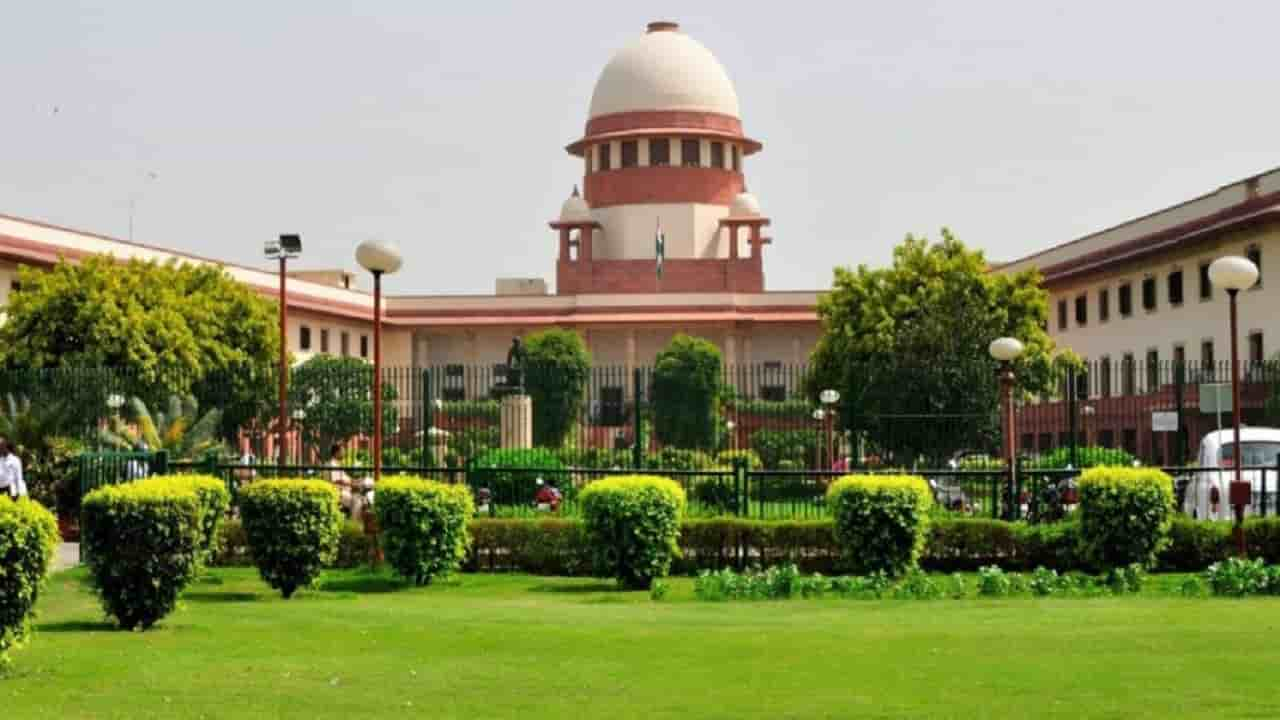
The Supreme Court of India has taken suo motu cognisance of the tragic death of a cancer patient who could not afford life-saving medication and the judicial delays that may have contributed to such outcomes. On Friday, a bench comprising Chief Justice Surya Kant and Justices Joymalya Bagchi and V Mohana initiated proceedings based on a representation sent by conveners of the Working Group on Access to Medicines and Treatment.
The case stems from a petition filed by a woman suffering from metastatic breast cancer in 2022 before the Kerala High Court. She sought a direction to the central government to exercise its powers under Section 100 of the Patents Act, 1970, to grant a Government Use License. Such a license would allow the manufacture of a generic version of the drug Ribociclib at an affordable price. The woman passed away before the High Court could deliver its verdict.
The Supreme Court bench expressed displeasure over the delay in the High Court proceedings, noting that the matter was listed multiple times between June and September 2022. The court also criticised the central government's refusal to invoke Section 100 on the ground that there was no 'national urgency' warranting such intervention.
While the Kerala High Court will decide the specific case, the Supreme Court will address the larger issue of exorbitant pricing of patented drugs for treating cancer and other life-threatening diseases. The bench has sought a response from the Union government on this matter.
Section 100 of the Patents Act empowers the central government to use a patented invention for governmental purposes in the public interest, including public health. The court noted that the inability of patients to afford essential medicines directly impacts the right to life guaranteed under Article 21 of the Constitution.
The Supreme Court's intervention highlights the urgent need to balance patent protection with access to affordable healthcare. The bench emphasised that judicial expediency is crucial in cases involving life-threatening conditions, where delays can have irreversible consequences.