Supreme Court Suggests Forensic Auditor for Ayodhya Temple Donation Probe
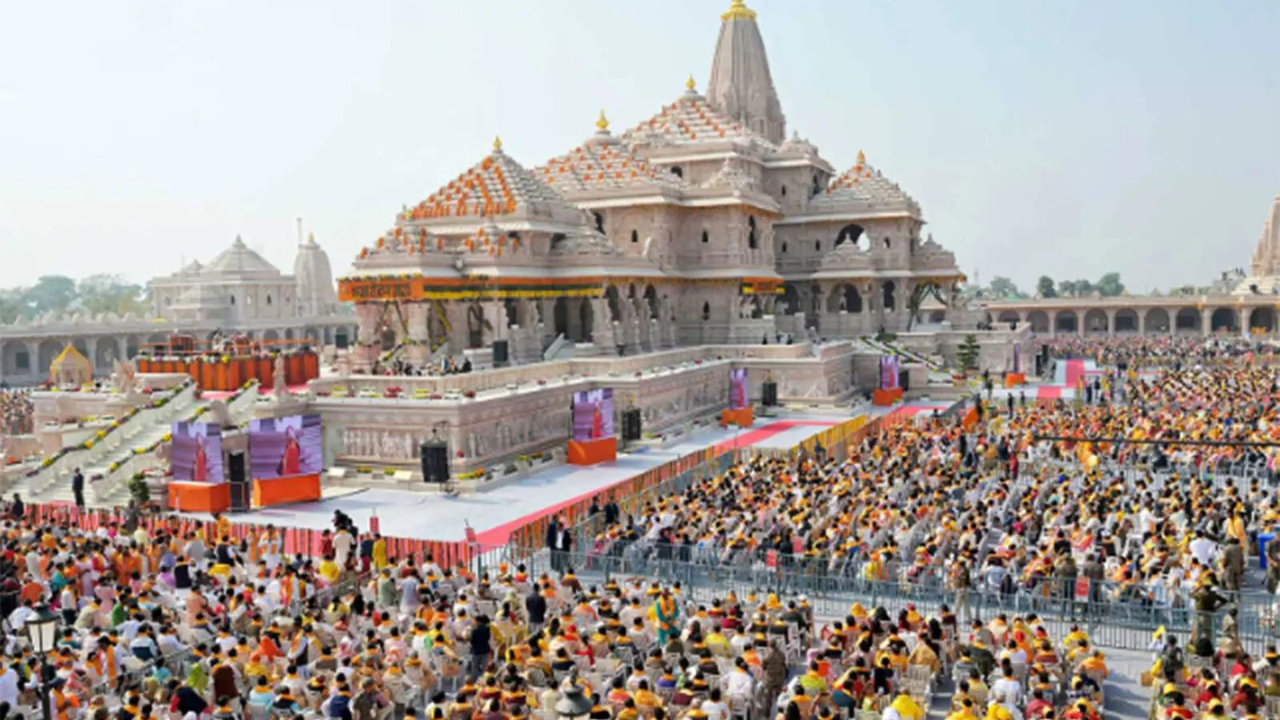
The Supreme Court has recommended the inclusion of a chartered accountant with expertise in forensic audit in the Special Investigation Team (SIT) probing alleged misappropriation of donations for the Ram Mandir in Ayodhya. The SIT was constituted on the court's July 20 order to investigate claims of fund mismanagement by the Shri Ram Janmabhoomi Teerth Kshetra Trust, which oversees the temple construction.
During a hearing on Monday, a bench comprising Chief Justice Surya Kant and Justices Joymalya Bagchi and V Mohana sought the Uttar Pradesh government's view on adding a forensic auditor to the three-member SIT headed by Inspector General of Police Kiran S. Solicitor General Tushar Mehta, representing the state government, assured the court without prior instructions: Such an expert will be drafted into the SIT.
The bench emphasised the need for an expeditious, fair and transparent investigation
into all allegations of fund misuse. The court also directed the SIT to submit a status report within two weeks.
During the proceedings, advocate Devadatt Kamat, appearing for a Public Interest Litigation (PIL) petitioner, suggested that the trust should upload all donation receipts on its website to allow devotees to verify whether their contributions were accounted for. He also requested that a retired Supreme Court judge supervise the SIT probe. The bench rejected this request, stating: When we are monitoring the probe being carried out by the SIT, there is no need of any supervision by a retired judge. The SIT will transparently investigate all aspects of allegations relating to siphoning of funds.
Solicitor General Mehta objected to the proposal for external supervision, asserting that the court itself is capable of monitoring the investigation. The bench had earlier warned petitioners against politicising the issue and assured that the probe would be fair, impartial, transparent, and expeditious. The court also instructed the SIT to approach the Supreme Court directly if it faced any hindrance during the investigation.