Supreme Court Seeks Centre's Response on Sibal's Plea Against Anti-Defection Law Loophole
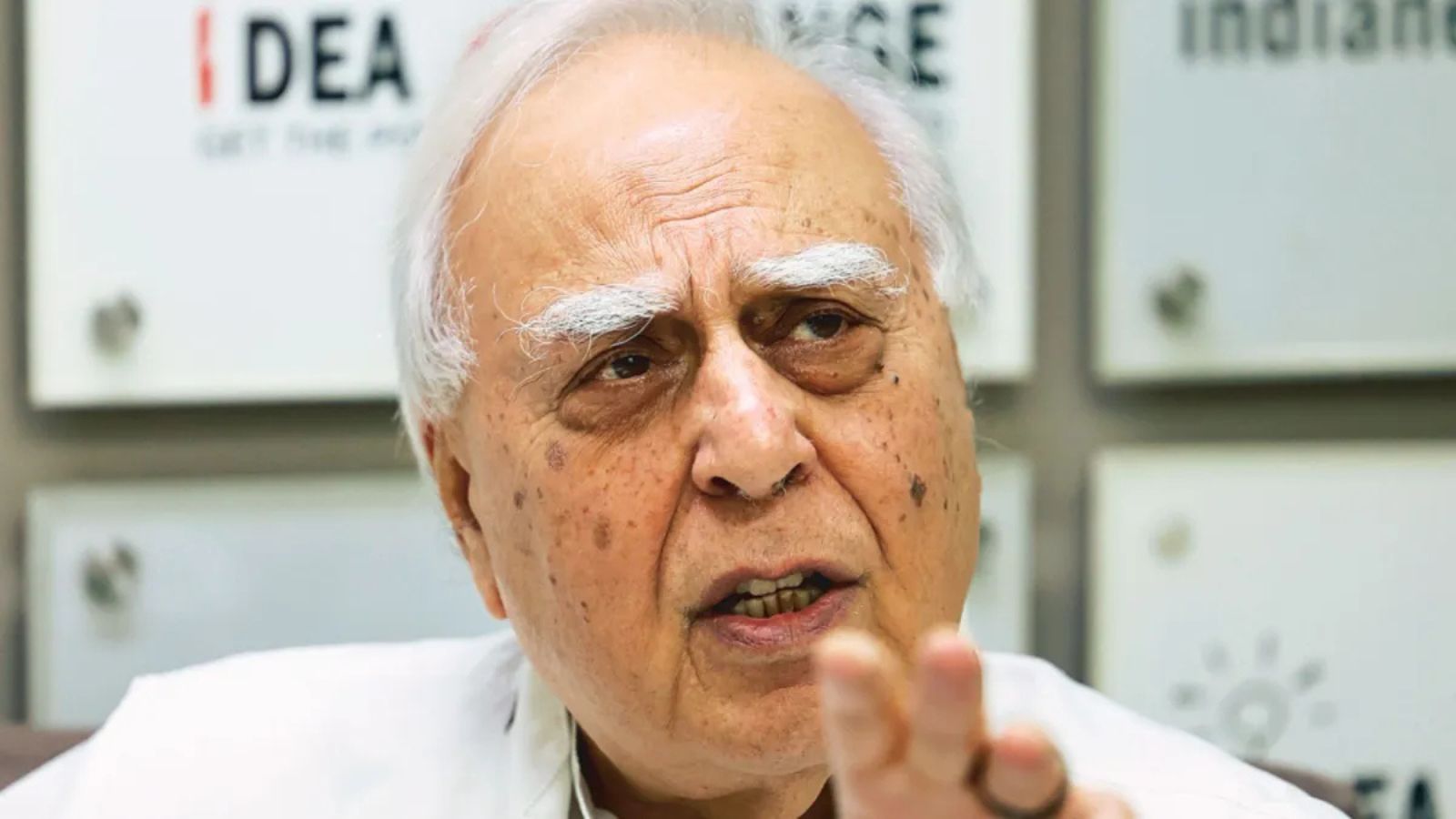
The Supreme Court on Monday sought the Union government's response to a plea filed by Senior Advocate Kapil Sibal, an independent Rajya Sabha member, challenging the interpretation of the Tenth Schedule of the Constitution. The provision, commonly known as the anti-defection law, currently allows lawmakers to avoid disqualification by claiming a merger with another political party.
A bench of Justices P S Narasimha and Alok Aradhe issued notice to the Centre, though it questioned whether the matter should be left to Parliament to address. The court's observation highlighted the delicate balance between judicial intervention and legislative prerogative.
Sibal's petition argues that the existing interpretation creates a loophole, enabling splinter groups to circumvent the anti-defection law by merging with other parties. He contended that this undermines democratic stability, as an electoral majority could be turned into a minority through strategic mergers.
The Tenth Schedule, added by the 52nd Amendment in 1985, was designed to curb political defections by disqualifying legislators who voluntarily give up party membership or vote against party directives. However, an exception exists for mergers, where two-thirds of a party's legislators join another party. Critics say this exception has been exploited to bypass the law.
Sibal, who represents the Rajya Sabha as an independent, emphasized the broader implications for the polity. The court's notice suggests it may examine whether the merger provision needs stricter interpretation to prevent abuse. The Centre's response will be crucial in shaping the next steps.
The case underscores ongoing debates about the effectiveness of the anti-defection law in preserving parliamentary democracy and the role of the judiciary in interpreting constitutional safeguards.