Supreme Court questions English as indigenous language, refuses to stall CBSE's three-language scheme
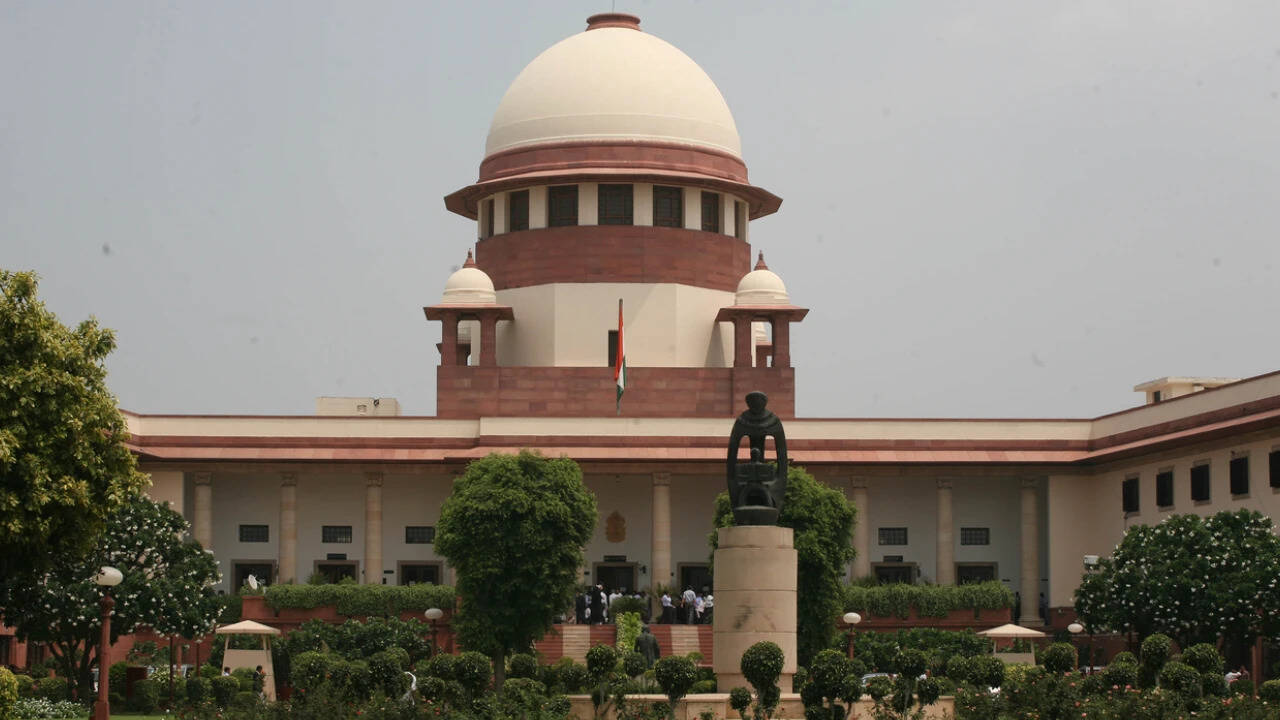
The Supreme Court of India on Friday raised a significant question about the status of the English language in the country, asking whether it can be considered 'indigenous' within the constitutional framework. The observation came during a hearing on a petition seeking to halt the implementation of the Central Board of Secondary Education's (CBSE) three-language scheme, which the Court refused to stay.
The three-language scheme, a part of the National Education Policy, mandates the study of three languages in schools, typically including Hindi, English, and a regional language. The policy aims to promote multilingualism and national integration, aligning with the constitutional directive to promote Hindi and regional languages while ensuring access to English for global communication.
The petitioners, including parents and teachers, argued that the scheme imposes an undue burden on students and schools, particularly in regions where Hindi is not the primary language. They cited challenges such as a shortage of qualified teachers, inadequate infrastructure, and limited availability of textbooks in multiple languages on the NCERT website. They contended that the scheme violates the right to education under Article 21A and the linguistic rights of minorities under Article 29 and 30 of the Constitution.
However, a bench led by Justice K.M. Joseph observed that English, as a colonial legacy, may not fit the description of an indigenous language. The Court noted that the issue requires a deeper examination to determine whether English can be considered part of India's linguistic heritage. It directed the Centre and the CBSE to file their responses within ten days, allowing the scheme to continue in the interim.
The ruling underscores the judiciary's role in balancing educational policy with constitutional principles. The three-language scheme has been a subject of debate for decades, with critics arguing that it imposes Hindi on non-Hindi-speaking states, while supporters view it as a means to foster national unity and preserve regional languages.
Legal experts say the case will likely set a precedent for language policy in education. The Court's query on the indigenous status of English reflects a broader constitutional discourse on linguistic identity and the place of colonial languages in modern India.
The next hearing is scheduled after the responses are filed. Meanwhile, the CBSE has been asked to clarify the implementation timeline and steps taken to address the logistical challenges raised by the petitioners.







