Study: Parked car cabin temperatures hit 64.9°C, warning of heat stress risks
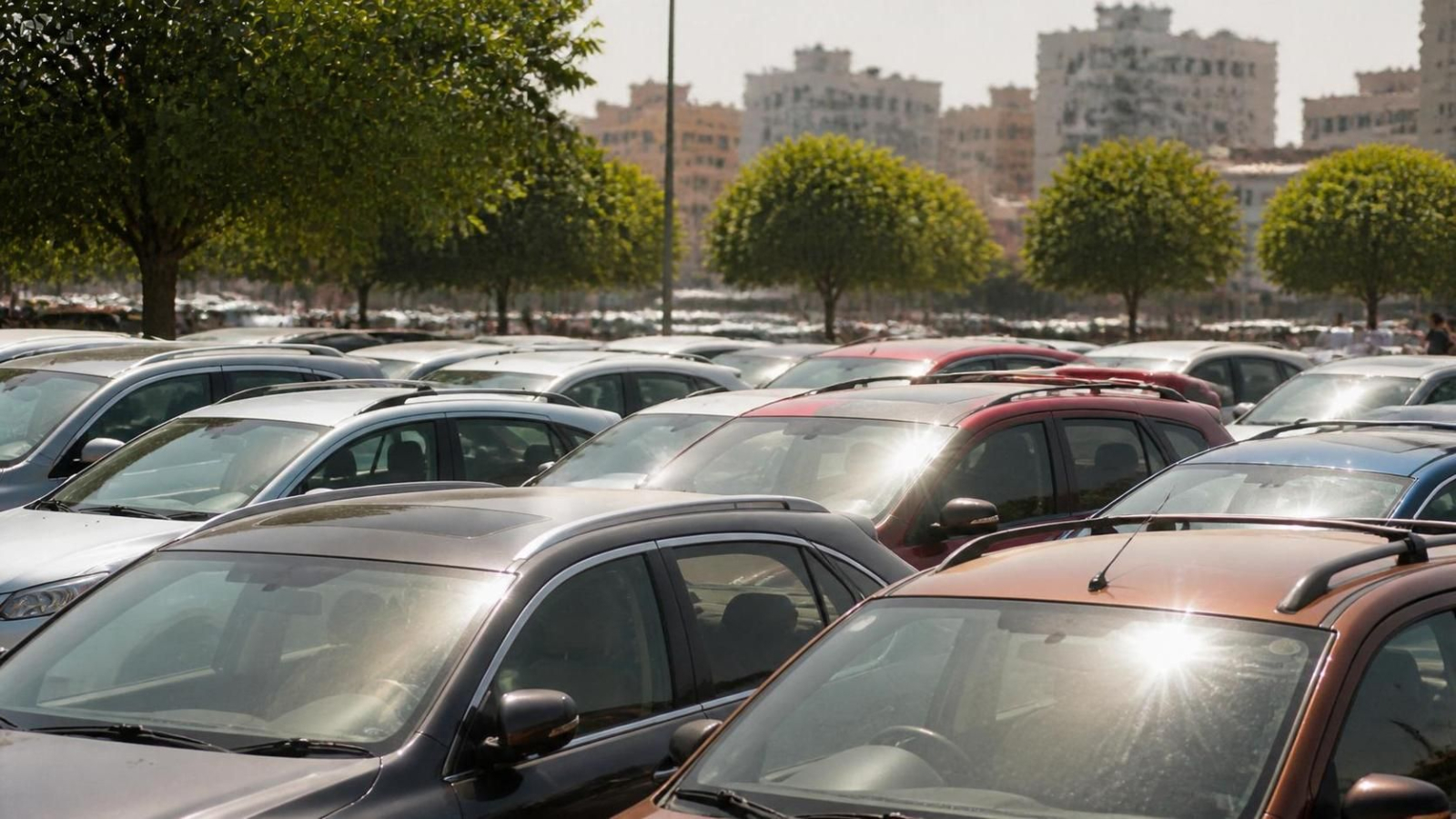
A new study by doctors from the Postgraduate Institute of Medical Education and Research (PGIMER) and a Panjab University professor has found that parked cars exposed to direct sunlight can become dangerous heat traps, with cabin temperatures reaching 64.9°C, posing serious health risks to occupants.
The research, published in the Journal of Environmental Management, involved real-time monitoring of thermal comfort and air quality inside three types of cars—sports utility vehicles (SUVs), hatchbacks, and sedans—parked during Chandigarh’s summer. Temperature, relative humidity, carbon dioxide, and carbon monoxide levels were measured inside completely closed vehicles.
Cabin temperatures ranged from 26.7°C to 64.9°C, while humidity varied from 8.3 per cent to 60.4 per cent. The study also found that a black sedan performed worse than other cars, consistently recording higher cabin temperatures than a white SUV and a hatchback. Researchers observed that temperatures were often higher in the evening than in the afternoon because vehicles continued to absorb heat throughout the day.
Using internationally accepted thermal comfort indices—predicted mean vote (PMV) and predicted percentage of dissatisfied (PPD)—the researchers concluded that every vehicle tested fell into the “hot” category, with 100 per cent predicted occupant dissatisfaction. Even people standing outside in summer heat experienced poor thermal comfort, but conditions worsened significantly immediately after entering a parked vehicle.
Dr Ravindra Khaiwal from PGIMER said, “Extreme heat inside parked vehicles is an emerging but under-recognised public health risk. Climate-resilient policies, heat-warning technologies in vehicles, improved car design, and better urban planning are essential to prevent heat-related illnesses and save lives in a warming world.”
The study warned that exposure to such extreme cabin temperatures can trigger heat stress, heat exhaustion, heat stroke, blood pressure fluctuations, and reduced concentration, increasing the risk of accidents. It also cautioned against immediately switching on the air-conditioner after entering an overheated vehicle, saying sudden exposure to cold air after intense heat may also adversely affect health.
Besides heat, researchers monitored in-cabin air quality. Carbon monoxide concentrations in some cases exceeded the most stringent indoor air quality limits, although carbon dioxide levels remained within permissible limits. The study noted that heat stress and air pollution together can amplify health risks for occupants.
As part of nature-based solutions, researchers suggested promoting tree-lined roads, shaded parking lots and green parking infrastructure. They also called for thermal comfort standards in vehicle design and AI-based warning systems.