Strait of Hormuz Reopens After US-Iran Pact, but Oil Losses Reach 1.15 Billion Barrels
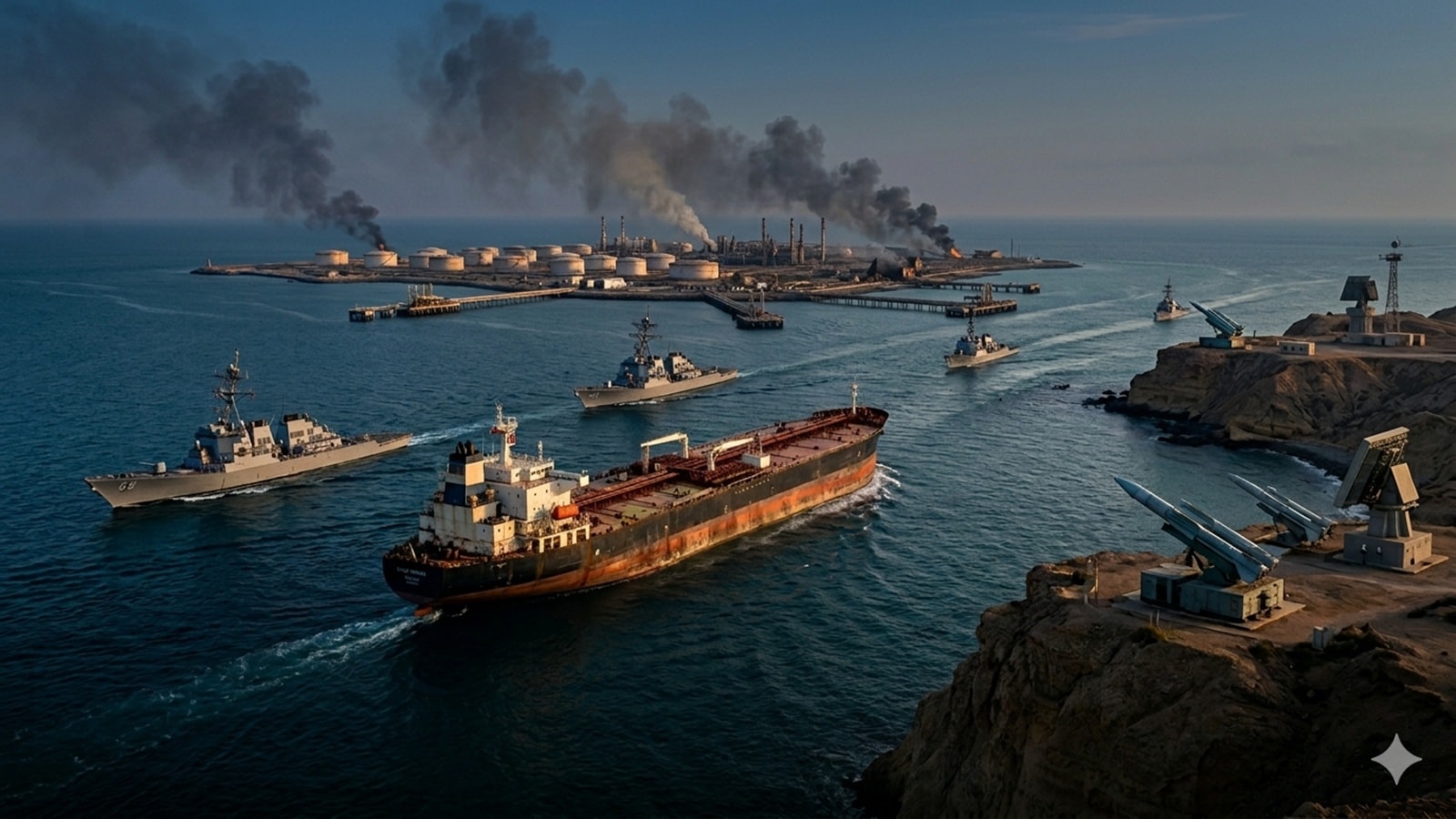
The Strait of Hormuz, the world's most critical oil chokepoint, has reopened following the signing of a Memorandum of Understanding between the United States and Iran on June 17, mediated by Pakistan. However, the global oil market faces significant challenges as supply disruptions during the preceding conflict have left reserves at multi-decade lows.
According to a report by CNN citing analytics firm Kpler, the world lost approximately 1.15 billion barrels of oil supply during the 3.5-month US-Israeli military campaign against Iran. This loss has left the global oil market in a precarious state and rapidly approaching a breaking point, the report states.
OECD strategic petroleum reserves, coordinated through the International Energy Agency, are now at their lowest levels since 1990. The US Strategic Petroleum Reserve has hit a 43-year low, compounding concerns about supply adequacy. Despite the reopening, analysts suggest that closing the supply gap could take months, and the impact on prices may not be immediate.
Following the MoU signing, Brent crude prices fell below $80 per barrel. Goldman Sachs has revised its fourth-quarter 2026 forecast downward to $80 from $90 per barrel. Morgan Stanley estimates that 50% of Iranian production will return by September and 80% by December 2026, which could gradually ease supply constraints.
The Strait of Hormuz, located between Oman and Iran, sees about one-fifth of the world's oil transit daily. Its closure during the conflict had disrupted global supply chains and contributed to price volatility. While the reopening is a positive step, the lingering effects of the supply loss are expected to persist for some time.