Sonam Wangchuk's Mediation Offers Path to Resolve Student Protests
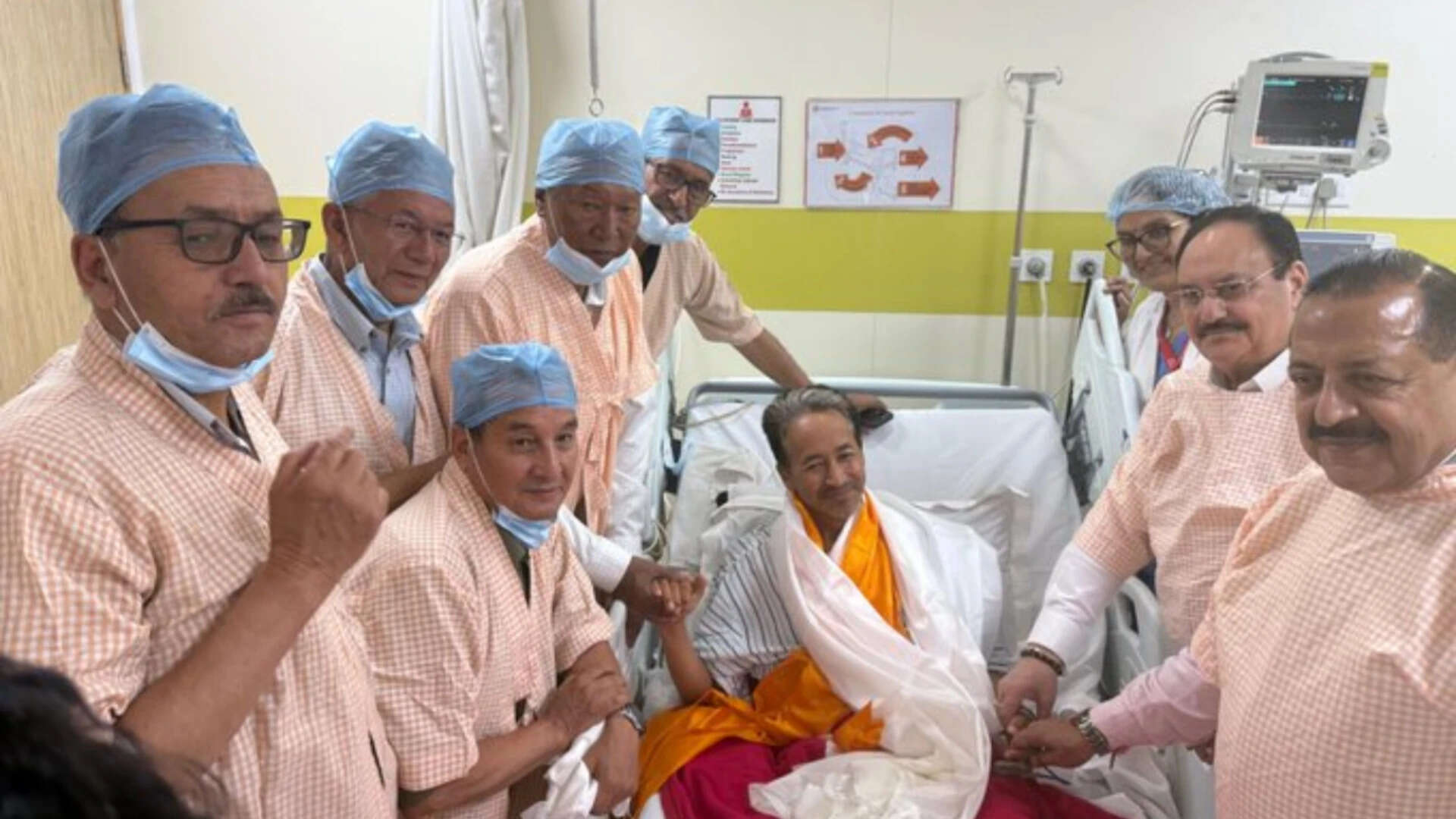
In a significant development, climate activist and education reform advocate Sonam Wangchuk has reportedly brokered a potential breakthrough in ongoing student protests that have been challenging the government. The protests, which have drawn thousands of students from various universities across the country, are centered around demands for better educational policies, job reservations, and addressing regional disparities.
Wangchuk, known for his leadership in the 2019 'Himalayan Yatra' demanding constitutional safeguards for Ladakh, has now stepped into the role of mediator. Sources indicate that his dialogue with both student leaders and government representatives has led to a framework that could address key grievances while maintaining constitutional norms.
The proposed framework reportedly includes provisions for increased budgetary allocation for higher education in underserved regions, a review of reservation policies, and a commitment to implement the recommendations of the National Education Policy 2020 in a time-bound manner. Both sides have expressed cautious optimism.
A student leader, speaking on condition of anonymity, said, 'We are hopeful that Mr. Wangchuk's intervention will lead to concrete steps. The government has shown willingness to listen, but we need firm assurances.'
Government officials have acknowledged the role of Wangchuk as a constructive interlocutor. 'His understanding of grassroots issues and his non-partisan approach have created room for dialogue,' said a senior official in the Ministry of Home Affairs.
The protests, which began as a series of peaceful demonstrations, have seen sporadic incidents of tension. The government had earlier invoked certain legal provisions to maintain order, drawing criticism from civil liberties groups. The breakthrough is seen as a move to de-escalate the situation through democratic means.
Constitutional experts have praised the development as a vindication of the democratic process. 'This shows that within the framework of the Constitution, dialogue and negotiation can resolve even complex issues,' said Professor Alok Tripathi, a constitutional law expert.
However, challenges remain. Some hardline factions within the student movement have expressed skepticism about any agreement that does not fully meet their demands. Similarly, there are voices within the government cautioning against any move that could be seen as ceding ground to protesters.
Wangchuk, in a brief statement, urged patience and continued dialogue. 'The path to justice is not always straight. But if we walk together, we will reach a solution that respects our constitution and the aspirations of our youth,' he said.
The coming days will be crucial as both sides work on a formal agreement. The government has assured that any resolution will be within the bounds of the law and the Constitution of India.