Birla Says Any Fresh Impeachment Motion Against CEC Gyanesh Kumar Will Be Examined as Per Rules
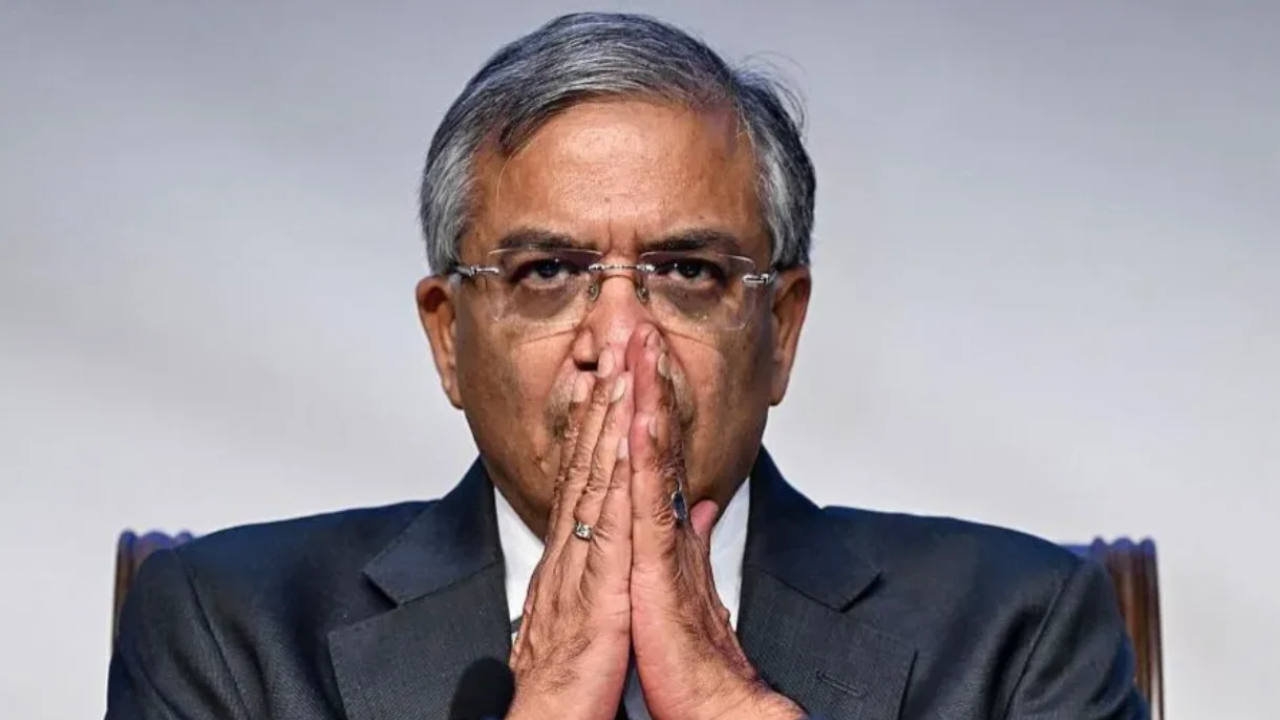
Lok Sabha Speaker Om Birla has said that if the Opposition brings a fresh impeachment motion against the Chief Election Commissioner, Gyanesh Kumar, it will be examined in accordance with the applicable rules and procedures. His remarks, made in the House on Thursday, indicate that the Speaker's office will follow the established process rather than comment on the political merits of any such move.
The statement comes amid an ongoing confrontation between the Opposition and the government over the conduct of the Election Commission of India. Opposition parties had earlier sought to initiate proceedings for the removal of the Chief Election Commissioner, and the reference to a "fresh" motion suggests that a revised or new notice may be in preparation. The Speaker did not indicate a timeline, nor did he say whether any notice had already been received.
Under Article 324(5) of the Constitution, the Chief Election Commissioner can be removed from office only in the manner and on the same grounds as a judge of the Supreme Court. A judge may be removed for proved misbehaviour or incapacity, following an address adopted by both Houses of Parliament in the same session. Such an address must be supported by a majority of the total membership of each House and by a majority of not less than two-thirds of the members present and voting. The President then passes the final order for removal.
In practice, the procedure has been modelled on the Judges (Inquiry) Act, 1968. A motion for removal must first be admitted by the presiding officer of the House in which it is moved. If admitted, a three-member committee is constituted to investigate the charges. That committee is chaired by a judge of the Supreme Court and includes the Chief Justice of a High Court and a distinguished jurist. The process has been completed only once in India's parliamentary history, against a Supreme Court judge, and no such motion has ever reached its conclusion against a Chief Election Commissioner.
The Election Commission of India conducts elections to the Lok Sabha, State Legislative Assemblies, and the offices of the President and Vice-President. It also registers political parties and supervises the model code of conduct during elections. Because of the scale of its responsibilities, the independence of the Commission and of its head has long been a subject of debate across party lines.
The Bharatiya Janata Party-led government has previously defended the functioning of the Election Commission. Opposition parties have raised questions about the Commission's decisions and about the process by which Election Commissioners are appointed. The appointment process was changed by a law enacted in 2023, which has itself been challenged in the Supreme Court.
Any fresh motion would require the Speaker to first decide whether it meets the procedural threshold for admission. Legal experts note that the bar set by the Constitution is deliberately high, so that the office of the Chief Election Commissioner is insulated from ordinary political pressure. The Speaker's reply does not signal any conclusion about the substance of an Opposition motion; it simply affirms that the rules of the House and of the Constitution would govern how it is handled.
For now, the matter rests on whether a notice is formally moved and whether it is admitted. If it is, the country would be looking at a process that is rare, lengthy, and closely watched — one that will test both the letter of the Constitution and the capacity of Parliament's two Houses to act on it.


