Sonam Wangchuk Hospitalised: Dehydration and Low Potassium, Family Seeks Transparency
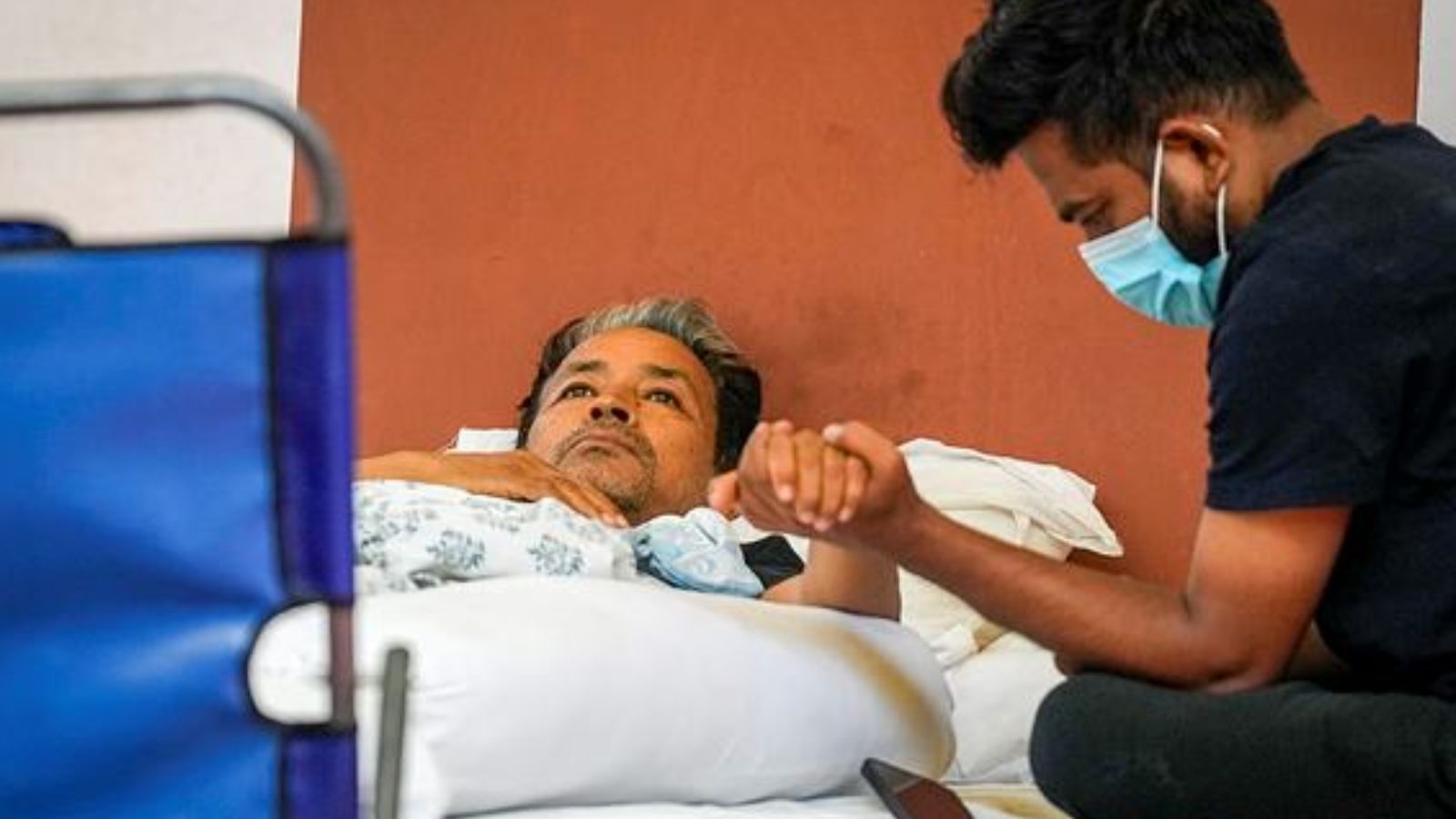
Activist Sonam Wangchuk, who has been on an indefinite hunger strike for 21 days, was shifted to Safdarjung Hospital in Delhi on Saturday following a Delhi High Court order. The hospital has confirmed that he is stable and receiving necessary medical intervention, but his family has raised concerns over the transparency of his treatment.
According to the latest health update at 8:30 am, Wangchuk's vital parameters are stable, but his blood parameters remain marginally altered due to prolonged fasting. Dr Charu Bamba, Medical Superintendent at Safdarjung Hospital, stated that Wangchuk was dehydrated and had refused oral and intravenous fluid therapy despite repeated counselling by doctors.
Wangchuk’s wife, Gitanjali J Angmo, expressed apprehension about the hospital's handling of his care. She said that his potassium level had dropped to 2.9 from 4.3 the previous day, and that the hospital had not allowed her to obtain a second opinion or receive a blood sample in her presence. She requested immediate discharge to move to a hospital of their choice.
In response, the hospital confirmed that an AIIMS doctor has joined the treating team to ensure continuous monitoring and clinical management. The hospital noted that the family had not yet consented to the recommended medical intervention.
Separately, Abhijeet Dipke, founder of the Cockroach Janata Party (CJP), announced an indefinite hunger strike in solidarity with Wangchuk, ignoring police directions to vacate the protest site. The CJP, which has been demonstrating for 29 days, is demanding the removal of Union Education Minister Dharmendra Pradhan and has called for a march to Parliament on July 20.
Dr Suranjit Chatterjee, Senior Consultant in Internal Medicine at Indraprastha Apollo Hospitals, commented that Wangchuk's condition, described as 'compensated metabolic acidosis', indicates that his body is affected by dehydration. He stressed the need for intravenous fluids and nutritional support to prevent critical deterioration.
The situation highlights the complex interplay between medical ethics, patient autonomy, and the legal framework governing hunger strikes. The Delhi Police acted on the High Court's directive to ensure Wangchuk receives essential care, while his family continues to seek greater transparency in his medical treatment.