Skyroot's Vikram-1 Set to Launch: A Milestone for India's Private Space Industry
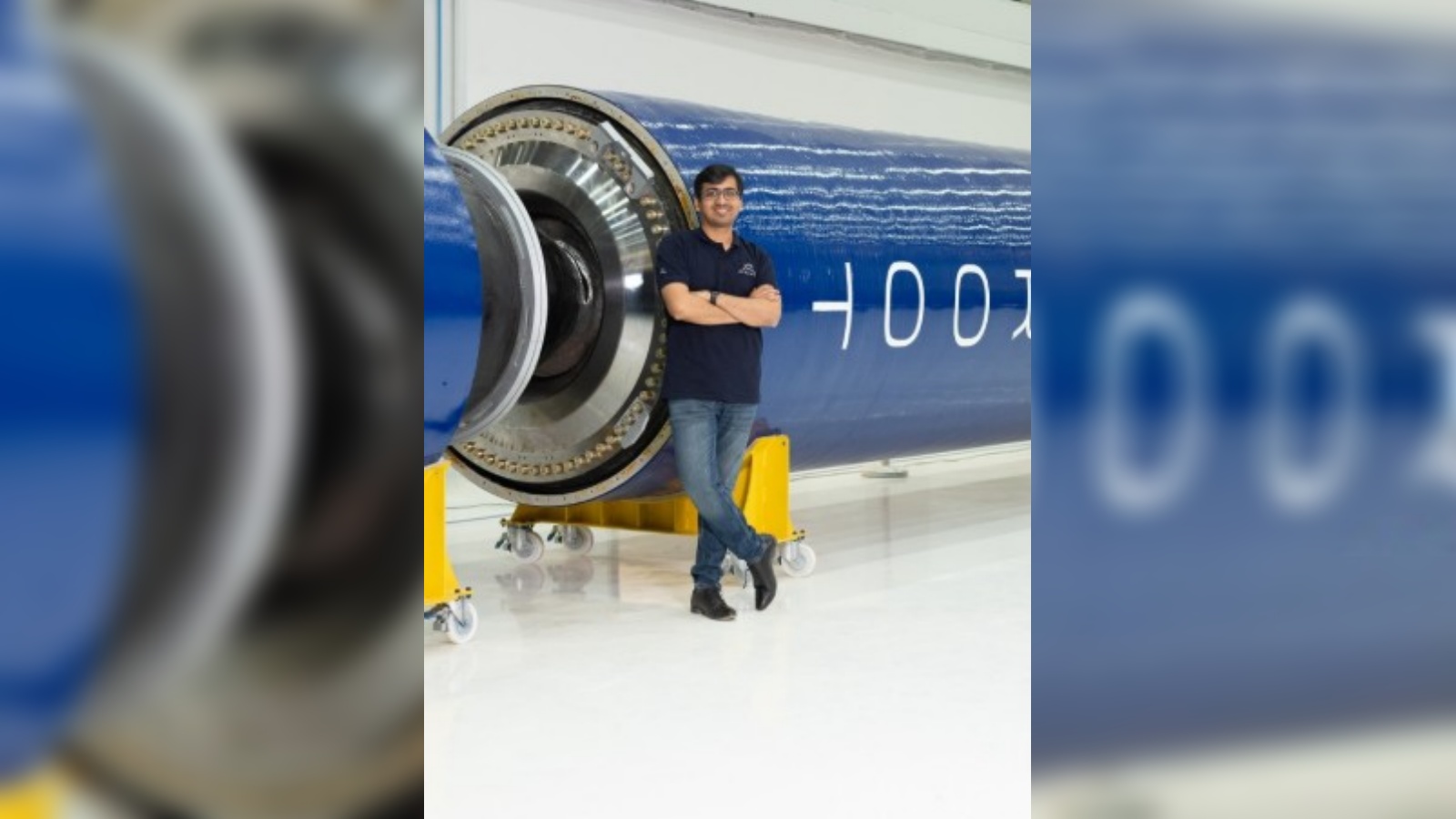
India’s aerospace industry is becoming more welcoming to private players, with the Indian Space Research Organisation (ISRO) and private companies developing a relationship similar to that between NASA and SpaceX in the United States, said Pawan Kumar Chandana, co-founder of Skyroot Aerospace, in an interview.
On June 2, Skyroot announced that it will launch its orbital-class rocket, Vikram-1, within a window from July 12 to August 4. Skyroot is a private space launch company that in 2022 launched India’s first private satellite, Vikram-S, from ISRO’s facilities.
Vikram-1 is designed to deploy small satellites weighing up to 350 kg to low Earth orbit. Built with an all-carbon composite structure and powered by solid and liquid propulsion systems—including 3D-printed engines developed by Skyroot—the company says the rocket will be ready for a successful flight.
“At Skyroot, we already launched Vikram-S from ISRO’s launch pad. That was a suborbital launch. Now we are getting ready for India’s first private orbital launch. It is the first test flight,” Chandana said. He also noted that the government has released an expression of interest regarding the Small Satellite Launch Vehicle (SSLV), Polar Satellite Launch Vehicle (PSLV), and Launch Vehicle Mark-3 (LVM-3), allowing private companies to operate ISRO’s vehicles. “We will see more and more of this kind of collaboration in India,” he added.
India’s space economy is expected to grow from around $8.4 billion currently to $44 billion by 2033, according to industry estimates. Skyroot believes that indigenous launch capability will be a critical enabler of this growth, unlocking opportunities for the country’s rapidly expanding private space ecosystem.
The test flight of Vikram-1 is important because the ability to reach orbit reliably and frequently is a strategic capability that only a handful of nations possess. Currently, access to space remains a major bottleneck, with satellite operators often waiting months or even years for a launch opportunity.
“ISRO has been amazingly supportive. Their support has been excellent,” Chandana said. He suggested that ISRO could involve private startups as development partners in its missions of national importance, such as space stations, new satellites, or new rockets. “We would like to be a more integral part of ISRO’s developments, making the ecosystem more sustainable, so that startups would have revenue opportunities and ISRO would benefit from the startups’ feed and energy,” he explained.
The first flight will capture real in-flight performance data from every system on Vikram-1, helping the makers understand how the vehicle performs from lift-off through every phase of ascent. “This data cannot be fully replicated through ground testing,” Chandana noted.
He added, “It is the first time in India that a private company has designed and developed a rocket meant to launch a satellite to space. This was enabled by the recent set of reforms by the government of India which opened up the sector to private players. Our completely designed, developed, and manufactured rocket is going to take off from Indian soil. The rocket will have the capability to launch satellites to orbit. In the entire world, there are only a few companies with this capability. So it is a venture with a lot of business potential and also strategic importance for the country because we have the capability to launch more of our satellites to space.”
Skyroot sees potential in the market, as globally only two players—SpaceX and Rocket Lab—are regularly launching to space. A few other companies, mostly from the US and a couple from China, have started launches. Chandana said this development will inspire other startups to enter the sector.







