Several universities replace 'India' with 'Bharat' in degrees and documents
Several state and central universities across India have decided to replace the word 'India' with 'Bharat' in their degrees, marksheets, official correspondence, invites, and signboards. The move has been endorsed by the Shiksha Sanskriti Utthan Nyas, an organisation with close links to the Rashtriya Swayamsevak Sangh (RSS).
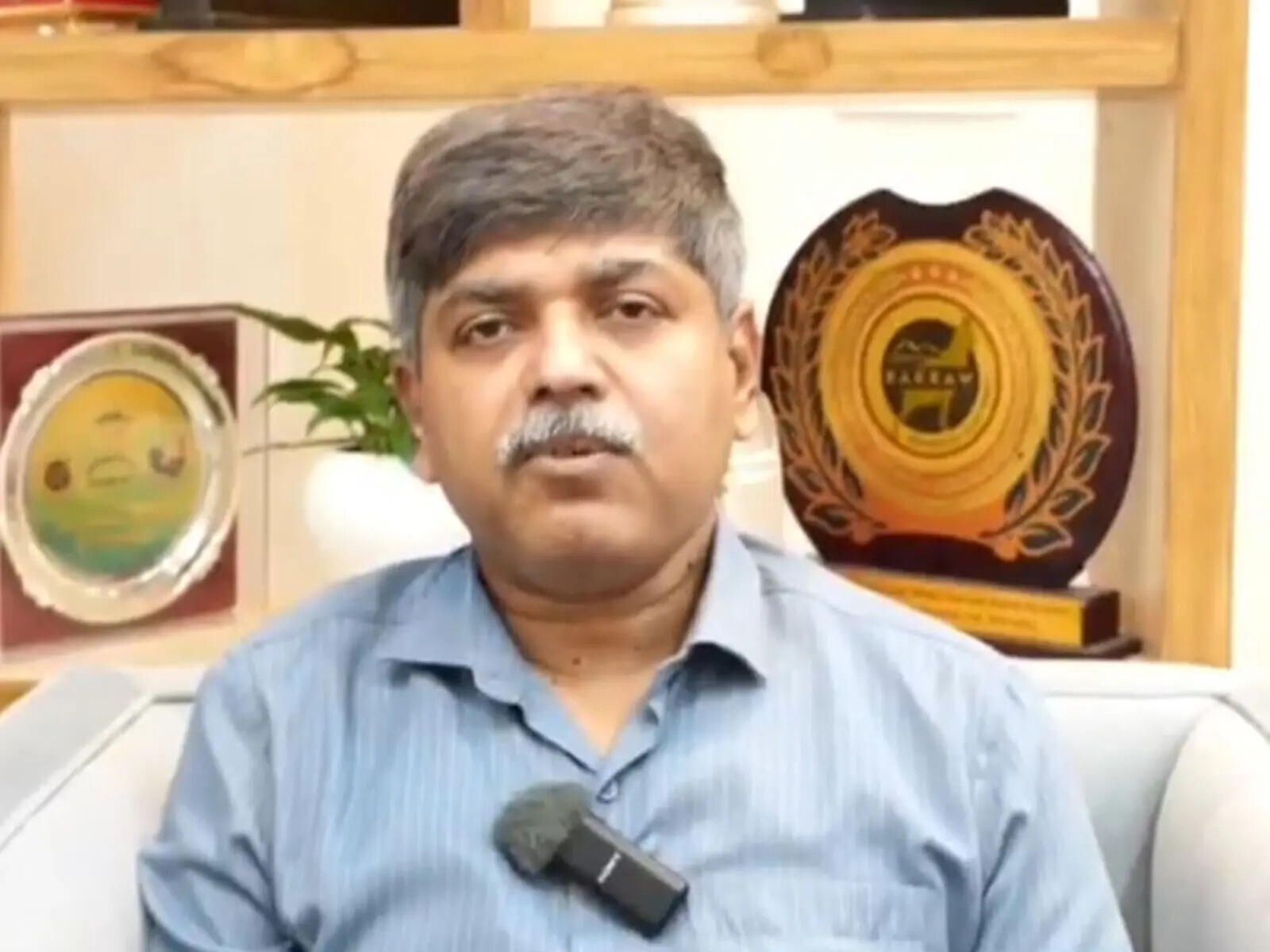
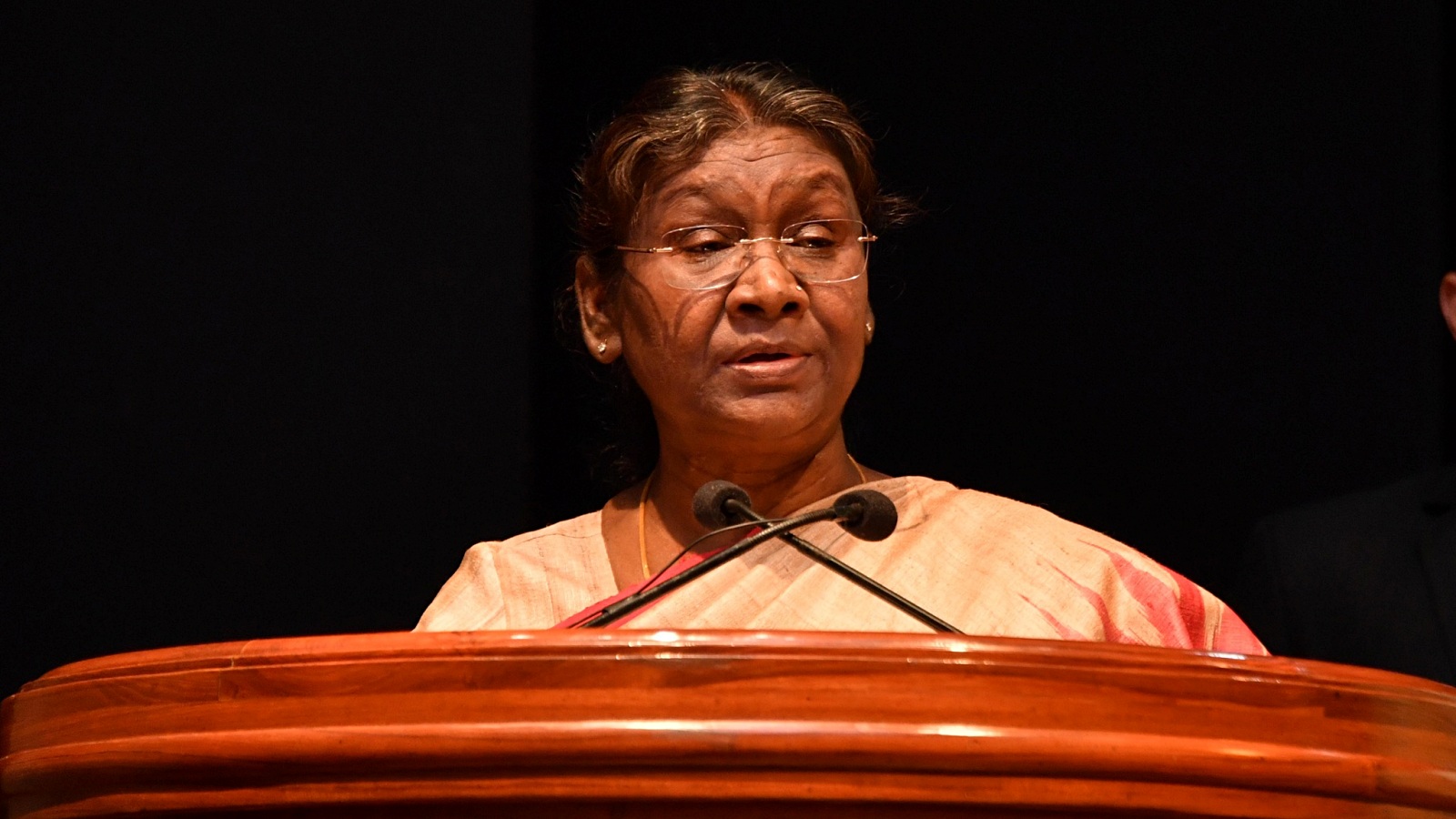
On Sunday, President Droupadi Murmu is expected to attend a convocation at Rani Durgavati University in Jabalpur, Madhya Pradesh, where all degrees to be awarded will feature 'Bharat' instead of 'India'. The university's Vice-Chancellor, Rajesh Kumar Verma, told The Indian Express that the decision was taken by the Executive Council. He said, 'In the G20 summit, the word Bharat was used. We are people of Bharat and the real name of the country is Bharat. The name India came later.'
Another Madhya Pradesh university, Devi Ahilya Vishwavidyalaya in Indore, claims to have been the first in the state to adopt the change. Its Vice-Chancellor, Rakesh Singhai, stated, 'We were the first one to pass such a resolution, and have already replaced India with Bharat in writing everywhere.'
In Chhattisgarh, the central university Guru Ghasidas Vishwavidyalaya in Bilaspur has also decided to replace 'India' with 'Bharat' on its documents. Vice-Chancellor Alok Kumar Chakrawal explained, 'The real name of the country is Bharat. It is foreigners who named it India. It is the belief of all intelligent people and intellectuals that we should call it Bharat.' He added that once the existing stock of marksheets and degrees is exhausted, new ones will bear 'Bharat'.
The Shiksha Sanskriti Utthan Nyas has been actively campaigning for this change. M L Gupta, a member of its central executive committee, argued that a country should not have two names, and that 'India' was a term used derogatorily by the British. He cited the use of 'Bharat' during the G20 summit as a sign of changing attitudes. Gupta has also authored a book titled 'India Nahin Bharat', asserting that the name 'India' is not found in history before European arrival.
The Constitution of India, in Article 1, states: 'India, that is Bharat, shall be a Union of States.' The recent moves by universities reflect a growing sentiment to prioritise the name 'Bharat' in official usage. However, the decisions are not mandated by any central or state government directive, but are voluntary resolutions by individual universities.
The development has sparked debate about national identity and the historical origins of the country's names. While proponents see it as a reclamation of indigenous heritage, critics argue that both names are constitutionally recognised and that changing nomenclature in official documents may create confusion. Nonetheless, the trend appears to be gaining momentum in several states.