SC sets Sept 2 deadline for states to decide on raising trial judges' retirement age to 62
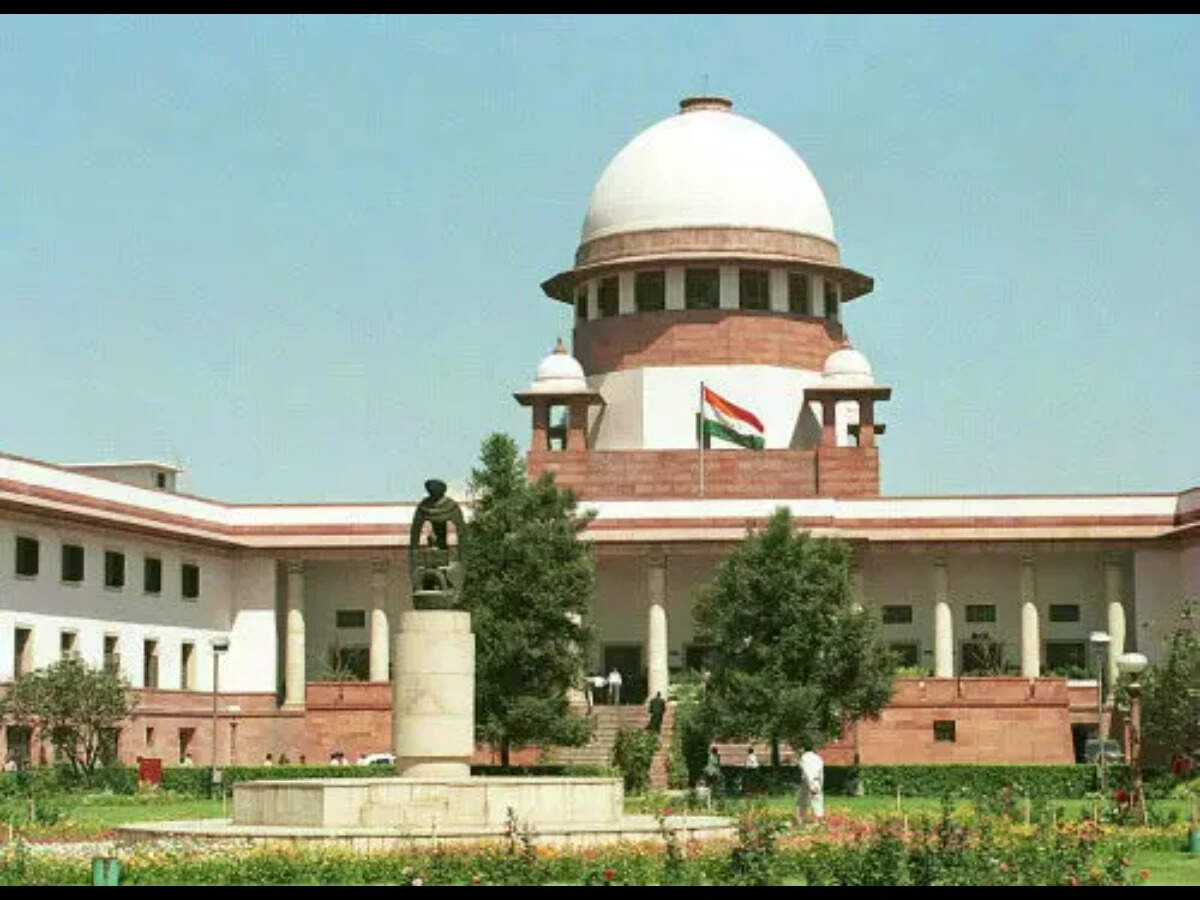
The Supreme Court on Wednesday asked state governments to decide by September 2 on increasing the superannuation age of trial court judges from 60 to 62 years. The move is aimed at bringing the retirement age of judicial officers at par with that of High Court judges.
A bench comprising Chief Justice Surya Kant and Justices Joymalya Bagchi and V Mohana said that instead of a judicial ruling, it would be preferable for states to take an administrative decision on the issue. The court also requested high courts to pass full-court resolutions supporting the increase, which would strengthen the hands of state governments.
The issue stems from the need to retain experienced judicial officers in the subordinate judiciary, which handles a large volume of cases across the country. In the early 1990s, the Supreme Court had raised the retirement age of judicial officers from 58 to 60 years through a judgment. Since then, the strength of trial court judges has doubled from about 10,000 to over 20,000, while the number of High Court judges has grown from 568 in 1992 to 1,114 now.
Some states have already increased the retirement age to 61 years for judicial officers, similar to benefits given to government employees. However, several states opposed a uniform increase to 62, citing financial constraints and the possibility of discontent among government employees, who might demand identical benefits.
Rejecting these objections, the bench observed that retaining experienced judicial officers is financially beneficial for the state. When a judge retires, the government pays a lump-sum gratuity and a pension that is more than half of the last drawn salary. Filling the vacancy involves paying a salary to a new appointee, who would require time and training to reach the same level of expertise.
The court also dismissed the argument of parity with government employees. “Judicial officers are appointed by the government under a constitutional scheme and hence form a class separate from that of government employees,” the bench said. It added that both reasons given by states were untenable.
The bench directed advocates general of states to persuade their respective governments to revisit the issue. It said the retirement age of judicial officers should be enhanced irrespective of the current retirement age of government employees. The court expressed the view that the issue can be resolved amicably through administrative decisions by states.
The Supreme Court requested high courts to pass appropriate full-court resolutions in favour of increasing the age of superannuation of judicial officers from 60 to 62 years. The resolution would provide support to state governments in taking a favourable decision.
The deadline of September 2 has been set for states to respond. This development is part of ongoing efforts to address the shortage of experienced judges in the subordinate judiciary and reduce pendency of cases. An increase in retirement age is expected to help in improving the quality of justice delivery by retaining seasoned judicial officers.