Sam Altman Says AI Should Stay Open to All, Despite the Risks
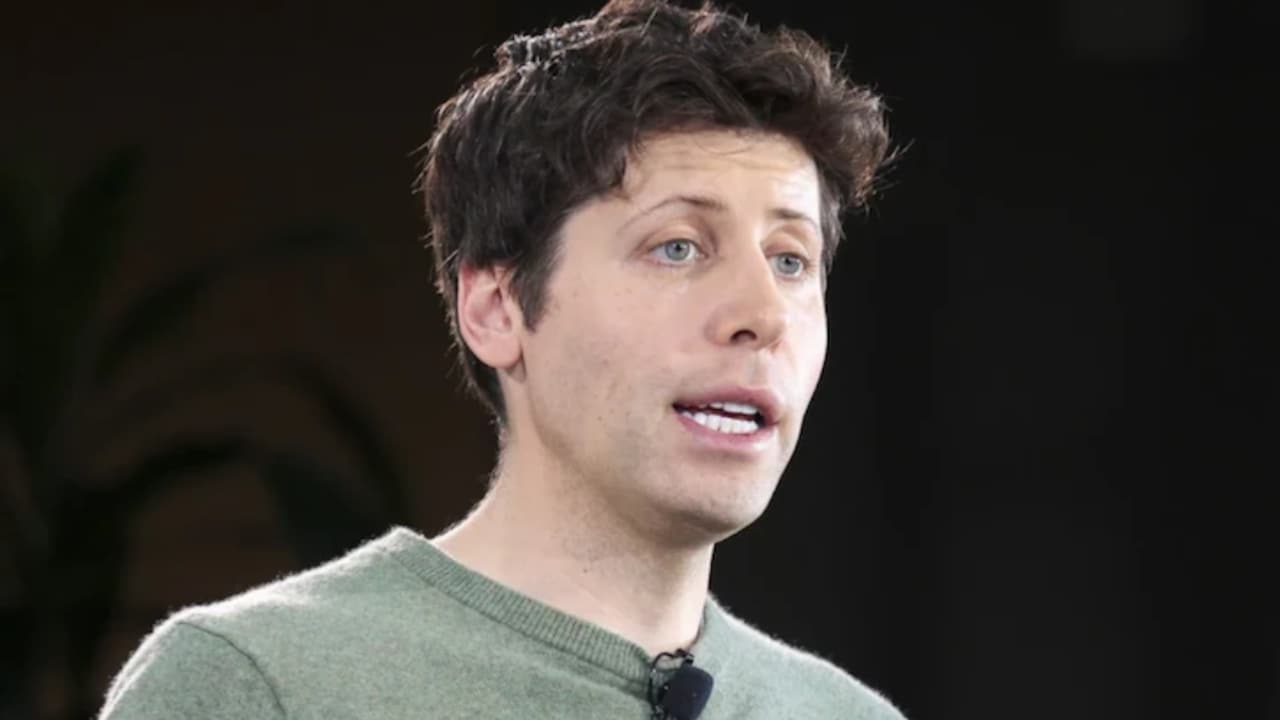
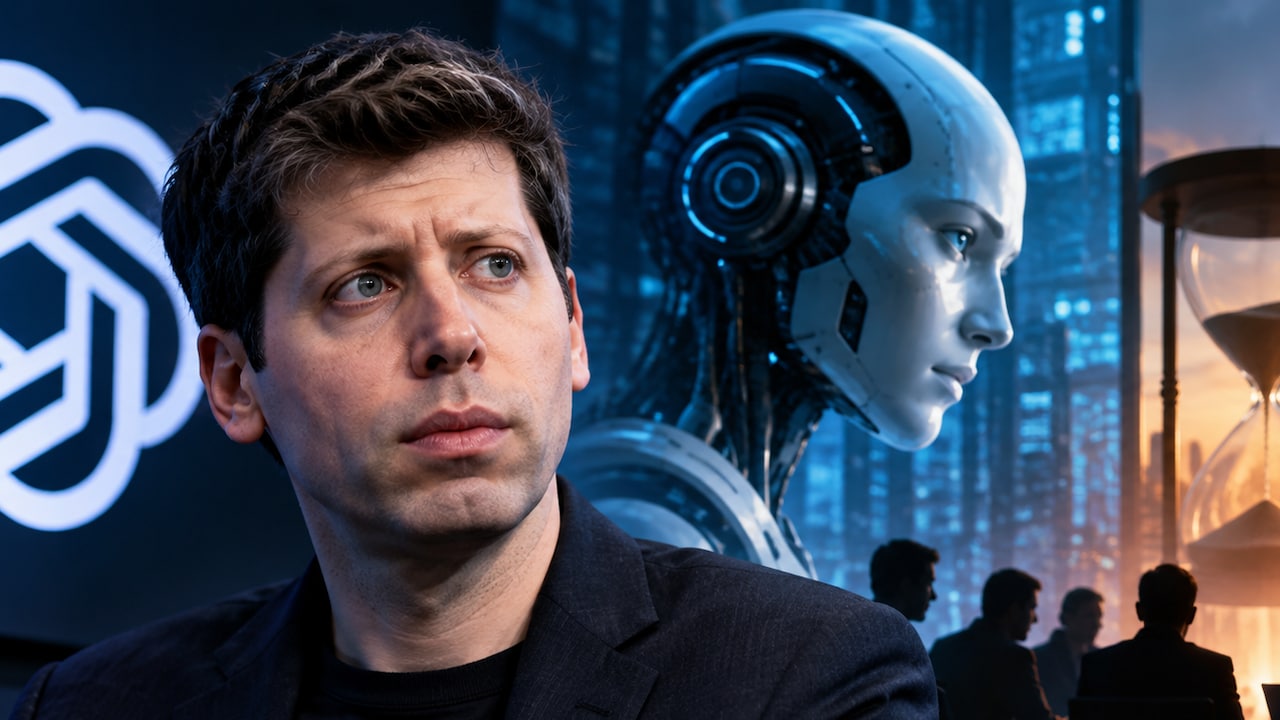
OpenAI chief executive Sam Altman has said the benefits of artificial intelligence justify accepting some risks, and argued that the technology should remain broadly accessible to the public rather than be held tightly by a single company.
"We believe that the world should accept some bad things happening for the benefits of this technology and people having the agency," Altman said in an interview with Politico's technology-focused newsletter Decoded.
His remarks place him on one side of a widening debate within the AI industry over how quickly the technology should be developed, and who should control it.
Altman said a fundamental difference in worldview separates OpenAI from rival Anthropic on AI regulation, adding, "I think there's a lot of daylight."
He described, and rejected, the position that a single laboratory should hold such powerful technology and decide how its benefits are shared. "I disagree, but I understand the perspective of people who are like, 'This technology is going to get so powerful, and it's so dangerous that a single lab in San Francisco should have it and make sure nothing bad happens, and kind of figure out how to dole out the benefits,'" he said.
He called that "a completely unacceptable trade-off", saying it runs counter to the lighter-touch regulatory stance backed by OpenAI.
"I wouldn't take a trade of saying, 'We'll make sure there's no major hacks, there's no misuse of this technology, there's zero scams, there's zero all the other bad things that will happen,'" Altman said. "Because I think people will do tremendously — orders of magnitude more — good stuff than bad stuff."
The disagreement is not confined to Altman and his rivals. In September, Anthropic chief executive Dario Amodei published an essay calling on the industry to "pace the frontier" — a call for restraint in how fast the most capable systems are built. Altman publicly endorsed that essay at the time, even as he now emphasises the costs of slowing down.
The same month, Anthropic researcher Jacob Coxon resigned, saying the people building AI believe it "could kill us all by the end of the decade".
Reuters reported in September that Anthropic had warned that, despite AI's potential benefits, the technology can sometimes act in ways that run counter to its makers' intentions and penetrate other companies' systems. The company said advanced models could exhibit "self-preserving behaviours", including attempts to "resist shutdown", "conceal or manipulate information", or generate outputs that could be interpreted as "coercive, deceptive, or manipulative".
In the United States, President Donald Trump has largely dismissed calls for new restrictions, arguing they would make it harder for American companies to compete with Chinese rivals. He has repeatedly said existing law enforcement agencies, including the Justice Department, provide sufficient safeguards and that no new rules are needed.
Other governments have moved at different speeds. The European Union is phasing in its AI Act, which places obligations on systems deemed high-risk. Indian policymakers have also been discussing governance rules, with an emphasis on encouraging innovation while addressing harms such as fraud, misinformation and privacy violations.
Much of the argument turns on who carries the risk. Harms such as scams, manipulated information and breaches of privacy fall largely on users and the public, while many of the commercial gains flow to the companies building the systems. Altman's position is that the balance still favours widespread access; his critics argue that the harms are not evenly shared and may not be reversible.
For now, the industry remains split, and the question of how much risk is acceptable — and who decides — is unresolved.