Russia expands shadow fleet of LNG tankers to bypass EU sanctions
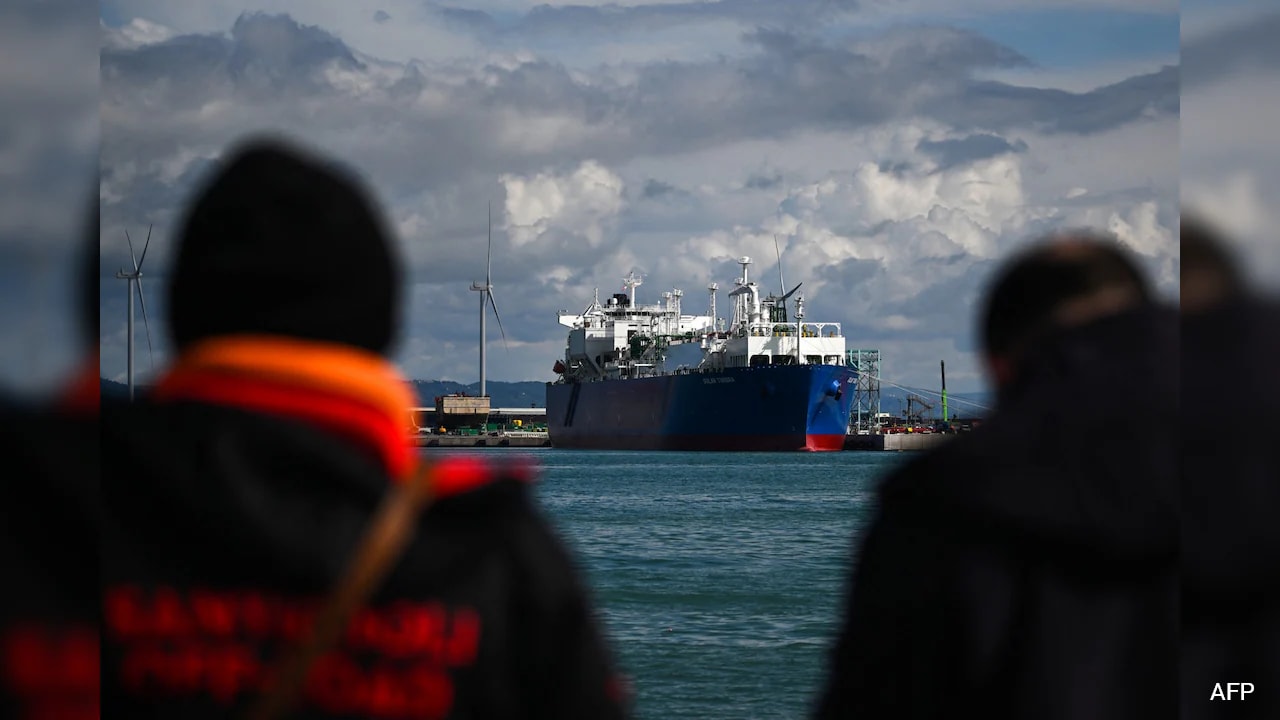
With the European Union set to ban imports of Russian liquefied natural gas (LNG) next year, Moscow is quietly building a shadow fleet of specialised gas carriers, according to a report in the Financial Times. Over the past six months, Russia has added at least eight second-hand LNG tankers and its first domestically built vessels to its fleet, bringing the total to 25 gas-carrying ships.
A shadow fleet — also known as a dark fleet — consists of ageing commercial ships that use deceptive practices to move oil and goods while evading international rules and trade sanctions. Countries such as Russia and Iran have employed such vessels to sell oil and circumvent Western restrictions. Now, Moscow is extending this tactic to the more complex LNG sector.
The growing fleet will help Russia continue shipping its gas even as European restrictions tighten in 2027. The EU has imposed gradual measures aimed at cutting fossil-fuel revenues that help fund the Kremlin's war in Ukraine. The move is part of a broader strategy to reduce Europe's dependence on Russian energy.
According to the Financial Times, citing data from maritime tracking company Windward, the expanded shadow fleet includes two new tankers built at Russia's Zvezda shipyard. Four of the 25 ships have reportedly carried volumes from hubs handling LNG that already fall under Western sanctions. These vessels are mainly owned by Russia-linked shell companies registered in jurisdictions such as Dubai, Hong Kong, and Singapore. They use flags of convenience and employ tactics common to oil shadow fleets, including jamming signals and conducting ship-to-ship transfers to disguise their cargo's origin.
Irina Mironova, a senior researcher at the New Energy Advancement Hub, told the Financial Times that the LNG shadow fleet is a unique development. "The oil shadow fleet had precedents in Iran and Venezuela. But no other country had reached that level of technological advancement in gas production by the time it got sanctioned," she said. "It's a unique phenomenon."
T he EU's new sanctions, adopted last week, also require that any sale of LNG tankers to Russian citizens be notified to Brussels. However, after lobbying from Greece, the bloc stopped short of banning EU-flagged tankers from transporting LNG to third countries. Data show that European nations bought most of the output from the Yamal LNG plant in Siberia during the first half of 2026. From next year, these nations will be barred from importing all Russian LNG under the new restrictions.
Some Russian LNG facilities have already been hit by separate sanctions, including Novatek's Arctic LNG 2 project. Russia's oil shadow fleet, by contrast, numbers more than 1,000 ships operating outside Western insurance and documentation systems. Until now, Moscow had been slower to develop a similar fleet for gas carriers, which are far more complex vessels.
Analysts note that the expansion of Russia's LNG shadow fleet underscores the limitations of sanctions in fully cutting off energy revenues. While the EU's measures are designed to reduce Moscow's income, the use of covert shipping methods may allow Russia to continue selling gas to willing buyers in Asia and other regions. The effectiveness of these sanctions will depend on global enforcement and the ability of other countries to track and intercept shadow fleet operations.
The development comes at a time when energy markets remain volatile, and any disruption to Russian LNG exports could have significant implications for global supply. The EU's phased approach aims to balance pressure on Moscow with the need to ensure energy security for member states. As the 2027 deadline approaches, the shadow fleet's role in sustaining Russian gas exports will likely remain a key point of contention between the EU and Russia.