Malaysia's King Grants Najib Razak Conditional Pardon, Allows House Arrest Until 2028

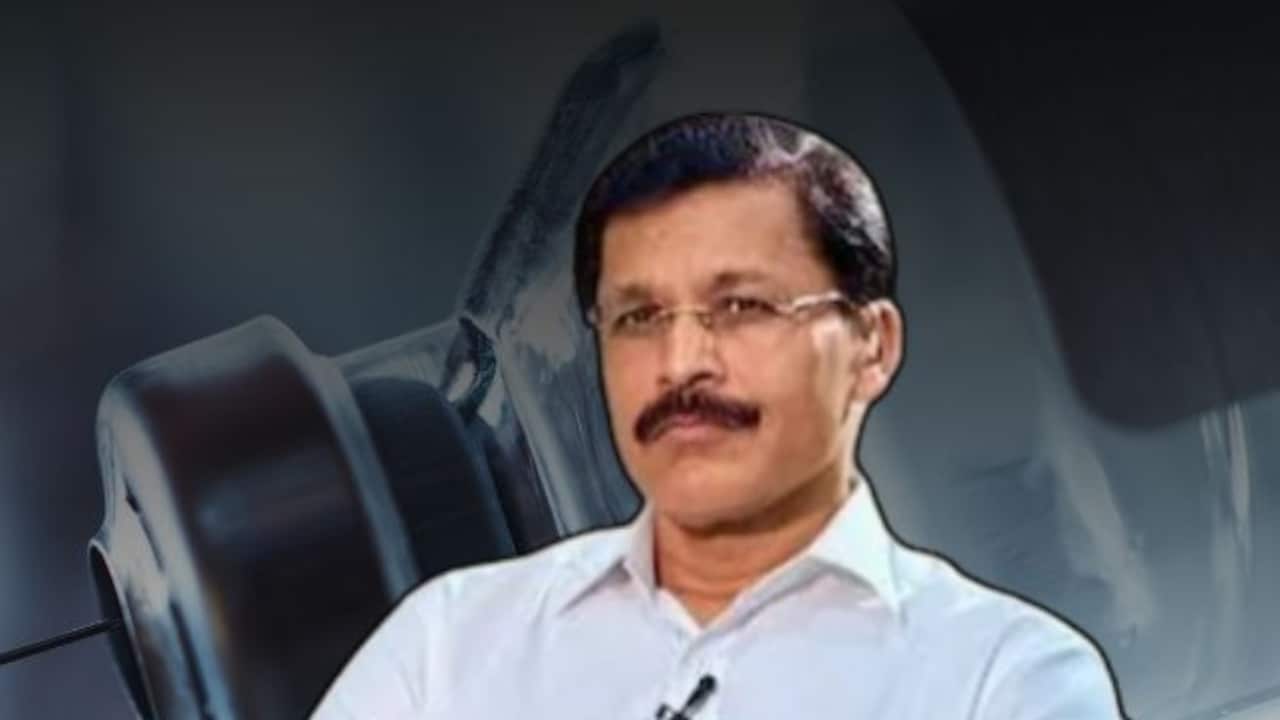
Malaysia's King, Sultan Ibrahim Iskandar, has granted a conditional pardon to jailed former Prime Minister Najib Razak, allowing him to serve the remainder of his corruption sentence under house arrest until August 23, 2028.
The decision was taken at a Pardons Board meeting convened suddenly on Friday, a week after the board had postponed a decision on Najib's latest clemency application. A statement issued by the Legal Affairs Department under the Prime Minister's office said the King granted the "conditional pardon" on the condition that Najib pays the 50 million ringgit (about USD 12 million) fine imposed by the court.
The statement added that Najib must also comply with other conditions that have been set, and that the pardon would be forfeited if he fails to do so. It did not disclose what those conditions are.
This is the first time that house arrest has been used as a form of royal clemency in Malaysia. The move is likely to reopen debate over the extent of royal powers, the rule of law, and the treatment of the country's best-known corruption convict.
Under Malaysia's Constitution, the King chairs the Pardons Board for offences committed in the federal territories and has the power to grant pardons, reprieves and respites.
Najib, 73, has been in prison since August 2022, after the country's top court upheld his conviction in a corruption case linked to the multibillion-dollar looting of the state investment fund 1Malaysia Development Berhad (1MDB). In 2020, he was sentenced to 12 years in prison and fined 210 million ringgit (about USD 51.5 million) for abuse of power, criminal breach of trust and money laundering involving 42 million ringgit (about USD 10.3 million) that was channelled into his bank accounts from SRC International, a former unit of 1MDB.
In January 2024, a Pardons Board chaired by the then King halved the sentence to six years and reduced the fine to 50 million ringgit.
Najib has maintained that the previous King, Sultan Abdullah Ahmad Shah, also issued an addendum order allowing him to serve the remainder of his sentence under house arrest. The High Court, however, ruled that the alleged house arrest order was not enforceable because it had not been raised or discussed by the Pardons Board at its January 2024 meeting.
The new pardon raises questions about a separate sentence Najib faces. In December 2025, he was found guilty of abuse of power and money laundering over more than USD 700 million channelled into his bank accounts from 1MDB, in his main trial linked to the fund. He was sentenced to a further 15 years in prison and fined 11.4 billion ringgit (about USD 2.8 billion), to take effect after his current sentence ends. He is appealing that conviction.
House arrest had been discussed in Malaysia as part of broader criminal justice reforms. In 2024, the government said proposed legislation permitting home detention in certain circumstances was intended to reduce prison overcrowding and repeat offences, and was not designed specifically for Najib.
Najib set up the 1MDB development fund shortly after taking office in 2009. Investigators allege that at least USD 4.5 billion was stolen from the fund and laundered by his associates through layers of bank accounts in the United States and other countries. The money was allegedly used to finance Hollywood films and lavish purchases, including hotels, a luxury yacht, art and jewellery.
Public outrage over the 1MDB scandal contributed to the historic 2018 election defeat of the party that had governed Malaysia since independence from Britain in 1957.
Despite his conviction, Najib retains influence within his party, the United Malays National Organisation (UMNO), which is now part of Prime Minister Anwar Ibrahim's unity government that took office after the 2022 elections.