KVASU, NIANP Sign Pact to Turn Livestock Research into Practical Gains for Farmers
Kerala Veterinary and Animal Sciences University (KVASU), Pookode, in Wayanad, has signed a memorandum of understanding (MoU) with the ICAR–National Institute of Animal Nutrition and Physiology (NIANP), Bengaluru, to strengthen collaborative and postgraduate research in animal nutrition, physiology and allied areas. The university announced the agreement in a statement issued on Friday, September 18.
Under the MoU, postgraduate and doctoral students of KVASU will be able to undertake approved research projects at NIANP, with NIANP scientists serving as guides or co-guides as applicable. Students taking up such collaborative work will also have access to NIANP's existing laboratory and library facilities free of cost for their approved projects, subject to the provisions of the agreement.
Officials said a major advantage of the tie-up is access to NIANP's specialised research facilities. These cover molecular biology, reproduction, micronutrients and macronutrients, bioenergetics, rumen microbiology, toxicology, bio-fermentation, climatology and general analytical research. The institute also has experimental livestock and fodder production units, along with advanced information and research support facilities.
The collaboration is expected to improve the capacity of KVASU researchers to investigate location-specific livestock production problems through multidisciplinary research. The two institutions can jointly formulate research projects of mutual interest and seek funding from external agencies, which would allow larger and more focused research programmes.
The partnership is significant for livestock farmers because it creates a stronger institutional framework for research aimed at field-level challenges. Work carried out under the agreement can generate scientific evidence relevant to improving feeding and nutrition strategies, the efficient use of feed and fodder resources, livestock productivity, and the physiological adaptation of animals to production environments.
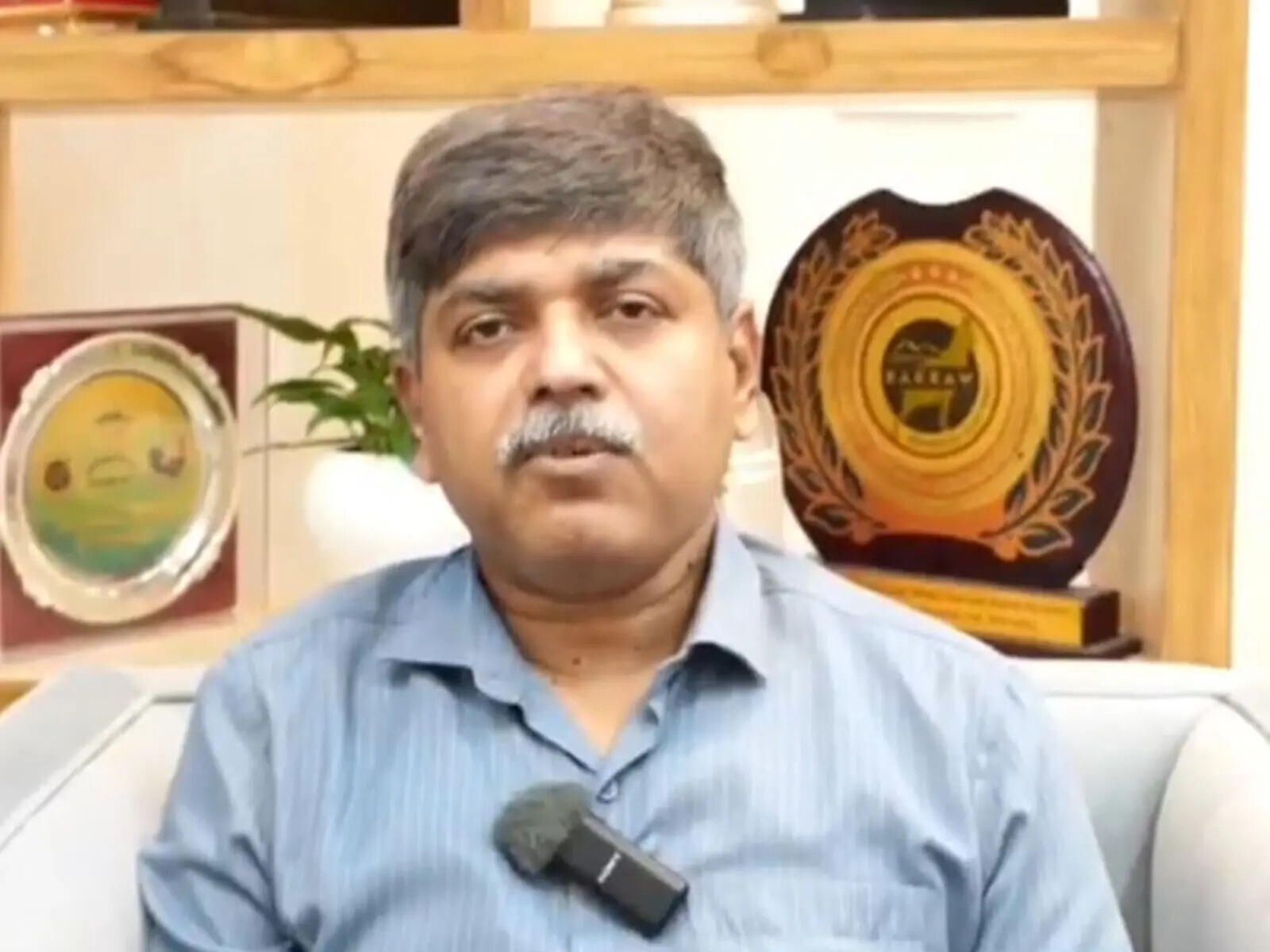
Such research can subsequently support the development and field validation of practical technologies and recommendations for farmers, said Sabin George, Registrar, KVASU.
As part of the arrangement, KVASU will recognise NIANP as an institution for conducting research related to MVSc and PhD thesis requirements. The university may also recognise eligible NIANP scientists as postgraduate teachers, guides and advisory committee members, in accordance with its regulations.
KVASU will similarly make its laboratory, library and field facilities available free of cost for approved cooperative research involving NIANP students and staff.
Livestock rearing supports the livelihoods of a large number of rural households, and reliable access to quality feed and fodder remains a persistent concern for many of them. Partnerships between universities and national research institutes are a common way of pooling limited scientific infrastructure and expertise, so that students and researchers can work with equipment and guidance that a single institution may not possess.
How far the agreement translates into on-ground benefits will depend on how quickly joint projects are framed, funded and then validated under actual farm conditions. The MoU sets out the framework for that work; the results will emerge over the coming academic and research cycles.