Ravneet Singh Bittu's convoy attacked in Punjab: What we know, and what remains unverified
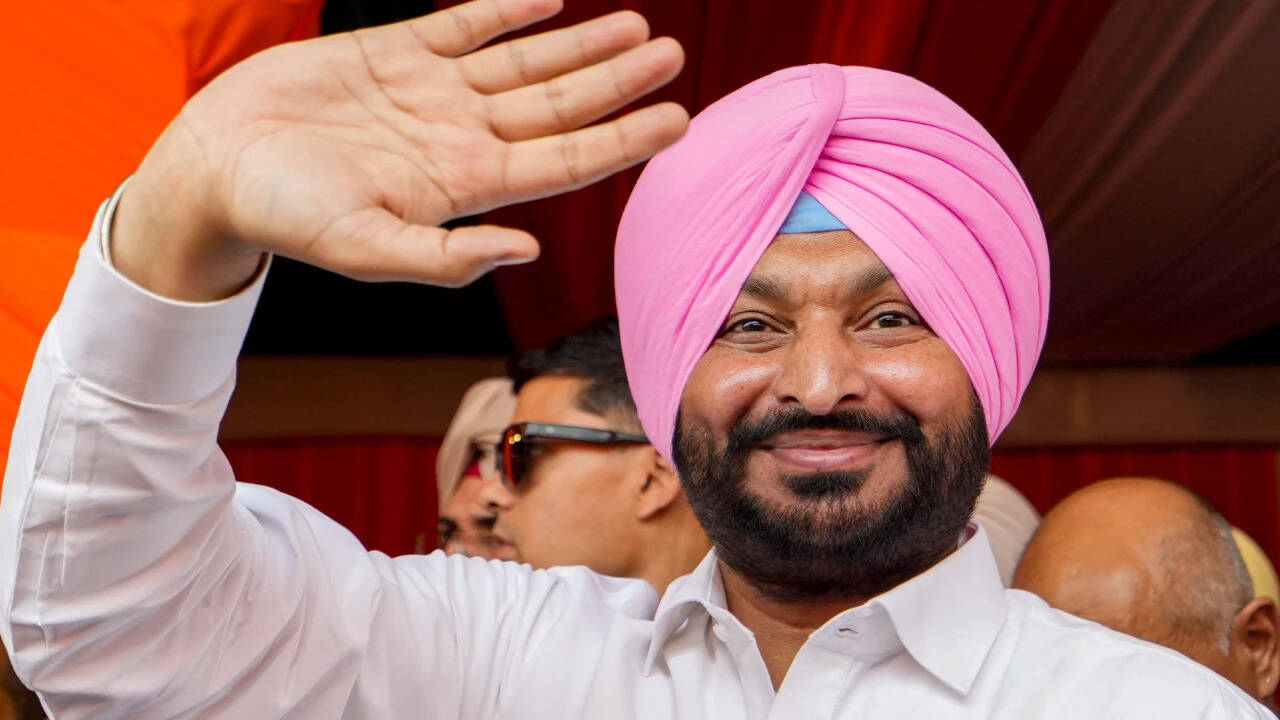
Reports said the convoy of former Union Minister Ravneet Singh Bittu was attacked in Punjab. The exact location, the number of people involved, whether anyone was injured and who may be responsible had not been independently verified when this report was prepared, and an official account of the incident was awaited.
Because the information available so far is limited, this publication is restricting itself to what can be established, and will update the report as verified details emerge. Readers are advised to be cautious about unverified claims, including videos and photographs of unclear origin, circulating on social media.
Who is Ravneet Singh Bittu
Ravneet Singh Bittu is a senior leader of the Bharatiya Janata Party in Punjab and a former Union Minister of State. He is the grandson of Beant Singh, the former Punjab Chief Minister who was assassinated in 1995.
Mr Bittu began his political career in the Indian National Congress and represented the Ludhiana Lok Sabha constituency before joining the BJP ahead of the 2024 general election. He has since been one of the party's more prominent faces in a state where the BJP has traditionally had a limited electoral presence.
The wider context
The reported attack has drawn attention once again to the safety of political figures in Punjab. In recent years the state has recorded a series of violent incidents, including targeted killings, bombings and attacks on public figures, that have prompted recurring public debate on policing, the availability of illegal firearms and the reach of radical networks.
Punjab's recent history, including a phase of militancy in the 1980s and 1990s that cost thousands of lives, makes any incident involving the security of a public figure politically sensitive. The state has since rebuilt its institutions, and successive governments have emphasised that the rule of law must be upheld.
Under the Constitution, law and order is a state subject. The Punjab government and the state police are responsible for the security of citizens, including elected representatives and senior political leaders. Questions about threat assessments and security cover are therefore ordinarily directed at the state administration, irrespective of the party in power.
Political violence is a matter of concern in a democracy regardless of whom it targets. Every political party and every individual has the right to participate in public life without fear, and disputes are to be settled through the ballot and the courts, not through force.
What happens next
Once the facts are confirmed, the questions that will matter include how the attack took place, whether there was a lapse in security arrangements, and what the investigation establishes about those responsible. Those found culpable should be proceeded against in accordance with law, and the process should be allowed to run its course without political pressure.
Leaders across parties would do well to exercise restraint in their public statements until the facts are known, since premature allegations can inflame tensions and prejudice the investigation.
This article will be updated as verified information becomes available.