Rajya Sabha Passes Bill Protecting Vande Mataram, Opposition Stages Walkout
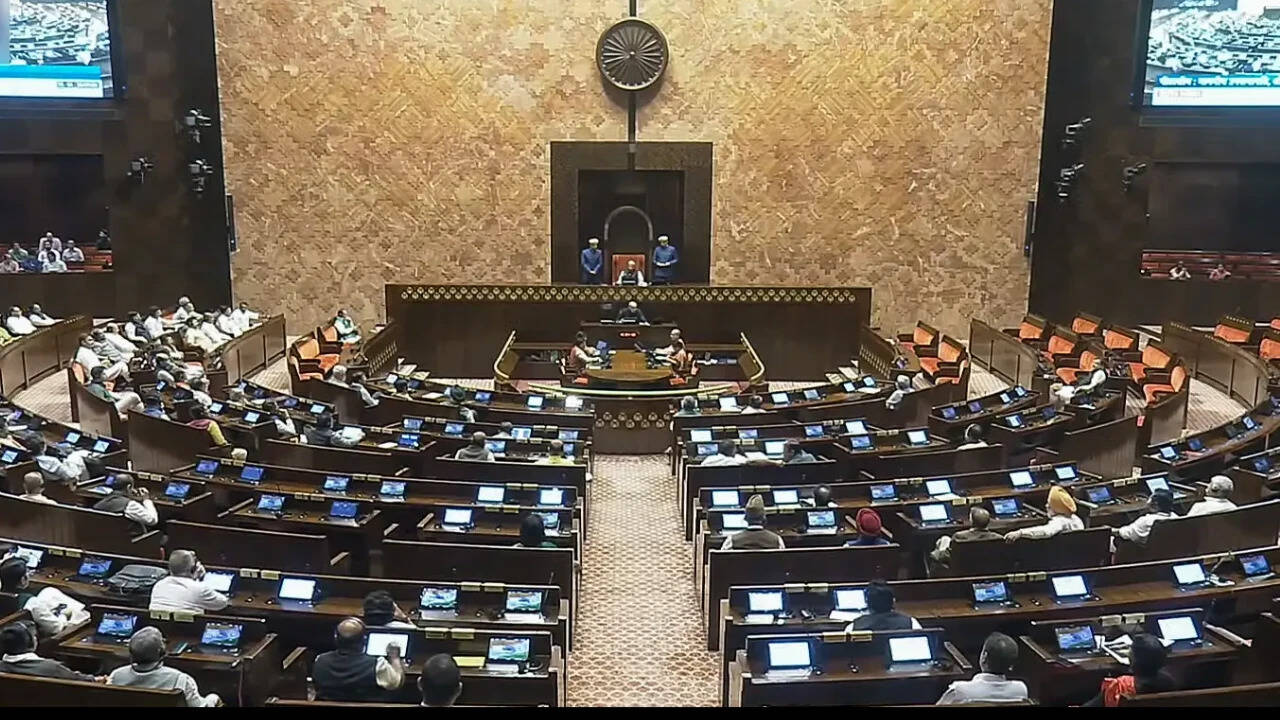
The Rajya Sabha on Wednesday passed a bill that proposes jail time for anyone who disrupts the singing of Vande Mataram, India's national song. The legislation, piloted by junior home minister Nityanand Rai, was approved with a voice vote after opposition MPs walked out of the House in protest.
The bill, officially titled the Prevention of Insults to National Song and National Emblems (Amendment) Bill, seeks to amend existing laws to make disruption of Vande Mataram a cognizable offence, punishable with imprisonment of up to three years. The government argued that the measure is necessary to uphold respect for the national song, which holds a special place in India's freedom struggle and cultural heritage.
Opposition members, including those from the Congress, Trinamool Congress, and Dravidian parties, demanded a statement from the government on the recent police action against protesters in several states. They argued that the bill was being rushed without proper debate and could be used to stifle dissent. Congress floor leader in the Rajya Sabha, Mallikarjun Kharge, said, 'We respect Vande Mataram, but the government is trying to divert attention from real issues like unemployment and inflation.'
AIADMK MPs pointed out that in several states, it is customary to play the state anthem after the national song, and the bill should not create confusion regarding these practices. Samajwadi Party MP Sanjay Singh questioned the Rashtriya Swayamsevak Sangh's (RSS) past refusal to hoist the tricolour, linking it to the debate on national symbols. The RSS has denied any such refusal, and the government dismissed Singh's comment as irrelevant.
Minister Nityanand Rai, while replying to the debate, criticized the Congress party for its historical stance on Vande Mataram, recalling the party's earlier reservations about the song due to its association with Hindu imagery. He said, 'The Congress has always had a complex about Vande Mataram. This bill will put an end to any disrespect shown to our national song.'
The walkout by the opposition was led by Congress MPs, who said they were leaving the House to protest the government's refusal to discuss the police action. The bill will now go to the Lok Sabha for approval. Once passed by both Houses and signed by the President, it will become law.
Political analysts note that the bill comes ahead of the upcoming elections in several states, where national symbols often become rallying points. The government maintains that the bill is non-political and aims to protect a cherished symbol of national unity. The opposition, however, sees it as a tool to curb dissent and distract from other pressing issues.


