Rainfall Deficit at 43%: Centre Identifies 315 Districts for Contingency Plans
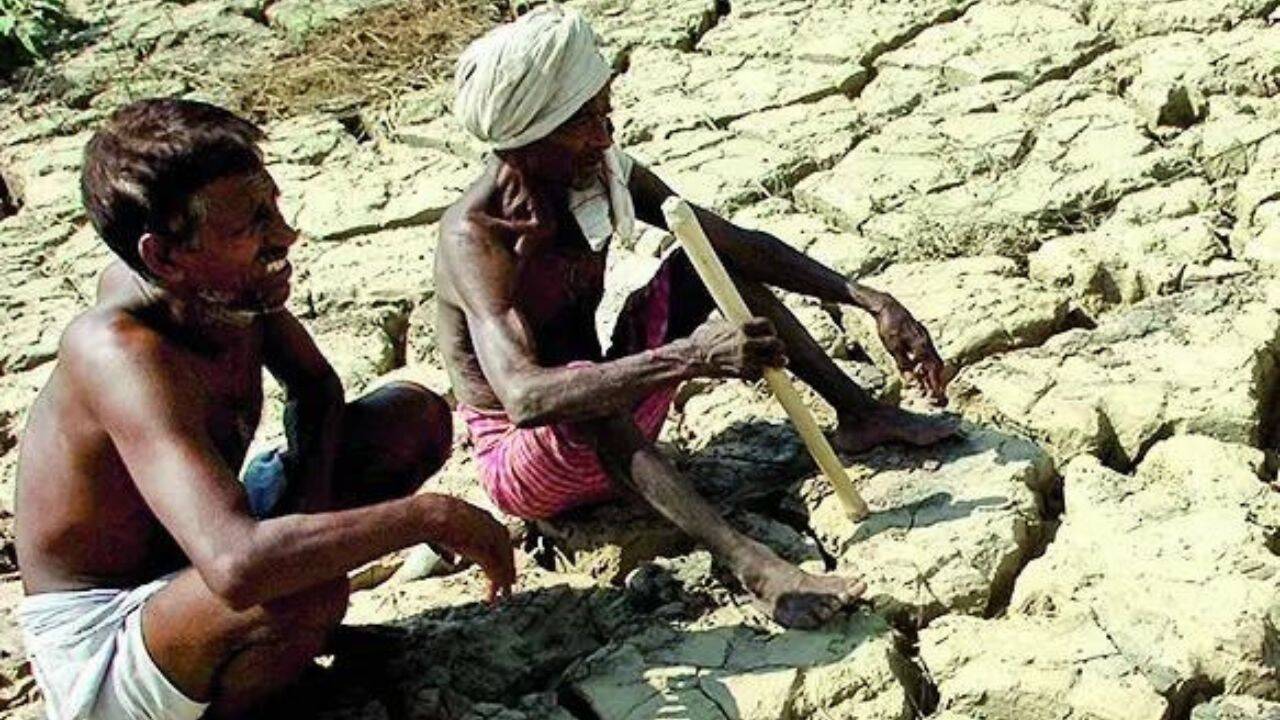
With monsoon rainfall this month recording a deficit of nearly 43%, the central government on Tuesday reviewed the situation and established an El Nino Monitoring Cell and a Crop Weather Watch Group. These bodies will track preparedness, contingency measures, and ongoing sowing operations in 315 potentially affected districts across the country, including 111 identified as most vulnerable.
Agriculture Minister Shivraj Singh Chouhan, who chaired a review meeting with state agriculture ministers and senior officials, appealed to farmers not to panic. However, the gravity of the situation was underscored by the fact that nearly 40% (315) of the total districts in India are mapped as areas with a higher risk of low rainfall and irrigation shortages.
Among these, 111 districts are considered most vulnerable, with irrigation coverage of less than 25%. Additionally, 76 districts are of medium priority, where irrigation ranges between 25% and 50%, and the remaining 128 districts are of low priority, benefiting from comparatively better irrigation infrastructure such as dams.
A large number of high-risk districts are located in 12 states: Madhya Pradesh, Maharashtra, Gujarat, Uttar Pradesh, Tamil Nadu, Rajasthan, Karnataka, Bihar, Jharkhand, Telangana, Andhra Pradesh, and Odisha. State agriculture ministers and district collectors of vulnerable districts were consulted in detail during the meeting and urged to accelerate local preparations.
Chouhan stated that the ministry has prepared District Agriculture Contingency Plans (DACP) for all vulnerable districts. “These plans provide clear measures, keeping in view each district’s climate, crop pattern, water resources, and risk. They outline alternative crops in case of low rainfall, crop-change strategies, optimal use of available water, and ways to create new income options while reducing risk,” he said.
Directing states and district administrations to implement DACP on the ground without delay, Chouhan added: “There is no need to panic. Preparation and collective action are required. If the central and state governments, scientific institutions, district administrations, and farmers coordinate efforts, even the challenge of El Nino can be turned into an opportunity. Water conservation, crop diversification, technical advice, and social security schemes together can form a protective shield for farmers.”