Akal Takht panel seeks compliance report before anti-sacrilege talks with Punjab government
The expert panel appointed by the Akal Takht has asked the Punjab government to submit a compliance report on the objections raised by the Sikh temporal seat before any further discussion on the proposed anti-sacrilege law. The panel, which held its first meeting on Thursday, communicated its decision on Friday.
The panel was constituted to deliberate on the Jaagat Jot Sri Guru Granth Sahib Satkar (Amendment) Act, 2026, with the state government. It said the Punjab government's response, submitted on July 29, did not address the key concerns raised by the Akal Takht, particularly those related to possible interference in Sikh religious matters.
On June 29, Akal Takht Jathedar Giani Kuldip Singh Gargajj had given the state government one month to respond to his objections to the anti-sacrilege law. In a statement on Friday, the Akal Takht secretariat said the government's response, filed just before the deadline, appeared to be an attempt to avoid the main issues. The secretariat also noted that the concerns of the Sikh community had already been conveyed to the Punjab assembly Speaker and members of the state Cabinet on July 31.
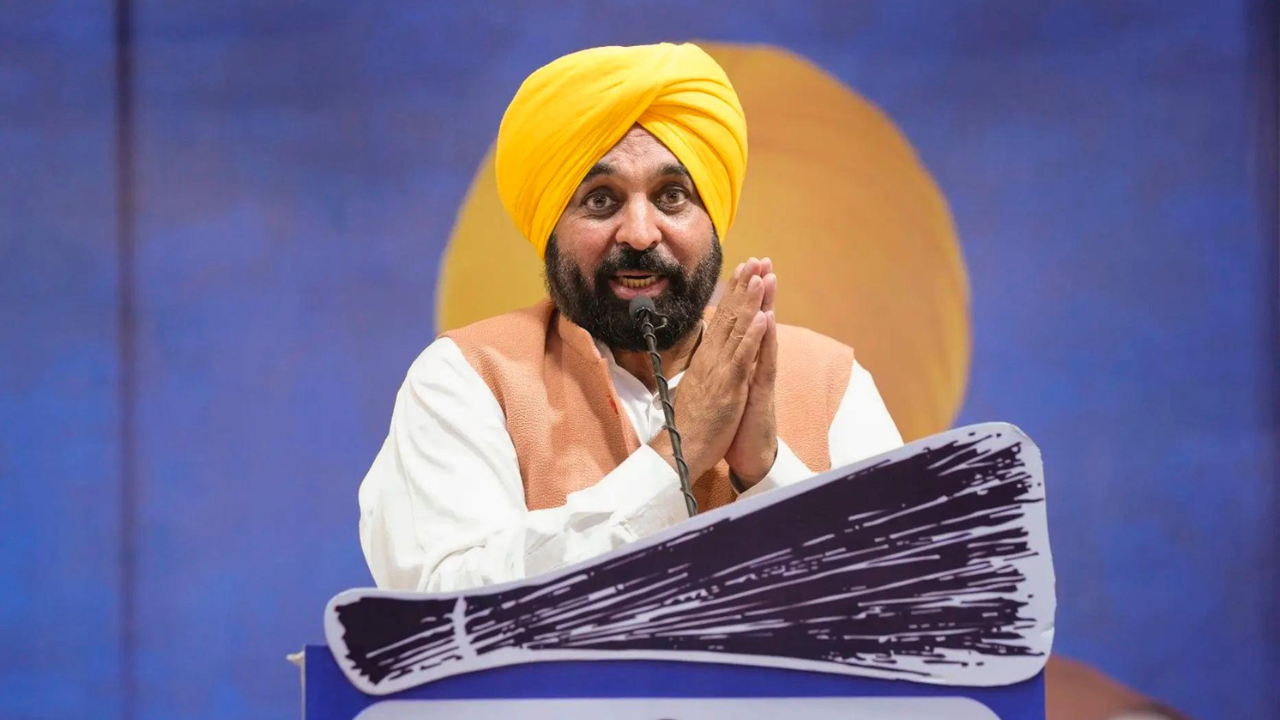
The secretariat accused the Punjab government, led by Chief Minister Bhagwant Mann, of not taking a constructive approach towards resolving the sensitive issue. It further stated that despite being given enough time, the government had not formed its own panel to discuss the matter.
Earlier, Jathedar Gargajj had rejected the government's response as "unsatisfactory" and announced the formation of a five-member expert panel to hold discussions with the Aam Aadmi Party government. The panel includes retired judges Rupinder Singh Sodhi and Mohinder Mohan Singh Bedi, senior advocate Puran Singh Hundal, and Sikh scholars Dr Kehar Singh and Prof Jagmohan Singh.
In a separate directive, the Jathedar has written to Punjab assembly Speaker Kultar Singh, Sikh MLAs and state ministers, asking them not to discuss or amend the anti-sacrilege law without a wider Panthic consensus. He instructed Sikh MLAs and Cabinet ministers to ensure that the law is not discussed during the assembly session that began on August 3 until an agreement is reached with the Akal Takht and the Shiromani Gurdwara Parbandhak Committee (SGPC).
The issue came into focus after Aam Aadmi Party MLA Inderbir Singh Nijjar submitted the Punjab government's response to the objections raised by the Akal Takht over the proposed legislation.
The Akal Takht, located in Amritsar, is the highest temporal authority of the Sikh faith. Its views carry considerable weight in matters concerning Sikh religious and social issues. The panel's demand for a compliance report indicates that the Akal Takht is keen to ensure that the law does not undermine religious autonomy and that all objections are addressed before any final decision.
The proposed legislation, as its name suggests, deals with the respect and honour of the Guru Granth Sahib. The Akal Takht has been firm on the position that any amendment to such laws must be made in consultation with Sikh religious institutions.
There has been no public response from the Punjab government yet to the panel's latest request. The assembly session is currently underway, and the Jathedar has maintained that no discussion on the anti-sacrilege law should take place until a consensus is achieved with the Akal Takht and the SGPC.