Rain Deficit in Over Half of India's Districts Slows Kharif Sowing, Paddy Down 8.6%
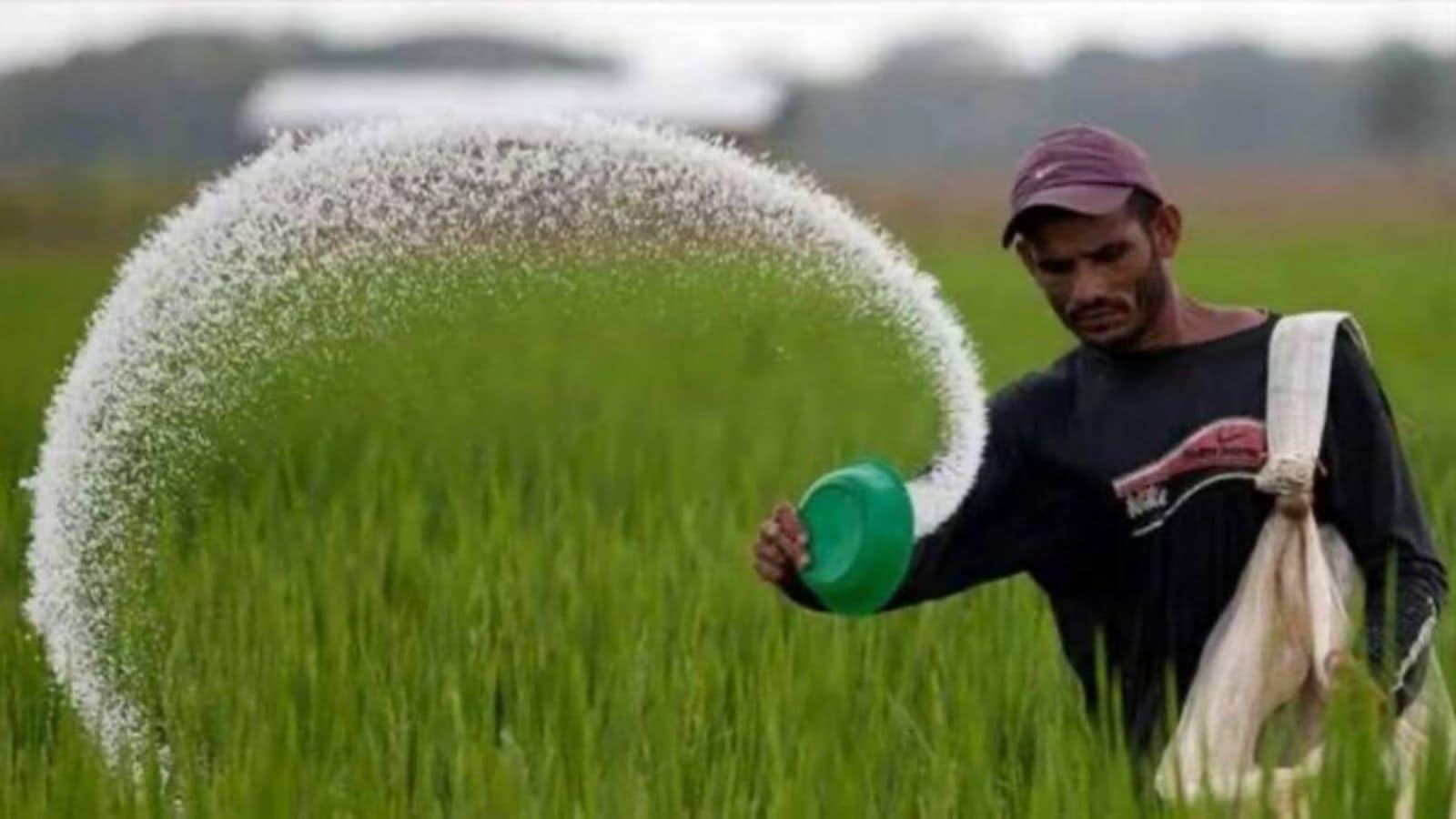
More than half of India's 741 districts are experiencing a rainfall deficit this monsoon season, threatening kharif sowing. As of July 10, the acreage under key crops like rice, pulses, millets, and oilseeds is significantly lower compared to the same period last year. The looming El Niño condition has added to concerns.
According to the Ministry of Agriculture and Farmers’ Welfare, paddy, the largest kharif crop, has been sown on 114.69 lakh hectares—8.6 per cent less than the 125.53 lakh hectares covered last year. The shortfall is even steeper for pulses, millets, and oilseeds.
Pulses have been sown on only 56.63 lakh hectares, a 23 per cent drop from last year's 73.85 lakh hectares. Among pulses, the coverage of arhar, urad, and moong is notably lower. The data underscores the impact of uneven rainfall distribution across the country.
Agriculture experts warn that delayed or inadequate rainfall could affect crop yields and food prices. The government is monitoring the situation closely and has advised states to take contingency measures. The full picture will emerge as the monsoon progresses and more sowing data is reported.







