Punjab's Pre-Election Chessboard: AAP, Congress, SAD, BJP in Four-Cornered Contest
With assembly elections about seven months away, Punjab has emerged as one of India's most unpredictable political battlegrounds. Every major contender sees a path to victory in what is expected to be a fierce, multi-cornered contest among the Aam Aadmi Party (AAP), Congress, Shiromani Akali Dal (SAD), and Bharatiya Janata Party (BJP).
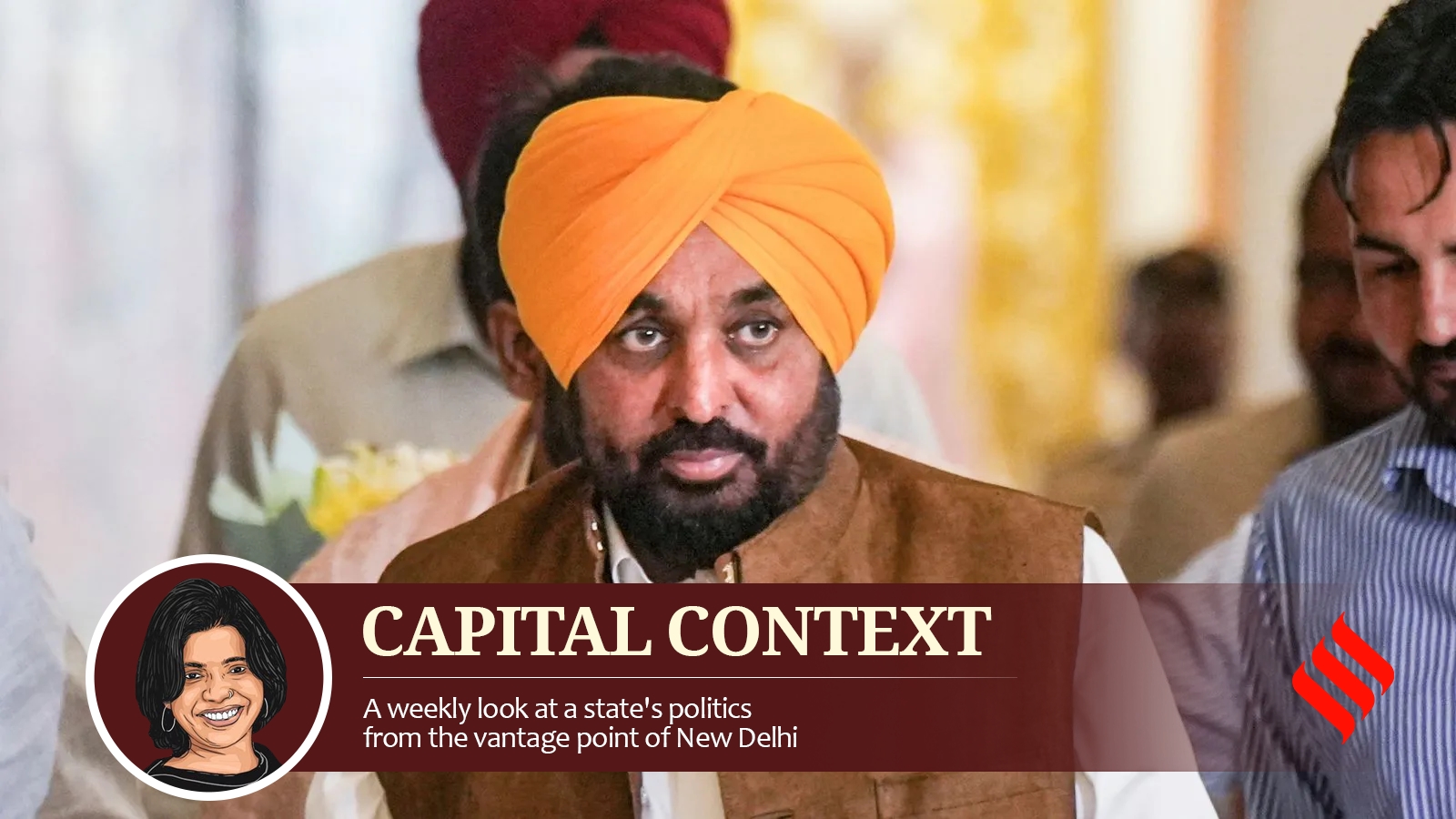
The ruling AAP hopes to retain power by capitalising on a fragmented Opposition. However, the party faces challenges from a sacrilege video controversy involving Chief Minister Bhagwant Mann. On June 15, the Akal Takht, the highest temporal authority of Sikhs, declared Mann 'Guru dokhi' (anti-Guru) and 'Khalsa panth virodhi' (anti-Khalsa panth) over an alleged sacrilege video. Mann has maintained he is not in the video and called it 'fabricated' to defame him.
Additionally, AAP has suffered high-profile defections. In April, seven of its 10 Rajya Sabha members, led by Raghav Chadha, merged with the BJP. Six of these seven members were elected from Punjab. Despite these setbacks, AAP registered a resounding win in the May local body elections, securing a majority in five of eight municipal corporations, 39 of 75 municipal councils, and nine of 20 nagar panchayats across the state.
The principal Opposition Congress, with only 16 MLAs in the 117-member assembly, aims to capitalise on the sacrilege row and anti-incumbency against the AAP government. However, the party is struggling with internal strife. The Congress high command recently revamped the Punjab unit, retaining Amarinder Singh Raja Warring as state party chief and Partap Singh Bajwa as Leader of Opposition, while naming former Chief Minister Charanjit Singh Channi as the campaign committee chairman. This move has widened cracks, with Channi's supporters launching a campaign against Warring. Channi, an aspirant for the state president's post, has rallied senior leaders to pressure the party leadership. There are also speculations of defections from Congress to BJP.
The Sukhbir Badal-led SAD, once dominant in Punjab, is reeling from an existential crisis but continues attempts at a comeback. The BJP, despite a smaller support base in the state, sees opportunities in rivals' contradictions and conflicts. BJP leaders cite issues such as the AAP government's mismanagement of last year's floods, stagnated infrastructure projects, and growing debt as fuelling anti-incumbency. The state BJP has been in informal talks with its erstwhile ally SAD to revive their alliance. It also hopes the Centre's decisions on issues like the release of Sikh prisoners (Bandi Singhs) will create resonance among Punjabis.
As the election approaches, the dynamics remain fluid. The fragmented Opposition and internal party battles make Punjab a state to watch in the coming months.