Punjab & Haryana High Court: Slogans Against Government Not Sedition in Democracy
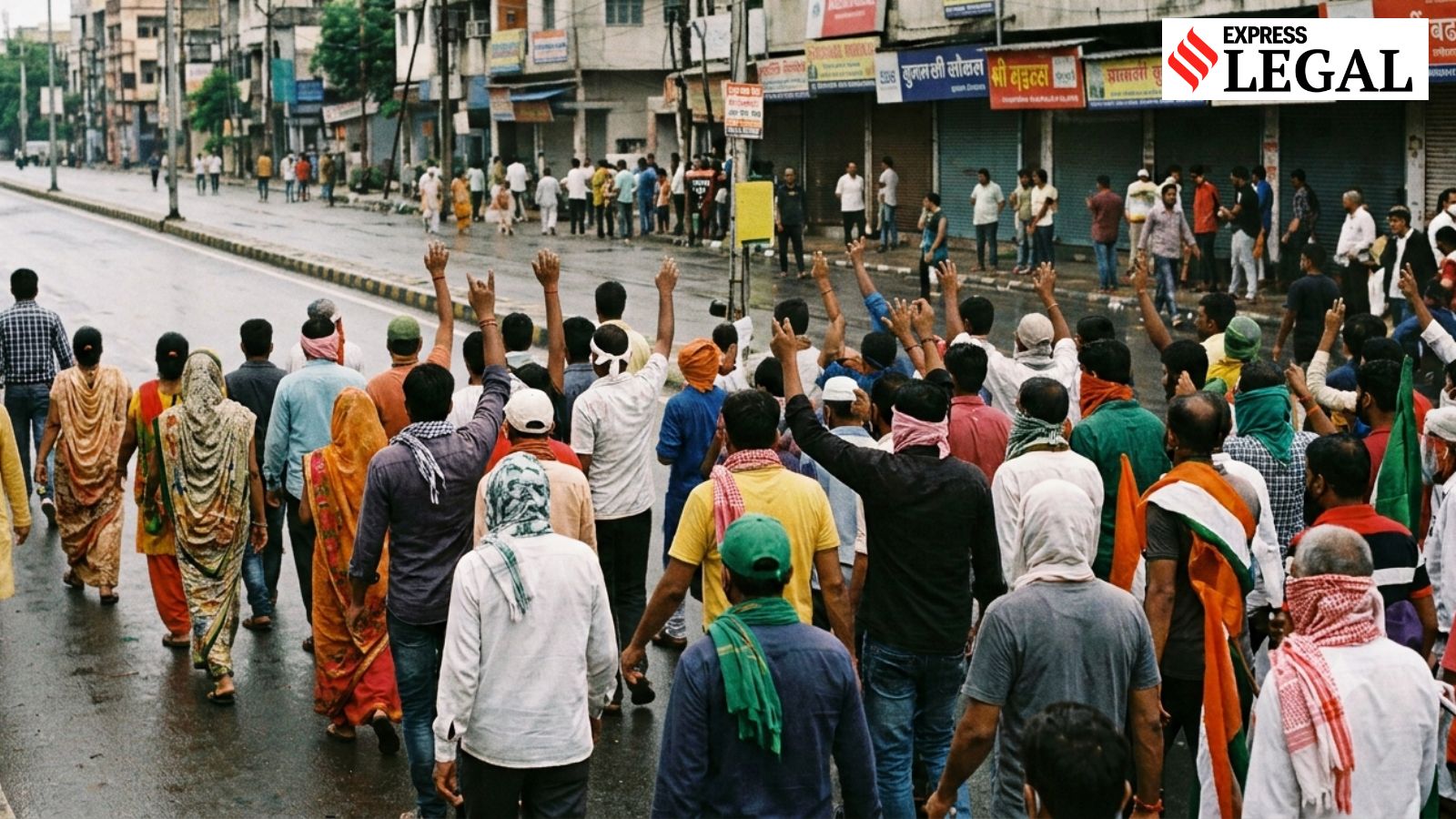
The Punjab and Haryana High Court has ruled that raising slogans against the government, even during protests that turn violent, does not automatically amount to sedition. The court made the observation while upholding the acquittal of individuals accused of vandalising and setting fire to an electricity office following the 2017 rape conviction of Dera Sacha Sauda chief Gurmeet Ram Rahim Singh.
A division bench of Justices Vinod S Bhardwaj and Sukhvinder Kaur dismissed the state of Haryana's appeal against the trial court's order. The lower court had acquitted the accused of several charges, including the offence of sedition under Section 124A of the Indian Penal Code.
In its July 2 order, the High Court emphasised that in a democracy, expressing dissent against the government or its agencies through slogans does not by itself constitute sedition. The bench observed: 'A violent protest may amount to rioting but such action of violence would not be perceived as an act of bringing in hatred or contempt against Government. A sloganeering against the Government or wings of governance, in an elected democracy, would not be sufficient to slap charges of sedition against its citizens.'
The case pertained to an incident on August 25, 2017, when supporters of the Dera Sacha Sauda sect went on a rampage after their leader was convicted of rape. The mob allegedly damaged computers, furniture, and other public property, and set an office premises on fire while raising slogans. The prosecution had charged the accused under various sections, including sedition, rioting, and criminal trespass.
The trial court had acquitted them of sedition, holding that the slogans raised did not meet the legal threshold for the offence. The High Court concurred, noting that the prosecution failed to prove that the accused intended to incite hatred or contempt toward the government. The court also observed that the mere use of slogans critical of the government does not amount to an attempt to overthrow the state.
Legal experts have hailed the judgment as a reaffirmation of constitutional freedoms. The ruling is significant as it clarifies the limits of the sedition law in the context of protests and dissent. The Supreme Court of India has also been examining the scope of Section 124A, with the government recently expressing its intention to reconsider the provision.
The High Court's order serves as a reminder that the right to dissent is a cornerstone of democracy, and that the state must not misuse stringent laws to suppress legitimate expression. However, the court also made it clear that violence and destruction of property remain punishable under other provisions of the law.







