Punjab Exporters Oppose Inclusion of Madhya Pradesh in Basmati GI Zone
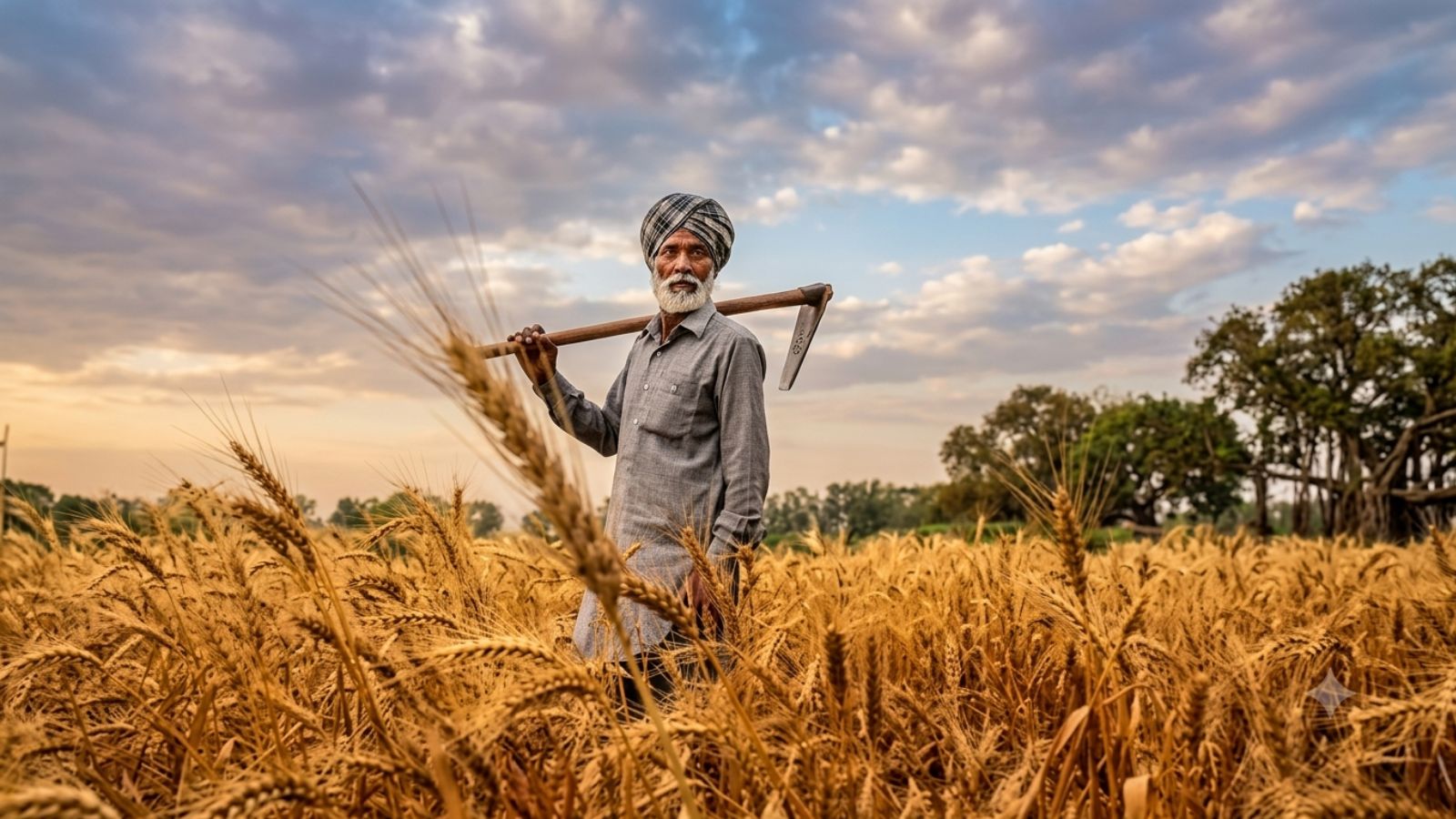
A fresh controversy has erupted over the proposed inclusion of Madhya Pradesh in the Geographical Indication (GI) area for Basmati rice, drawing strong opposition from Punjab's exporters, rice millers, and farming community. Industry leaders argue that the issue concerns the future of India's premium agricultural export brand, farmer livelihoods, and the credibility of Basmati in global markets.
Ashok Sethi, Director of the Punjab Rice Millers Exporters Association, has written a letter to the Union Minister of Commerce and Industry, urging the Centre to retain Basmati cultivation within the traditional Indo-Gangetic belt comprising Punjab, Haryana, western Uttar Pradesh, parts of Uttarakhand, and the Kathua region of Jammu. Eighteen districts of Pakistan also fall under the GI area for Basmati.
In his letter dated July 2, Sethi flagged that a group of political leaders from Madhya Pradesh had proposed including areas in the state under the GI area for Basmati rice and urged against such a move.
Why Punjab exporters are concerned
At the heart of the dispute lies the GI status granted to Basmati rice in 2016. Like Champagne in France or Darjeeling tea in India, Basmati's identity is linked to a specific geographical region whose climate, soil conditions, and irrigation patterns are believed to produce its distinctive characteristics. Punjab's exporters fear that expanding the GI area beyond the traditional Indo-Gangetic plains could weaken the very attributes that have made the rice a globally recognised premium product.
According to industry stakeholders, Basmati's reputation has been built over decades on a unique combination of factors, including alluvial soil conditions of the Indo-Gangetic plains, specific climatic patterns and monsoon cycles, river-fed irrigation systems, and traditional cultivation practices passed down through generations. Exporters argue that these factors collectively contribute to Basmati's hallmark aroma, grain elongation, and cooking quality.
“The value of Basmati lies in its origin story as much as in the grain itself,” an exporter said. “If that identity becomes diluted, global buyers may begin questioning the authenticity of the product.”
At stake: a Rs 60,000 crore export industry
The debate comes at a time when Basmati exports have become one of India's most successful agricultural export stories. From a niche product exported in limited quantities during the late 1970s, India's Basmati trade has expanded into an industry exporting nearly six million tonnes annually, generating revenues estimated at around Rs 60,000 crore. Punjab, particularly Amritsar, has played a central role in this transformation.
Industry veterans point out that the first major export consignments from Amritsar to Dubai in 1978 helped create a trade route that later evolved into a global market for premium Indian rice. While 80 per cent of India's Basmati export is from Punjab and Haryana, the remaining 20 per cent is from other states, including Madhya Pradesh.
Punjab's exporters argue that any alteration in the GI framework could have significant implications for farmer sentiment. “Basmati farmers in Punjab, Haryana and western Uttar Pradesh have invested decades in developing specialised cultivation systems. Many believe the premium they receive for Basmati is linked directly to the protected geographical identity of the crop,” said Sethi.
Industry representatives also fear that expanding the GI zone could increase supply without necessarily maintaining the same quality standards, potentially exerting downward pressure on prices and reducing returns for existing growers. The issue remains unresolved, with the central government yet to respond to the concerns raised by Punjab exporters.







