Procedural Hurdles: Supreme Court Declines to Hear Telangana Suit Against Andhra's Polavaram Link Project
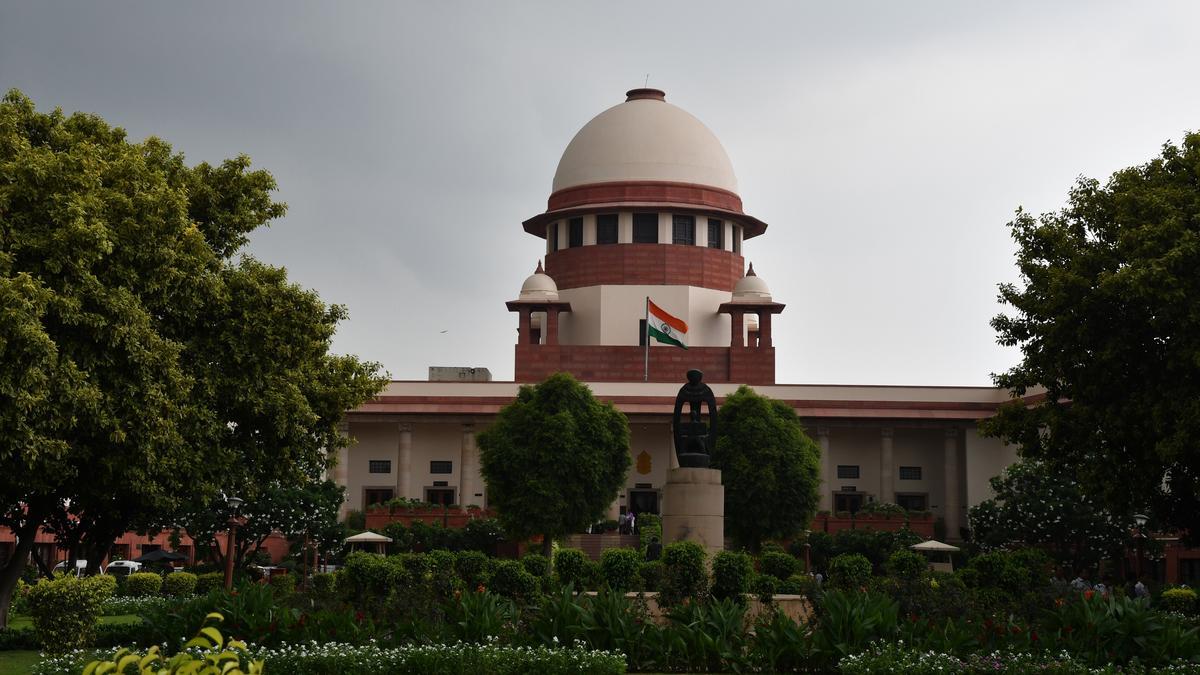
The Supreme Court on Monday refused to take up a suit filed by the Telangana government seeking to restrain Andhra Pradesh from proceeding with the Polavaram–Banakacherla/Nallamalasagar Link Project, citing procedural deficiencies in the filing. A Bench of Justices Vikram Nath and Sandeep Mehta observed that the suit could not be heard until the requisite formalities were fulfilled.
“This matter cannot be taken up by the court today as there are some deficiencies and formalities to be fulfilled by the petitioner,” the Bench noted. The court clarified that the matter would be listed once the procedural requirements were complied with. Senior advocate Abhishek Manu Singhvi, appearing for Telangana, submitted that the defects would be cured and requested the matter be re-listed thereafter.
The dispute centres on Andhra Pradesh’s proposal to divert surplus Godavari River waters from the Polavaram reservoir to the drought-prone Banakacherla region in Rayalaseema. Andhra has described the project as a major initiative to improve irrigation, augment drinking water supply, and recharge groundwater in water-scarce areas.
Telangana has consistently opposed the plan, arguing that it would encroach on its lawful share of Godavari waters and violate the award of the Godavari Water Disputes Tribunal. According to Telangana, the tribunal’s award governs water allocation among basin states, and any unilateral diversion by Andhra without following prescribed legal processes is impermissible.
This is not Telangana’s first challenge to the project. In January, the state withdrew a writ petition after the Supreme Court expressed a prima facie view that it was not maintainable. A Bench led by Chief Justice Surya Kant then granted Telangana liberty to pursue other remedies, including a suit under Article 131 of the Constitution, which deals with disputes between states. The Chief Justice had observed that a suit under Article 131 would be a “more comprehensive and effective” remedy since the controversy is essentially an inter-state water dispute.
Telangana has also contended that the project contradicts the Andhra Pradesh Reorganisation Act, 2014, which envisages cooperative federalism and equitable utilisation of shared water resources following the state’s bifurcation. The matter is now expected to be re-listed after Telangana cures the procedural defects.







