PM Modi and President Trump Hold First Meeting Since Trade Tensions
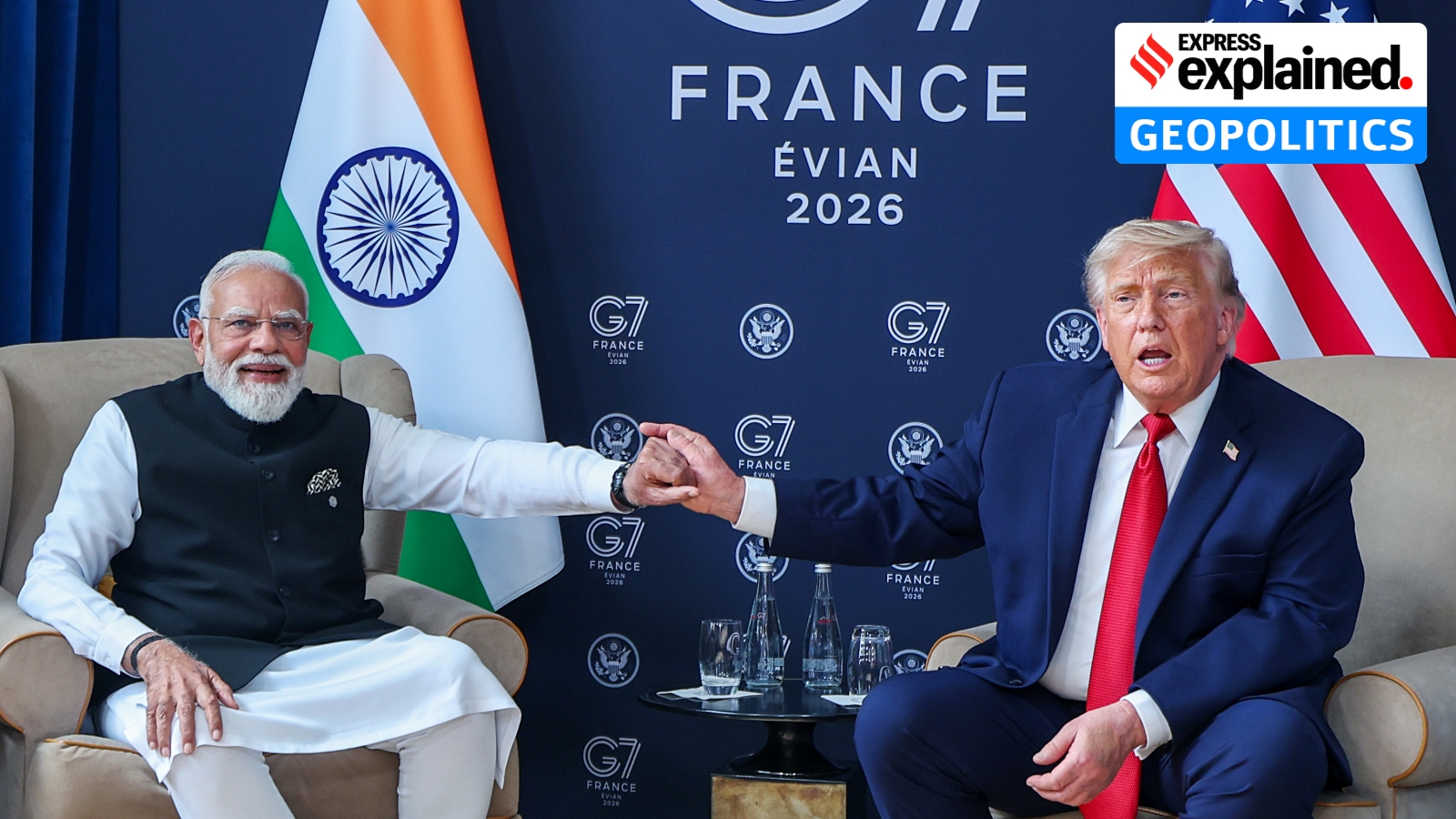
Prime Minister Narendra Modi and US President Donald Trump met on the sidelines of the G7 summit in Evian, France, on Wednesday. The meeting was their first bilateral interaction in 16 months, following a period of strained relations marked by trade disputes and disagreements over international conflicts.
During their last meeting at the White House in February of the previous year, both sides had discussed a trade deal aimed at lowering tariffs and set a bilateral trade target of $500 billion. However, subsequent months saw relations deteriorate.
A key flashpoint was the ceasefire between India and Pakistan. Trump claimed he had brokered the ceasefire, but Modi rejected this assertion during a phone call. Pakistan pursued closer ties with the Trump administration, thanking the President for the ceasefire and negotiating deals involving cryptocurrency and critical minerals with his family members.
In August, the US imposed 50% tariffs on India—25% in response to Indian tariffs on US products and 25% for India's purchase of Russian oil. This compelled India to reduce its energy imports from Russia, though the US later issued a sanctions waiver. In September, the US raised the annual fee for H1-B visas to $100,000, making it costly for tech companies to hire Indian professionals. A US judge later struck down the fee, but the administration is expected to appeal.
Despite these tensions, India maintained diplomatic engagement with the US. By February, India and the US had agreed on a framework for a trade deal. India also reduced its imports from Russia, signaling compliance with US sanctions. Modi supported Trump's efforts to broker ceasefires in Gaza and between Russia and Ukraine.
In late February, a conflict broke out between the US and Israel against Iran. Iran responded by effectively closing the Strait of Hormuz, causing a global energy shock that affected India's energy security and economy. In May, US Secretary of State Marco Rubio visited Delhi to repair bilateral ties. However, tensions rose again after the US navy killed three Indian seafarers in the Gulf, and Rubio's response was seen as inadequate by Indian officials.
The Modi-Trump meeting on Wednesday reflected the volatile context. Trump was conciliatory towards Modi, did not press the issue of the seafarers' deaths, maintained a welcoming stance on skilled Indian professionals, and offered security support for India. India's assessment is that Trump is willing to manage China independently and does not require allies for this purpose.
The meeting signals a potential easing of tensions, though Trump's unpredictable approach remains a factor for India's foreign policy calculus.