Parliament Passes Anti-Paper Leak Bill; Supreme Court Judges Amendment on Day 10 Agenda
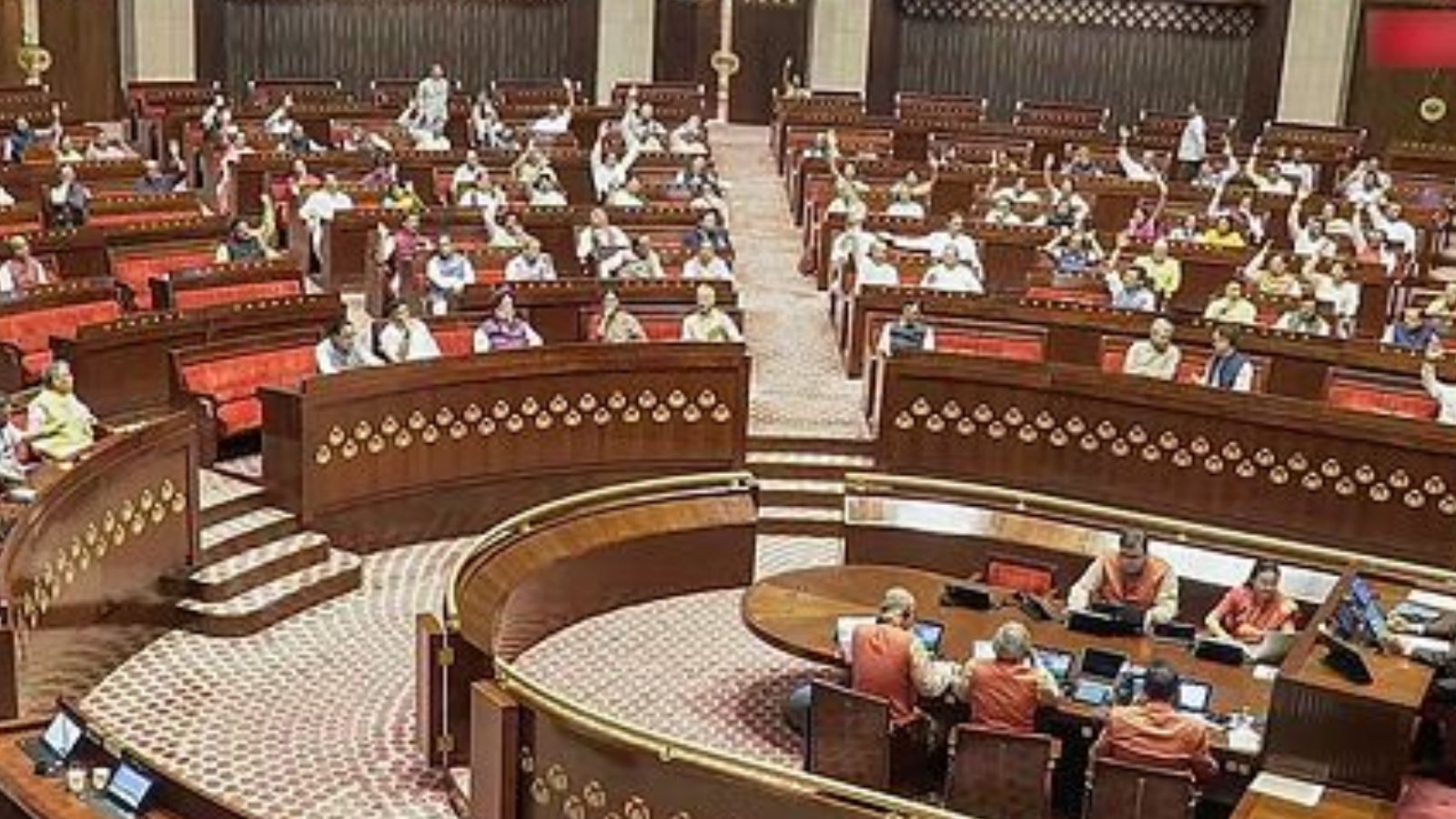
The Monsoon Session of Parliament enters its tenth day on Friday, with the Lok Sabha scheduled to take up the Supreme Court (Number of Judges) Amendment Bill, 2026, for consideration. Union Minister Arjun Ram Meghwal is expected to move the Bill, which proposes an increase in the strength of judges in the apex court.
The day’s legislative agenda also includes the Registration of Births and Deaths (Amendment) Bill, to be moved by Home Minister Amit Shah. Additionally, the House will take up the Joint Committee’s report on the Constitution (130th Amendment) Bill, the Jammu and Kashmir Reorganisation (Amendment) Bill, and the Government of Union Territories (Amendment) Bill, 2025.
These deliberations come a day after both Houses of Parliament passed the Public Examinations (Prevention of Unfair Means) Amendment Bill, 2026, a legislation designed to curb paper leaks and malpractices in competitive examinations.
The Rajya Sabha cleared the Bill on Thursday night by voice vote, following the Lok Sabha’s approval earlier in the day. The passage was marked by a walkout by Opposition members. The Bill now awaits the President’s assent to become law.
The amended legislation provides stringent penalties for those involved in examination fraud. Individuals found guilty of paper leaks or unfair practices will face a jail term of five to ten years and a fine of up to ₹50 lakh. For organised paper leak rackets, the law mandates a minimum imprisonment of seven years and a fine of up to ₹10 crore.
The law empowers states and Union Territories to designate Sessions Courts as special fast-track courts to adjudicate offences under the Act. It also makes day-to-day hearings compulsory and sets a timeline of three months for the completion of trials from the date of filing of the charge sheet.
The legislation is seen as a response to recurring incidents of paper leaks in various states, which have disrupted the examination cycle and affected the academic prospects of numerous students. The government has argued that strong punitive measures are necessary to restore confidence in the public examination system.
Prime Minister Narendra Modi, in a late-night video message after the Rajya Sabha passage, underscored the need for reforming the education and examination system. He said paper leaks had threatened the future of students and had been a persistent challenge for both the Centre and states. The Prime Minister stated that the government is committed to building a robust, technology-driven examination infrastructure to prevent such incidents.
The Public Examinations Bill is one of several key legislations taken up during the ongoing Monsoon Session. The Supreme Court (Number of Judges) Amendment Bill, if passed, will amend the Supreme Court (Number of Judges) Act, 1956, which currently sets the maximum number of judges at 34, including the Chief Justice of India. The proposed amendment is intended to enhance the Court’s capacity to handle a growing caseload.
Friday’s parliamentary business also includes the consideration of the Joint Committee’s report on the Constitution (130th Amendment) Bill, as well as amendments related to the reorganisation of Jammu and Kashmir and the administration of Union Territories. The details of these bills were not immediately available, but they are part of the government’s broader legislative agenda.
As the session progresses, Parliament is expected to continue addressing a range of legislative matters. The Opposition’s walkout during the paper leak Bill’s passage highlights the ongoing tensions between the ruling and Opposition benches on certain legislative priorities. However, both sides have expressed commitment to ensuring the smooth functioning of the house on other issues.


