Over 78 lakh names excluded in Haryana, Andhra draft voter rolls; claims window opens July 31
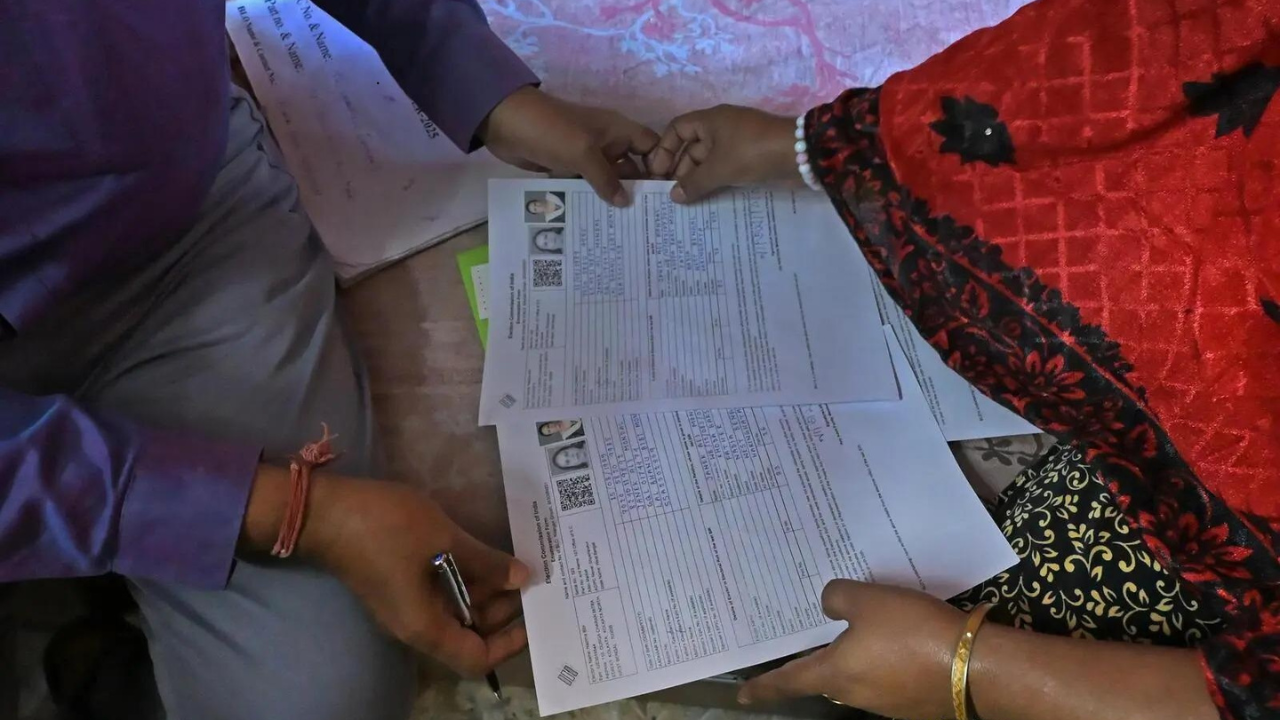
Draft electoral rolls for Haryana and Andhra Pradesh, published on Friday as part of the third phase of the Special Intensive Revision (SIR), show that 16.4% of Haryana's electorate and 10.8% of Andhra Pradesh's electorate have been excluded. Combined, over 78 lakh names have been struck off in the two states. This is part of a multi-phase revision exercise being conducted by the Election Commission across the country.
In Haryana, the draft roll now contains 1.7 crore electors, down from 2.1 crore at the start of the revision on May 14. The deletion of 33.8 lakh names includes 7.7 lakh (3.7%) marked as deceased, 24.1 lakh (11.7%) as permanently shifted, absent or untraceable, and 2 lakh (1%) as enrolled at more than one place. This means the draft roll retains 83.6% of the original electorate.
Andhra Pradesh's draft roll lists 3.7 crore electors after 44.9 lakh names were removed from the initial 4.2 crore. Of those excluded, 3.7% were found deceased, 5.3% were permanently shifted, absent or untraceable, and 1.8% were enrolled at multiple places, according to the published data. The non-submission of enumeration forms by 10.8% of electors resulted in their names being deleted, though the reasons vary.
The deletions are part of a routine but significant exercise to clean up electoral rolls. During the enumeration phase, booth-level officers (BLOs) conduct door-to-door verification of every household. In both states, a large portion of the excluded names fell under the category of "permanently shifted, absent or untraceable," indicating that voters may have moved to other states or changed residences without updating their details. The data also shows that a small percentage of names were removed due to multiple enrollments, which are typically duplicates across different constituencies.
State election officials, including Andhra Pradesh Chief Electoral Officer Vivek Yadav and Haryana CEO A Srinivas, attributed the non-collection of enumeration forms to several reasons. These include electors having enrolled in another state or union territory, not being found by BLOs during verification, failing to submit the required forms by the July 24 deadline, or simply not willing to register as electors. The officials said these factors were identified during the field verification process. The officials also noted that the figures are based on ground-level verification and are not arbitrary.
The draft rolls are not final. Genuine electors whose names were deleted can be added back during the claims and objections period, which will run from July 31 to August 30. They need to fill out Form 6, along with the prescribed declaration form, to register their claim. This is a standard provision in the electoral rules to prevent disenfranchisement due to errors or incorrect field verification.
The Special Intensive Revision is carried out periodically by the Election Commission to ensure accurate and up-to-date voter lists. The process involves fresh enumeration and verification, followed by the addition of eligible voters and removal of ineligible or duplicate entries. The final electoral rolls are typically published after the claims and objections are disposed of. This ensures that the electoral list reflects the current population and eliminates bogus or ineligible entries.
While the scale of deletions has drawn attention, officials have emphasised that the exercise is data-driven and follows due procedure. They have urged voters to check the draft rolls and submit claims if their names have been erroneously removed. With the claims window open from July 31, affected individuals have a clear pathway to ensure their voting rights are protected. The final electoral roll will be published after the claims are resolved.


