OpenAI Launches GPT-5.6 Sol, Terra and Luna – But Only US-Approved Users Can Access Them
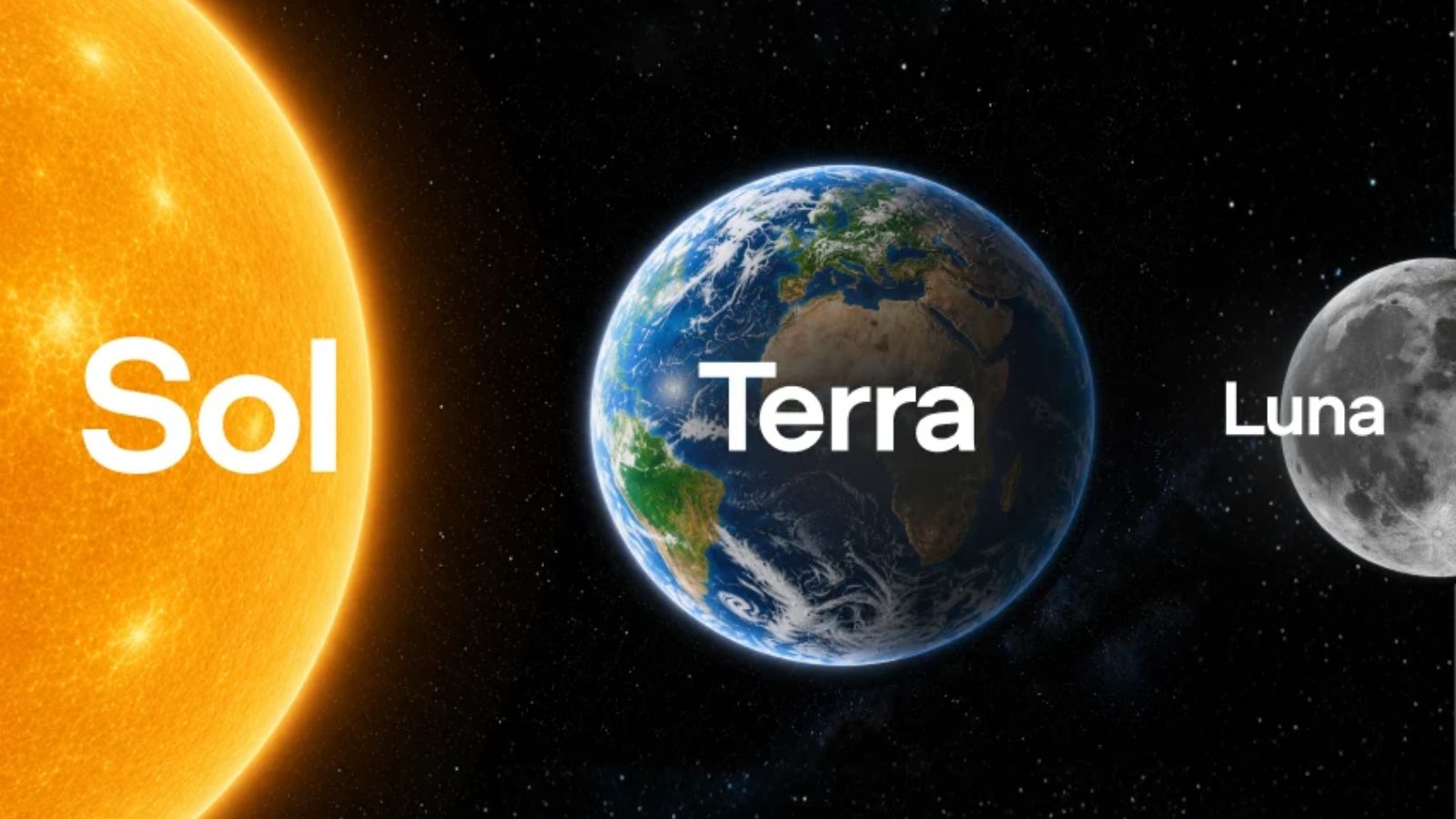
OpenAI has unveiled its next-generation GPT-5.6 family of AI models, but for the first time, the company's most advanced AI models will be out of reach for almost everyone. The new lineup includes three model versions: Sol, the flagship model; Terra, a mid-tier version for everyday use; and Luna, a fast and affordable option.
According to OpenAI, GPT-5.6 Sol is the best-performing model based on benchmarks related to cybersecurity, biology, and agentic abilities. It features a 'layered safeguard stack' to prevent misuse, such as cyberattacks. However, the public release of these models has been delayed indefinitely at the request of the US government, OpenAI said in a blog post on Friday, June 26. Only a small set of pre-approved customers can access them.
OpenAI stated it is working with the Trump administration to gradually expand access to a wider set of customers, including international partners, from next week. The criteria for government approval remain unclear, with OpenAI executives noting that the company sends a list of potential customers to the government and receives feedback, according to a report by Wired.
OpenAI is the second frontier AI lab, after Anthropic, to face such restrictions. This has raised concerns about an uncertain regulatory environment in the US AI industry, with experts questioning the extent of government power over AI model releases. OpenAI expressed displeasure, saying, 'We don't believe this kind of government access process should become the long-term default.' It added that the short-term step is intended to enable broader availability in the coming weeks while working on a repeatable process for future releases.
OpenAI CEO Sam Altman described the process as 'not optimal' but noted, 'We want to be a reliable partner and live by our mission of benefiting all of humanity.' The models are named after celestial bodies: Sol (Sun), Terra (Earth), and Luna (Moon). GPT-5.6 Sol has two modes: 'max' reasoning effort and 'ultra' using coordinated sub-agents. It outperformed Anthropic's Claude Mythos 5 on coding benchmarks while using fewer output tokens.