OpenAI Alumnus Shyamal Anadkat Leaves Silicon Valley, Moves to India to Build AI Ecosystem
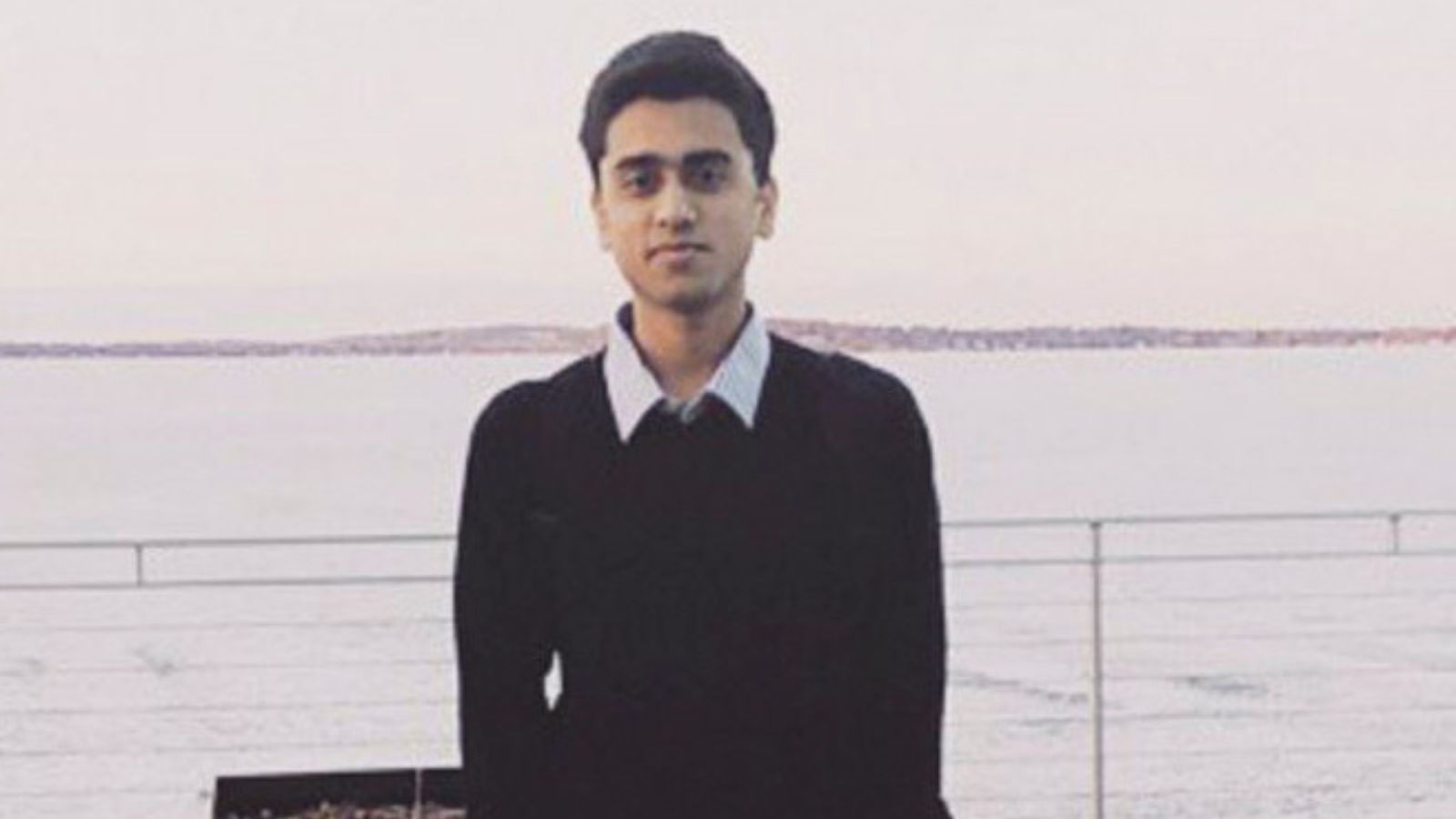
Shyamal Anadkat, a former researcher at OpenAI, has announced his return to India after spending nearly four years working in the San Francisco Bay Area. Anadkat, who led OpenAI's Applied Evals team, shared his decision on social media, stating that he left OpenAI earlier this year and relocated to India. He has since been engaging with researchers, engineers, and entrepreneurs across India and the Asia-Pacific region.
"After close to four years at OpenAI, I moved from the Bay Area to India earlier this year. I still believe deeply in ensuring true superintelligence accelerates science and remains accessible and beneficial to all," Anadkat wrote on X (formerly Twitter). During his tenure at OpenAI, he worked on evaluating and improving the performance and safety of AI systems, a period marked by rapid advances in generative AI technologies.
Explaining his decision to return, Anadkat noted his strong connection to India's technology ecosystem. "Having grown up here, I’ve also always felt deeply connected to the ecosystem here," he wrote. Since returning, he said he has spent weeks speaking with researchers and innovators across India and APAC. Those conversations convinced him that there is growing momentum among individuals who want to shape the future of AI from within the region.
"Over the past several weeks, I’ve been speaking with researchers, engineers, and thinkers across India and APAC. It’s become clear that there are many who want to build the future from here," Anadkat wrote.
Anadkat acknowledged that moving away from Silicon Valley might still be viewed as unconventional by many in the technology industry, especially for professionals at the cutting edge of AI research. However, he argued that this perception is changing. "Moving back felt like the counterintuitive choice. I no longer think that’s true," he wrote.
According to Anadkat, the primary challenge facing India's AI ecosystem is not a lack of talent or opportunity, but a shortage of belief that globally influential institutions can emerge from outside traditional technology hubs. "What’s been missing is the belief that you can build institutions of global consequence from anywhere. And more importantly, the ambition and the will to pursue ideas that seem impossibly large at first," he wrote.
Describing the current period as a "once-in-a-generation opportunity," Anadkat suggested that India could play a larger role in shaping the future of artificial intelligence if it embraces long-term ambition and institution-building.
The post received widespread reactions on social media. One user commented, "This is the right move, because India deserves to be the primary beneficiary of its intellectual capital. India is the future." Another wrote, "You can probably build from anywhere. But you can sell only from somewhere." A third user, who also moved back, said, "Moved a couple of years back for the same reasons. Have been trying a few things and trying more. Happy to connect and engage."