NTA Tightens Security: Safeguarding Exam Paper From Printing to Distribution
The National Testing Agency (NTA) has implemented stringent security measures to protect the entire process of examination paper creation, from printing to distribution, according to officials familiar with the matter. The move comes amid concerns over leaks and malpractices that have plagued competitive exams in recent years.
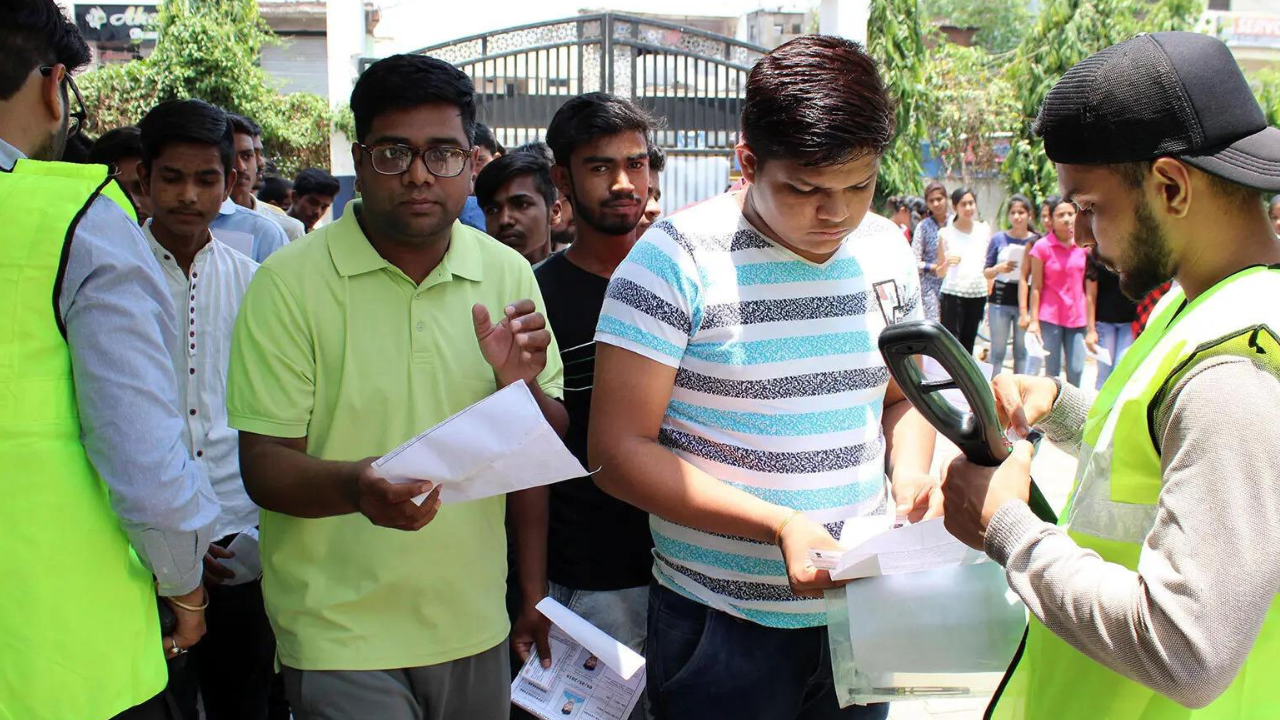
The NTA, which conducts major entrance exams such as JEE Main, NEET UG, and UGC NET, has introduced multiple layers of surveillance and protocol. The printing facilities are now under 24/7 CCTV monitoring, and access is restricted to authorised personnel only. Additionally, the transportation of question papers is tracked using GPS-enabled vehicles with escorts.
"We are not only guarding the paper but also the entire process of its creation," said a senior NTA official who spoke on condition of anonymity. "Every step, from the formulation of questions to the final delivery to exam centres, is monitored to ensure zero compromise on integrity."
The measures include randomised selection of printing presses, strict background checks on employees involved, and digital watermarks on question papers to trace the source of any leak. The NTA has also deployed its own security teams to oversee the process, rather than relying solely on private vendors.
These steps were taken after incidents in 2020 and 2021 where question paper leaks disrupted exams. The NTA has also implemented a zero-tolerance policy for any security breach, with criminal prosecution for those found guilty.
Education experts have welcomed the move but caution that constant vigilance is required. "The NTA is handling millions of students' futures. Such security measures are necessary to restore and maintain public trust," said Dr. Ravi Kumar, a policy analyst. Others have called for transparency in the process to prevent unintended errors.
The NTA, under the Ministry of Education, conducts over 30 exams annually, with millions of applicants. The new security framework is expected to be in place for all upcoming exams in 2024.
Officials confirmed that a mock drill simulating a leak scenario was successfully conducted last month, and feedback from students and stakeholders has been positive regarding the increased security.