COP17 unveils global drought resilience index and investment facility
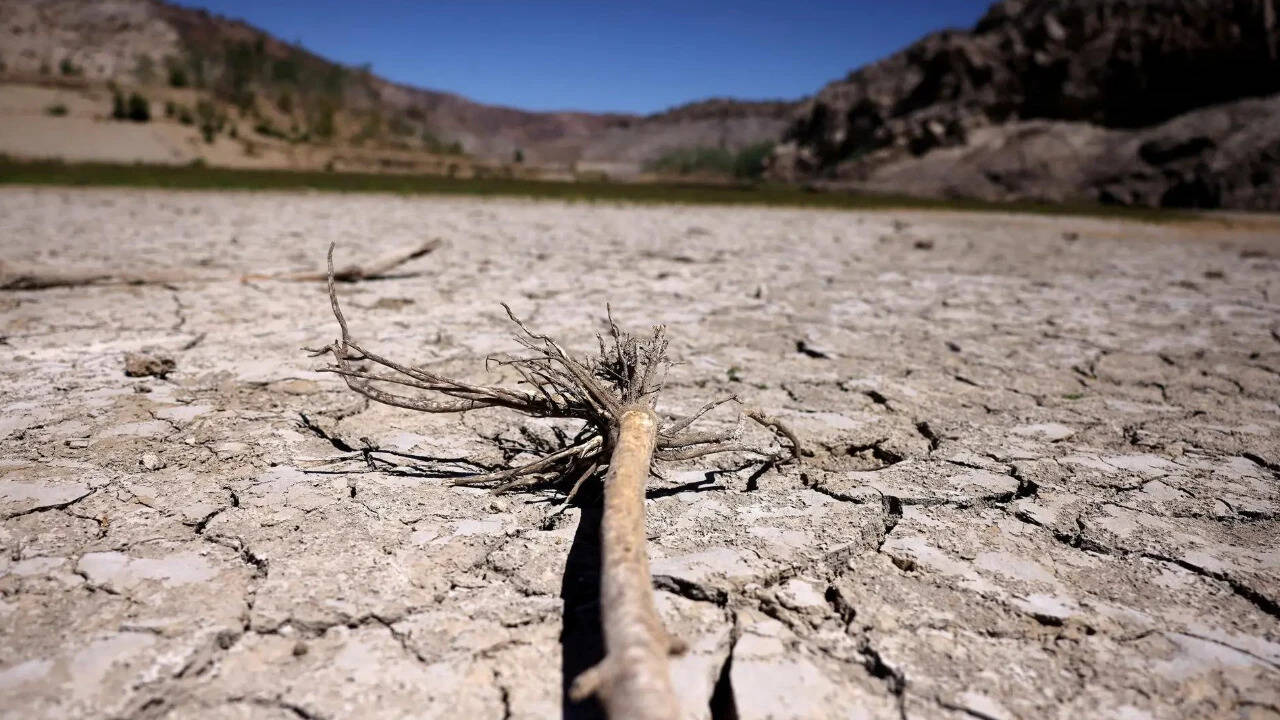
NEW DELHI: With projections indicating that three out of four people worldwide could face drought by 2050, the United Nations Convention to Combat Desertification (UNCCD) took a significant step at its 17th Conference of Parties (COP17) on Wednesday. The conference showcased the world's first Drought Resilience Index (DRI) and launched the Drought Resilience Investment Facility (DRIF), advancing a new global architecture for drought resilience.
The Drought Resilience Index is a technical tool designed to help countries assess their capacity to anticipate, prepare for, and adapt to drought. Powered by artificial intelligence, it enables policymakers, technical experts, and the public to interpret complex data and turn it into practical insights. By identifying vulnerabilities, the index informs more effective policies and investments, moving beyond reactive measures to proactive planning.
Complementing the index, the Drought Resilience Investment Facility serves as the first global catalytic financing platform dedicated to drought resilience. It uses public capital to reduce investment risks, unlocking larger flows of institutional and private finance for projects that strengthen water security, sustainable agriculture, nature-based solutions, and land restoration. This financing mechanism aims to bridge the gap between commitment and implementation, ensuring that resources reach the ground where they are needed most.
UNCCD Executive Secretary Yasmine Fouad emphasised the shift from commitments to action. "COP17 is about turning commitments into implementation. We now have stronger financing mechanisms, better tools and practical guidance to help countries prepare for drought before it becomes a crisis," she said. "The task now is to connect these pieces and put them to work at scale, through governments, development partners, financial institutions and the private sector."
India, represented by a team led by Union Environment Minister Bhupender Yadav, advocated for a fundamental shift in the global approach to drought. Speaking at COP17 on Tuesday, Yadav called for moving from "reactive relief to proactive technology-enabled resilience." Underlining India's position that drought must be managed as a predictable, preventable risk rather than a recurring disaster demanding emergency response, he said, "Preparedness over response, prevention over crisis management, resilience over recovery should be the goal."
The initiatives launched at COP17 signal a growing international consensus on the need for integrated, data-driven, and well-financed strategies to address drought. By combining technological innovation with targeted investment, the new architecture aims to equip nations with the tools to safeguard livelihoods, ecosystems, and economies against an increasingly water-scarce future.