No Misuse of Anti-Defection Law: PP Chaudhary Details Challenges in One Nation, One Election Plan
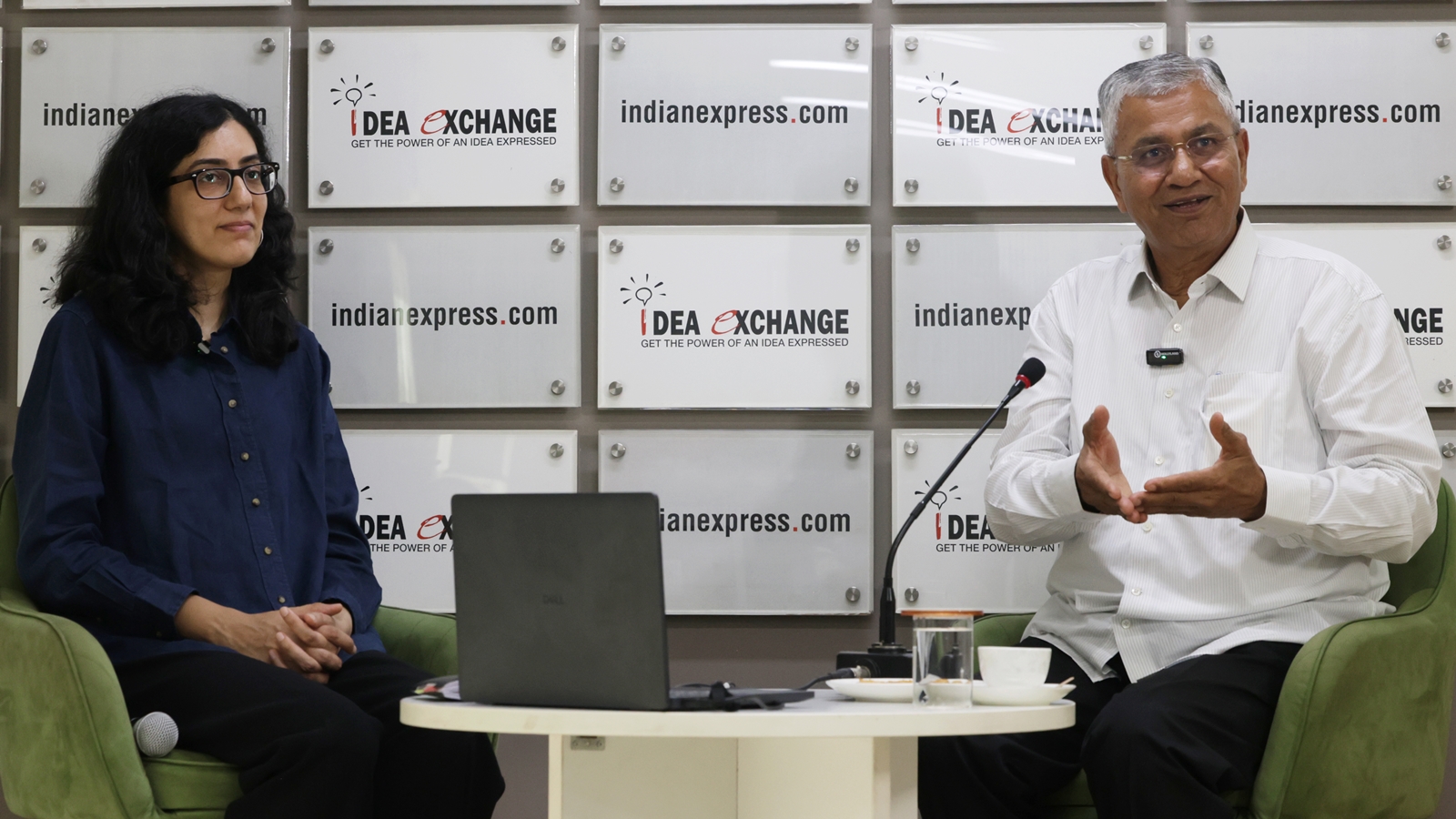
PP Chaudhary, senior advocate and Lok Sabha MP, who chairs the Joint Parliamentary Committee (JPC) on the 'One Nation, One Election' Bills, said the panel is examining ways to prevent the anti-defection law from being misused by either the ruling or opposition side. Speaking at The Indian Express's Idea Exchange, Chaudhary outlined several constitutional and practical hurdles in synchronising elections across the country.
The JPC has held 18 meetings and consulted various stakeholders. The government's proposal, based on the report of a High-Level Committee chaired by former President Ram Nath Kovind, aims to hold simultaneous elections for the Lok Sabha and state assemblies. However, Chaudhary noted that the Bill has inconsistencies that need to be addressed. For instance, Article 82A(5) of the Bill allows the Election Commission to postpone a state election if it believes it cannot be conducted, but does not specify the basis for such an opinion or the maximum duration of postponement.
A larger challenge, Chaudhary said, is maintaining synchronisation over decades. If a Prime Minister or Chief Minister advises dissolution of the House prematurely, the President or Governor is ordinarily bound to accept that advice. The committee is exploring whether an alternative majority government should be formed before dissolution to avoid disturbing the election cycle. “We do not want the anti-defection law to be misused by either side,” he emphasised.
To prevent governments from falling prematurely, the committee is studying models from other countries, such as Germany's constructive vote of no confidence, where a no-confidence motion must be accompanied by a proposal for an alternative government. Japan's model is also under consideration. Chaudhary suggested that if political actors know that a fresh election would only result in a government serving the remainder of the original term (e.g., one year), it could act as a deterrent against destabilising governments.
Another scenario being examined is when no government can be formed due to a deadlock. In such cases, Parliament might exercise the powers of the state legislature for a limited period, similar to emergency arrangements. On the timeline, the government's appointed date suggests the first simultaneous election could occur in 2034. The committee is considering a phased introduction, though specific details were not disclosed.
Chaudhary stressed that the JPC's role is to recommend changes, and it can propose amendments to constitutional provisions. The panel continues to gather inputs from experts and political parties before finalising its report.