Parliament Monsoon Session Ends in Deadlock Over Student Protests, NEET Issue
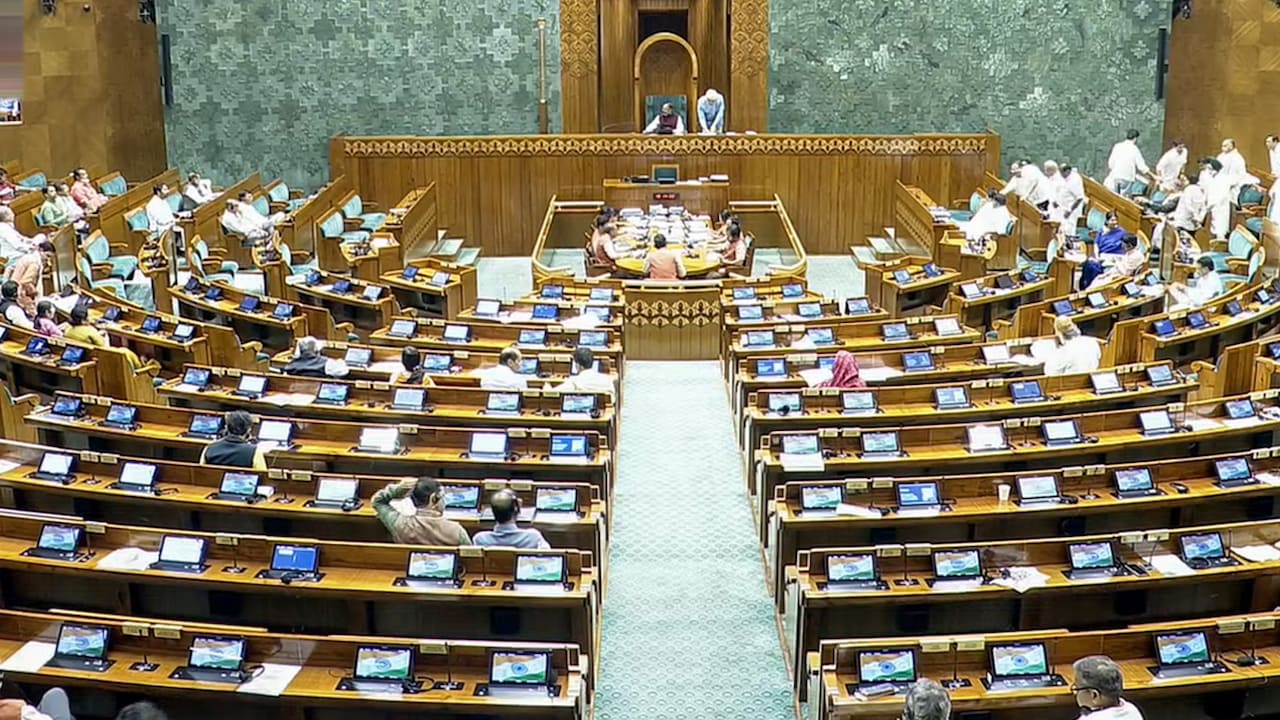
The final day of Parliament's Monsoon Session began on Thursday amid continued deadlock between the ruling government and the opposition over student protests and the NEET paper leak issue. The session, which commenced on July 20, has witnessed repeated disruptions in both the Lok Sabha and the Rajya Sabha.
According to official records, the government attempted to facilitate a debate in the Lok Sabha on Wednesday on the students' agitation. Home Minister Amit Shah proposed a two-day discussion covering the NEET paper leaks and related issues, followed by his reply. However, opposition parties rejected the proposal, leading to another day of adjournment.
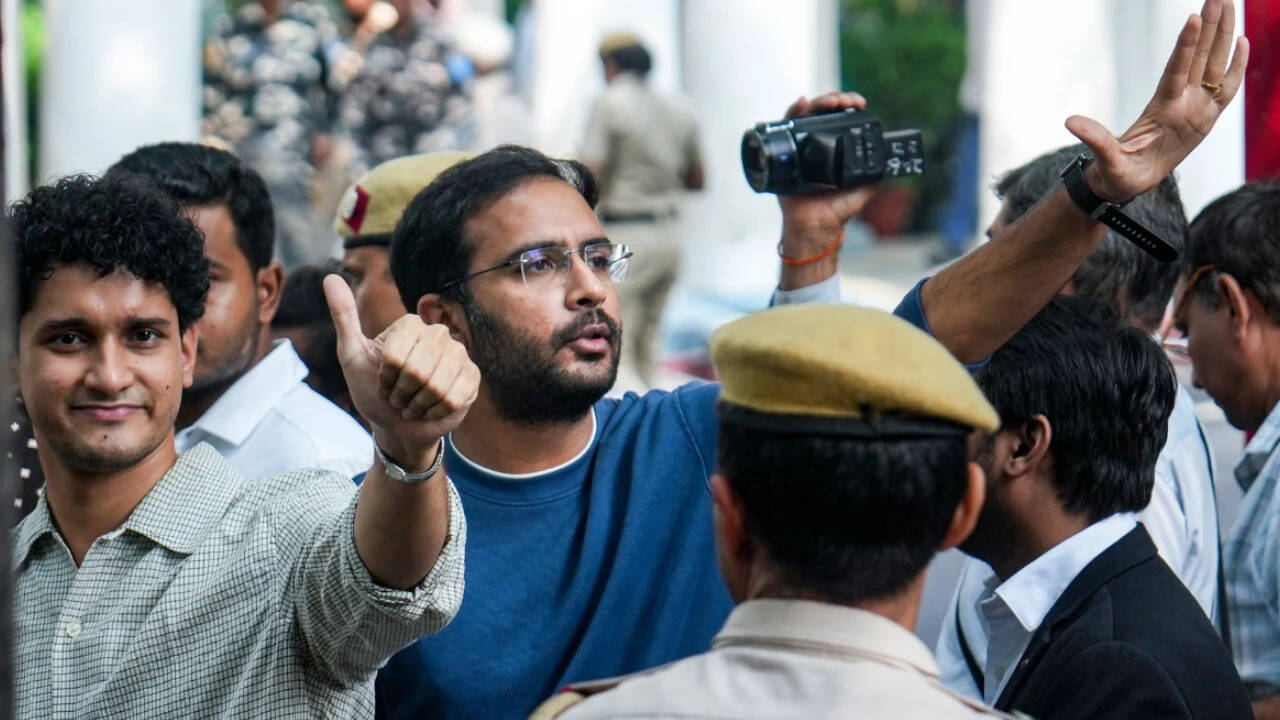
The opposition's initial protests centred on two issues: the alleged leak of the NEET examination paper and an alleged theft of donations at the Ram temple in Ayodhya. Subsequently, the opposition also demanded a discussion on the police action against students demonstrating over the NEET paper leak. They insisted on the presence of Prime Minister Narendra Modi and Home Minister Amit Shah in the House to make statements.
The government, for its part, maintained that a structured debate should take place under parliamentary rules. The Home Minister's offer was seen as an attempt to break the impasse, but the opposition's rejection means the session is likely to conclude without any substantive legislative or deliberative progress on these issues.
Political analysts note that the deadlock reflects the broader adversarial pattern in Indian parliamentary democracy, where frequent disruptions have become a cause for concern. Several legislative bills that were scheduled for consideration during this session may now lapse or be carried over, depending on the rules of the respective Houses.
As the day progresses, both Houses are expected to be adjourned again unless a last-minute agreement is reached. The presiding officers have urged all parties to allow the House to function, but no breakthrough has been reported so far.
The Monsoon Session is a crucial part of India's parliamentary calendar, typically used for legislative business and discussions on policy matters. This year's session, however, has been largely unproductive due to the persistent standoff. Observers point out that the issues of student safety, examination integrity, and accountability are significant public concerns that warrant careful parliamentary scrutiny.
The NEET paper leak allegations have raised questions about the examination process and its impact on millions of aspiring medical students. Similarly, the police action against student protesters has sparked a national debate on the right to peaceful protest and the responsibilities of law enforcement. Both matters involve constitutional principles of justice, fairness, and the right to dissent.
In the interest of democratic functioning, it is essential for the government and the opposition to find common ground. The public expects their elected representatives to debate and decide on matters of national importance, rather than allowing sessions to be wasted on procedural standoffs.
As the final day unfolds, the nation watches to see whether Parliament can rise above partisan differences and address the issues that matter to citizens. The outcome of today's proceedings will set a precedent for how future parliamentary sessions handle contentious subjects.