NFHS-6 Drops Anaemia and Sanitation Indicators: What It Means for Public Health Policy
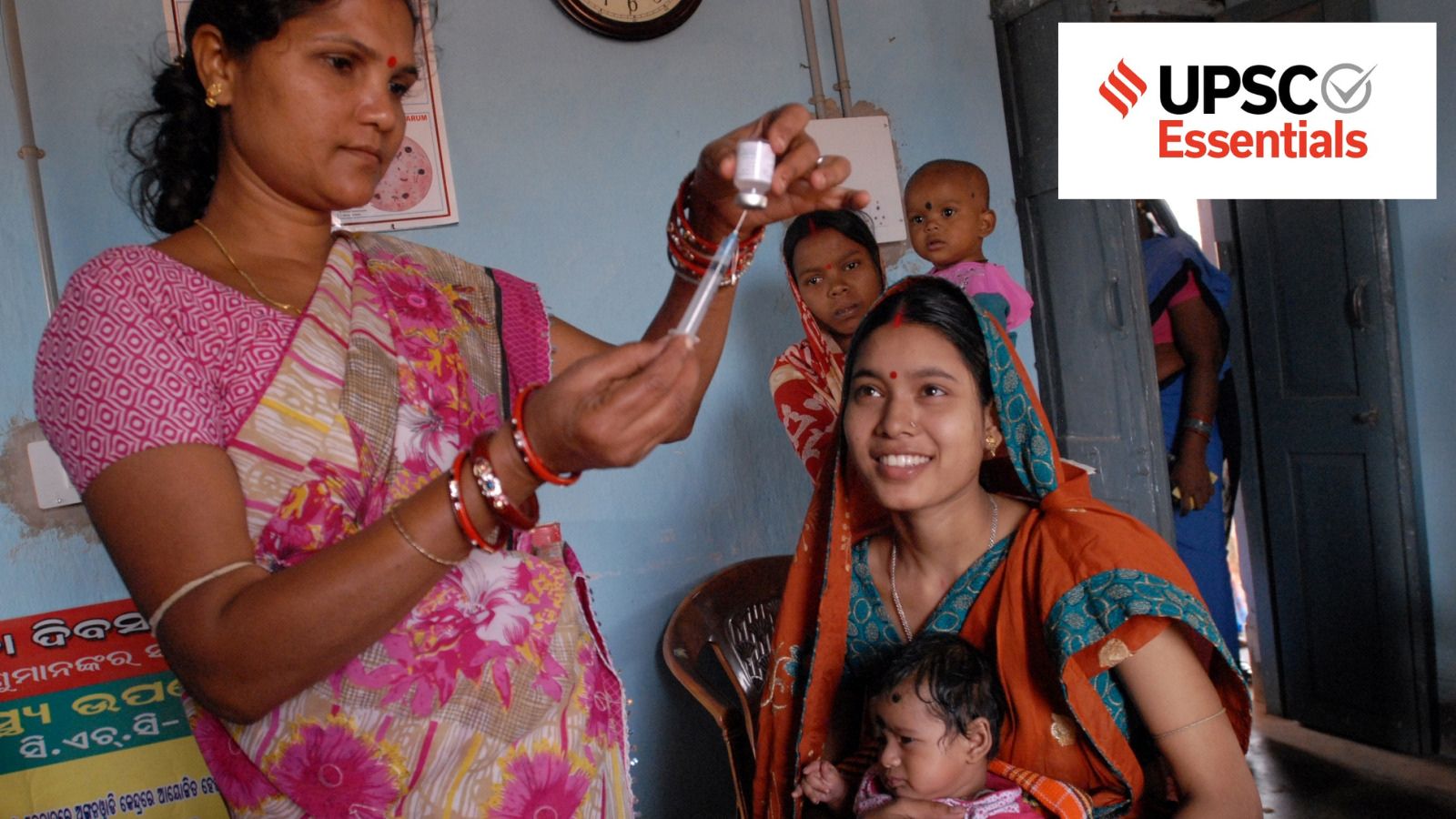
India continues to have the highest number of anaemic populations in the world. Anaemia, a condition marked by deficiency of red blood cells, disproportionately affects vulnerable groups like children and women. The most common cause is iron deficiency due to lack of nutritious diet.
However, the National Family Health Survey (NFHS-6) has dropped indicators on anaemia, sanitation, and clean cooking fuel. A total of 43 important indicators that were part of earlier NFHS datasets have been omitted in NFHS-6. Among these are health and sanitation measures such as anaemia estimates, child mortality, sex ratio at birth, sanitation, and clean cooking fuel access.
Since reliable data are important for policymakers, the omission of these indicators could constrain the ability to evaluate the state of public health and social development in India. To understand the impact, it is necessary to look at the history and significance of the NFHS.
The National Family Health Survey provides information on fertility, family planning, maternal and child health, reproductive health, nutrition, and anaemia. First launched in 1992, NFHS is part of the global Demographic and Health Survey (DHS) programme run by the United States Agency for International Development (USAID). The first round (NFHS-1) in 1992-93 was conducted under the Ministry of Health and Family Welfare, with the Indian Institute of Population Studies (IIPS) as the nodal agency. It generated national and state-level data on fertility, family size preferences, and family planning.
NFHS-2 (1998-99) added new topics, including reproductive health, women's autonomy, domestic violence, women's nutrition, anaemia, and salt iodization. The Pokhran tests delayed its launch. NFHS-3 (2005-06) continued with similar issues and introduced a men's questionnaire. Subsequent surveys—NFHS-4 (2015-16), NFHS-5 (2019-21), and NFHS-6 (2023-24)—have carried on the tradition.
In recent years, fertility debates in India and globally have shifted towards a 'fertility crisis'. Fertility rates worldwide have fallen. NFHS-6 data show India's Total Fertility Rate (TFR) stabilised at 2.0, below the replacement level of 2.1. In urban India, TFR is 1.6; in rural India, it is 2.1, with regional variations: Bihar and Uttar Pradesh have TFR around 2.7 and 2.2, while Assam and Kerala have 1.6 and 1.8.
Adolescent fertility remains a concern. NFHS-6 finds 6.7% of women aged 15-19 years were either mothers or pregnant at the time of the survey—a marginal decline from 6.8% in NFHS-5. However, the NFHS-6 factsheet does not contain direct data on the adolescent fertility rate. The omission of key indicators like anaemia and sanitation raises questions about the government's ability to track progress on health and social development. Policymakers rely on such data to design and evaluate interventions. Without these metrics, it becomes harder to address persistent public health challenges.