New Study Suggests Bronze Age Seahenge Built to End Harsh Winters
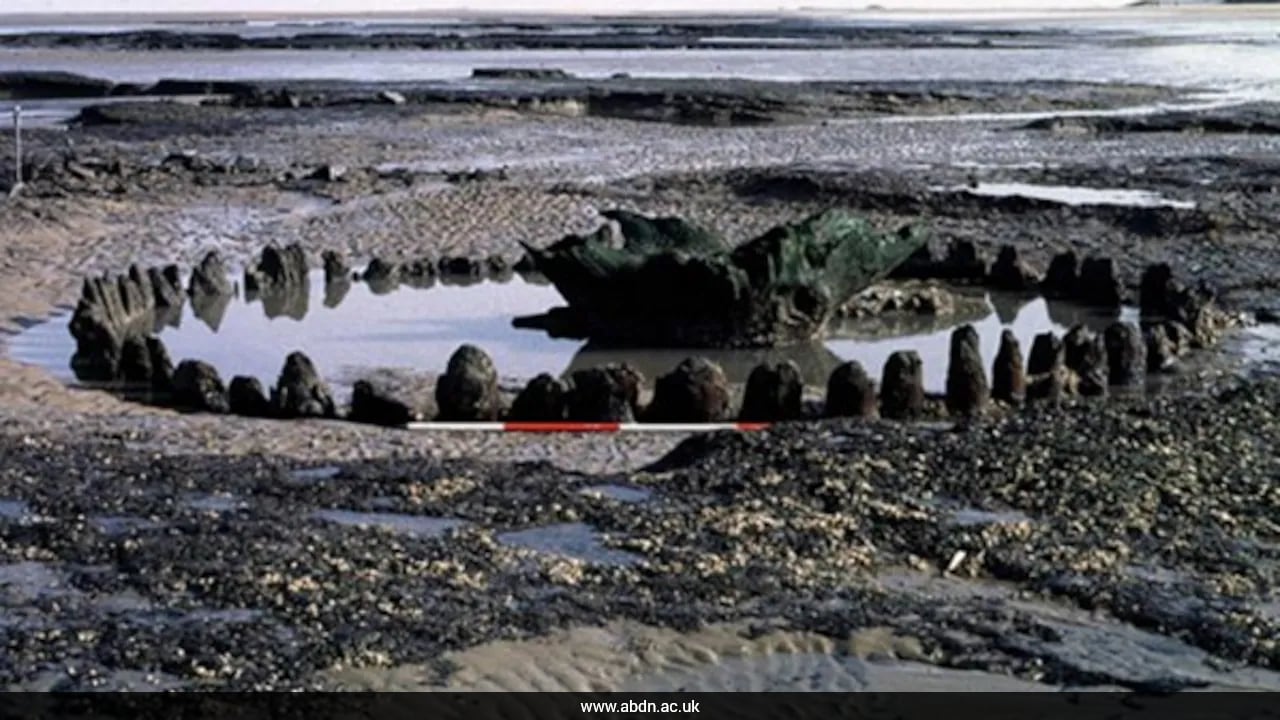
A recent study proposes that Seahenge, the ancient timber circle discovered on a Norfolk beach, was constructed as part of rituals aimed at combating a period of severe cold weather in Bronze Age Britain.
Dr David Nance of the University of Aberdeen published his findings in the journal GeoJournal, focusing on Holme I, commonly known as Seahenge, and a nearby site called Holme II. Both structures were built around 2049 BC and were uncovered on Holme-next-the-Sea beach in 1998 after being buried for centuries under shifting sand and peat.
Seahenge consists of an upturned tree stump surrounded by 55 tightly packed oak posts. It was originally constructed on a saltmarsh, sheltered from the sea by dunes and mud flats, and later preserved beneath a layer of peat.
Previous theories suggested the site was used for burials or "sky burials," where bodies were left for birds to consume. Dr Nance, however, argues that the timbers were felled in spring and aligned with sunrise on the summer solstice. This timing coincides with a period when Britain experienced falling temperatures and severe winters.
He believes Seahenge was designed to imitate a folk tale about trapping an unfledged cuckoo, a bird associated with fertility, to prevent it from flying away and taking summer with it. The ritual may have been intended to restore warmth and end the cold.
For Holme II, Dr Nance points to legends of "sacred kings" from Iron Age Ireland and Britain, who were said to be sacrificed when misfortune struck their community. He suggests that people at Holme-next-the-Sea performed ritual sacrifices every eight years at Samhain, timed with the appearance of Venus, in an effort to restore balance and end the prolonged cold.
Although the two monuments appear to have served different purposes, Dr Nance states that both were built with the same underlying aim: to bring an end to the extreme cold gripping Bronze Age Britain. The study adds to the understanding of how ancient communities responded to climatic challenges through ritual and ceremony.







