Netaji's grandnephew Chandra Kumar Bose quits TMC, says BJP, TMC 'two sides of same coin'
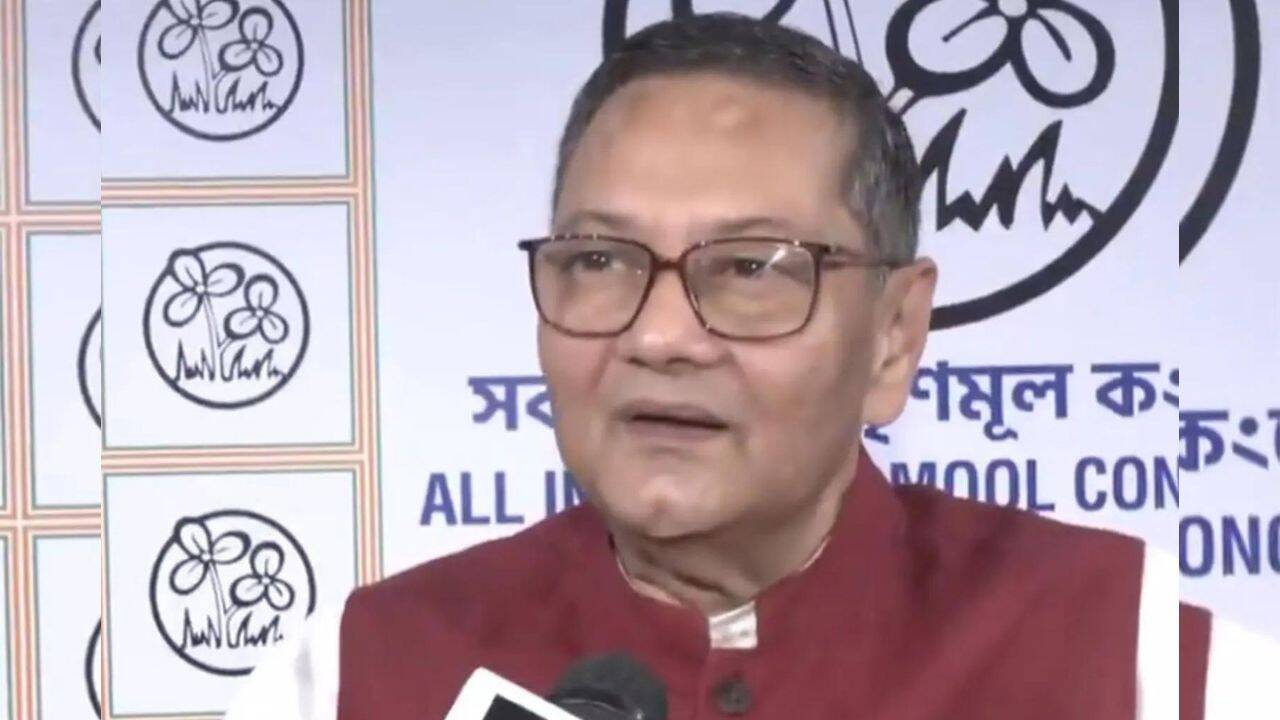
Kolkata, February 10, 2025 – Chandra Kumar Bose, the grandnephew of freedom fighter Netaji Subhas Chandra Bose, has resigned from the Trinamool Congress (TMC), barely months after joining the party ahead of the 2026 West Bengal Assembly elections. In a statement issued on Monday, Bose cited “personal reasons” for his departure but also aimed a sharp critique at both the TMC and the Bharatiya Janata Party (BJP), calling them “two sides of the same coin.”
Bose, who is the grandson of Netaji’s elder brother Sarat Chandra Bose, has had a chequered political career. He was a member of the BJP for several years and contested the 2019 Lok Sabha elections from the Kolkata Dakshin constituency on a BJP ticket, but lost to the TMC’s Mala Roy. He later grew disillusioned with the BJP and resigned from the party in 2020, citing differences over ideological and organisational issues. In August 2024, he joined the TMC, a move seen as an attempt by Chief Minister Mamata Banerjee to broaden the party’s appeal and project a pan-Indian nationalist legacy ahead of the Assembly polls.
His resignation, however, has now delivered a blow to TMC’s efforts to leverage the Netaji legacy for electoral gains. Political observers note that Bose’s reference to both parties as being similar highlights a growing sense of disenchantment among some members of the Bose family with mainstream political outfits. “The TMC and the BJP are two sides of the same coin. Their ideologies may differ on paper, but their methods and motives are identical,” Bose said in his resignation letter, a copy of which was released to the media.
The timing of the resignation is significant. The 2026 West Bengal Assembly elections are expected to witness a high-voltage contest between the TMC and the BJP, which has been trying to expand its footprint in the state. The BJP has repeatedly invoked Netaji’s legacy as part of its political narrative, while the TMC has also sought to claim the freedom fighter’s memory, renaming the city’s international airport after him and organising events on his birth anniversary. Bose’s exit from the TMC and his verbal attack on both parties could potentially influence voter perception, though analysts remain divided on the extent of his political influence.
Members of Netaji’s family have often been courted by political parties due to their symbolic value. Earlier, Netaji’s daughter, Anita Bose Pfaff, has kept a deliberate distance from active politics, while other family members have occasionally made political statements. Chandra Kumar Bose, however, has been the most visible family member in electoral politics. His moves have been closely watched, and his defections have historically generated significant media attention.
Reacting to the resignation, TMC spokesperson Kunal Ghosh said the party respects Bose’s personal decision and thanked him for his brief association. “We have always held Netaji’s family in high regard. If he has chosen to leave for personal reasons, we wish him well,” Ghosh said. The BJP, on the other hand, has not issued an official reaction, but some party leaders in West Bengal have hinted that Bose might be welcomed back if he reconciles with the party’s leadership.
Political analysts suggest that Bose’s statement may resonate with voters who are frustrated with the adversarial politics of both major parties. “His remark about the two sides being the same coin could be used by smaller parties or independent candidates to appeal to disenchanted voters. But whether it translates into electoral gains remains to be seen,” said Dr. Mitali Chatterjee, a political science professor at Jadavpur University.
Chandra Kumar Bose has not yet announced his next political move. In his resignation letter, he stated that he will continue to work for the ideals of Netaji and for the welfare of the people of Bengal, but outside the framework of party politics. He also urged citizens to “rise above party lines” in the run-up to the 2026 elections, a statement that could be interpreted as a veiled appeal for a third front or a non-partisan movement.
The development comes at a time when the TMC is already facing internal challenges, including defections of some leaders to the BJP. The party has been striving to project itself as the sole defender of Bengal’s interests, and the loss of a prominent figure like Bose could dent that narrative. However, TMC leaders downplay the impact, asserting that organisational strength matters more than individual personalities.
As the 2026 elections draw closer, the political landscape in Bengal remains fluid. The entry and exit of figures like Chandra Kumar Bose underscore the complexities of electoral politics, where legacy and symbolism often intersect with present-day calculations. For now, Bose’s departure serves as a reminder that political loyalties in the state are rarely permanent.