NEET Paper Leak on Telegram Exposes Deep Flaws in Exam Security and Coaching Economy
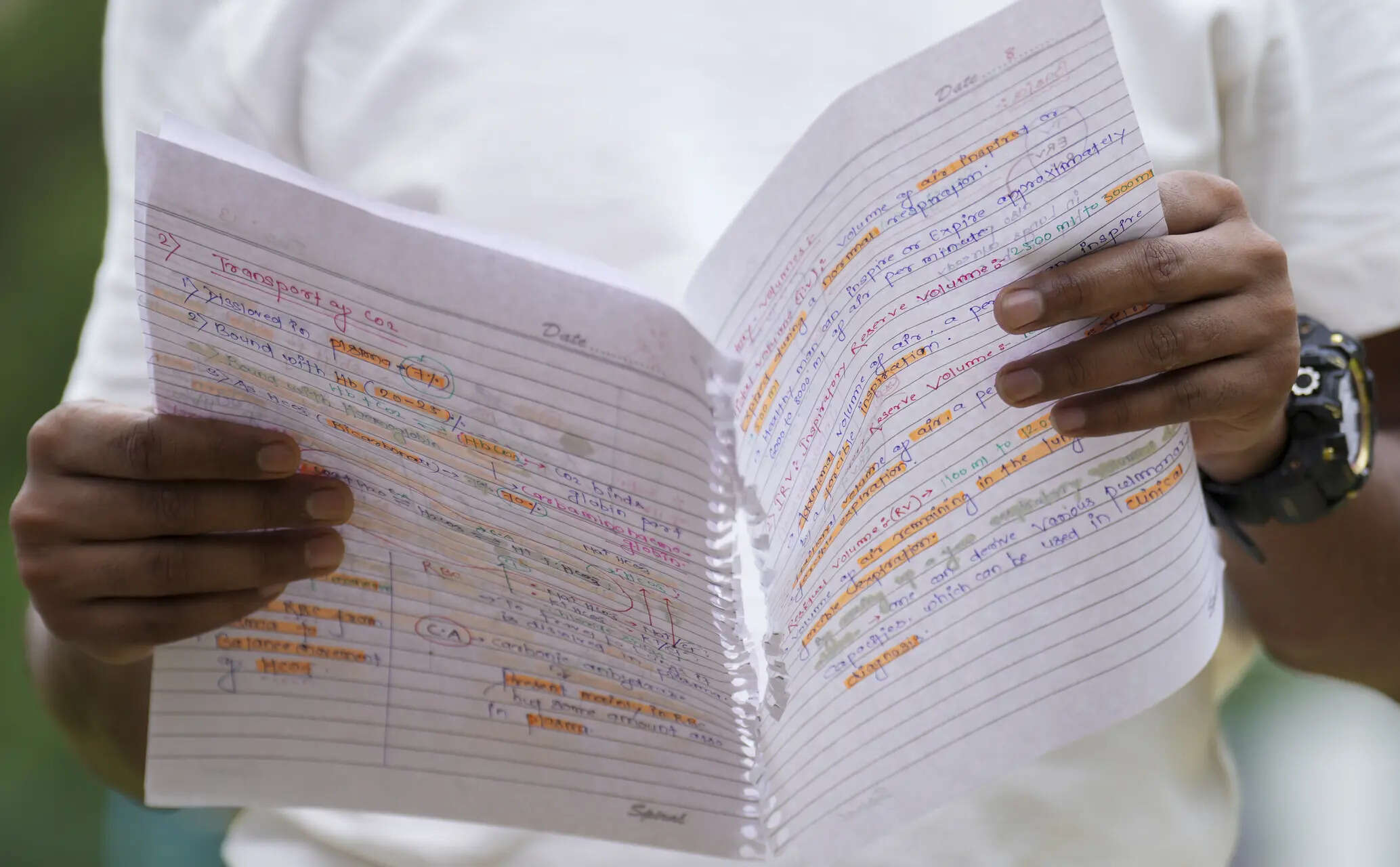
The recent leak of the National Eligibility cum Entrance Test (NEET) question paper on Telegram has sparked widespread outrage, raising serious questions about the integrity of India's medical entrance examinations. On [date], several Telegram channels were found circulating screenshots of the question paper hours before the exam, leading to a police investigation and the arrest of multiple suspects. The incident has not only compromised the fairness of the exam for over 2 million candidates but has also highlighted a deeper battle over the coaching industry, piracy of educational content, and unequal access to resources.
The National Testing Agency (NTA), which conducts NEET, has faced criticism for its handling of the situation. While the agency claims to have identified the source of the leak and taken steps to secure future exams, many students and parents remain sceptical. The incident is not isolated; it is part of a pattern of security lapses in high-stakes exams, including the recent UGC-NET cancellation. The reliance on digital platforms for exam administration, especially in a country with vast disparities in internet access, has created new vulnerabilities.
At the heart of the controversy is the role of Telegram. The messaging app, known for its encryption and large group capacities, has become a hub for sharing study materials, but also for illicit activities like paper leaks and piracy of coaching videos. Coaching institutes, which have become a multi-billion rupee industry in India, often produce expensive courses and mock tests. Many students, unable to afford these, turn to pirated versions on Telegram groups. This has led to a cat-and-mouse game between institutes trying to protect their intellectual property and students seeking affordable access.
The leak also underscores the pressure-cooker environment of Indian medical entrance exams. With only a few thousand seats for over a million aspirants, the competition is fierce. The coaching industry capitalises on this anxiety, charging exorbitant fees that are out of reach for many rural and low-income students. Those who cannot afford coaching often rely on free or pirated materials, creating a parallel economy of unregulated content sharing. The Telegram incident is a symptom of a system where access to quality education is deeply unequal.
Authorities must now address both the immediate security failures and the systemic issues. The NTA needs to implement robust cybersecurity measures, including encrypted question paper delivery and real-time monitoring of digital platforms. Simultaneously, policymakers must consider regulating the coaching industry and subsidising quality test preparation for underprivileged students. The constitutional right to equality of opportunity in education demands no less.
As investigations continue, one thing is clear: the NEET leak is not just a technical glitch but a reflection of a fractured educational ecosystem. Until access to coaching and study materials is democratised, such controversies will likely recur. Students, who are the ultimate victims, deserve a fair and secure examination system.







