NASA astronaut Anil Menon to begin 8-month ISS mission on Tuesday
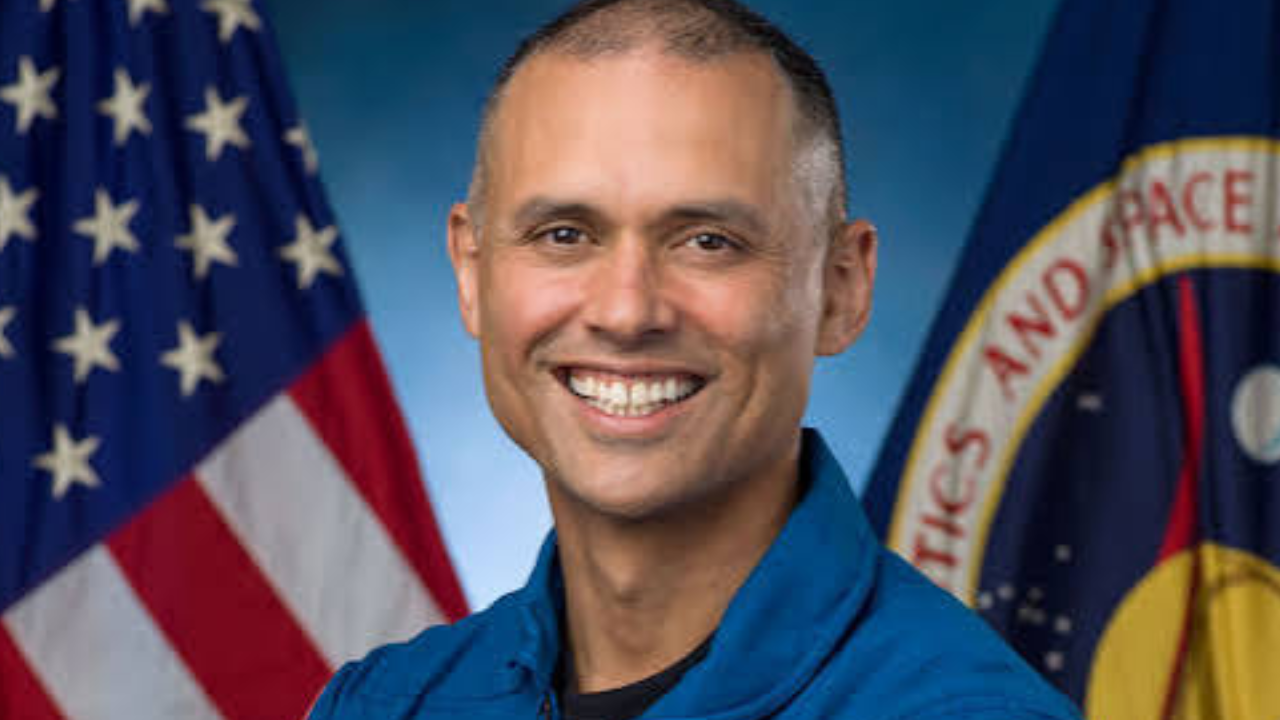
NASA astronaut Anil Menon, an Indian-American emergency medicine physician and US Space Force Colonel, is scheduled to launch on an eight-month mission to the International Space Station (ISS) on Tuesday. Menon, 49, will travel aboard Russia's Roscosmos Soyuz MS-29 spacecraft from the Baikonur Cosmodrome in Kazakhstan.
During the mission, Menon will conduct research on the physiological effects of long-duration microgravity and test new medical technologies for future space exploration. The flight is part of NASA's ongoing collaboration with international partners to advance scientific knowledge in low-Earth orbit.
Menon was born in Minneapolis, Minnesota, to Ukrainian and Indian immigrants. His father emigrated from India, and Menon has frequently expressed pride in his Indian heritage, citing India's space ambitions as an inspiration. He spent a year in India as a Rotary Ambassadorial Scholar after graduating from Harvard University, during which he supported polio immunisation programmes in Delhi's Greater Kailash and remote villages.
Before joining NASA, Menon served as a flight surgeon for the agency in 2014, supporting astronauts on the ISS. He later worked at SpaceX, where he established the company's medical programme and contributed to preparations for its first human spaceflights, including the development of the Starship vehicle. Menon was selected as a NASA astronaut in December 2021 and completed the two-year training program.
Menon's career also includes service in the US Air Force on the frontlines in Afghanistan during Operation Enduring Freedom, as well as medical work with the Himalayan Rescue Association on Mount Everest. He holds over 1,000 hours of piloting experience and is a certified flight instructor.
Menon is married to Anna Wilhelm Menon, an astronaut who flew on SpaceX's Polaris Dawn mission in September 2024. The couple has two children.
The launch is scheduled for Tuesday, with docking at the ISS expected later that day. The mission is part of NASA's regular crew rotation to maintain operations on the space station.







