Mumbai's Water Security Strained as Two Key Projects Face Years of Delay
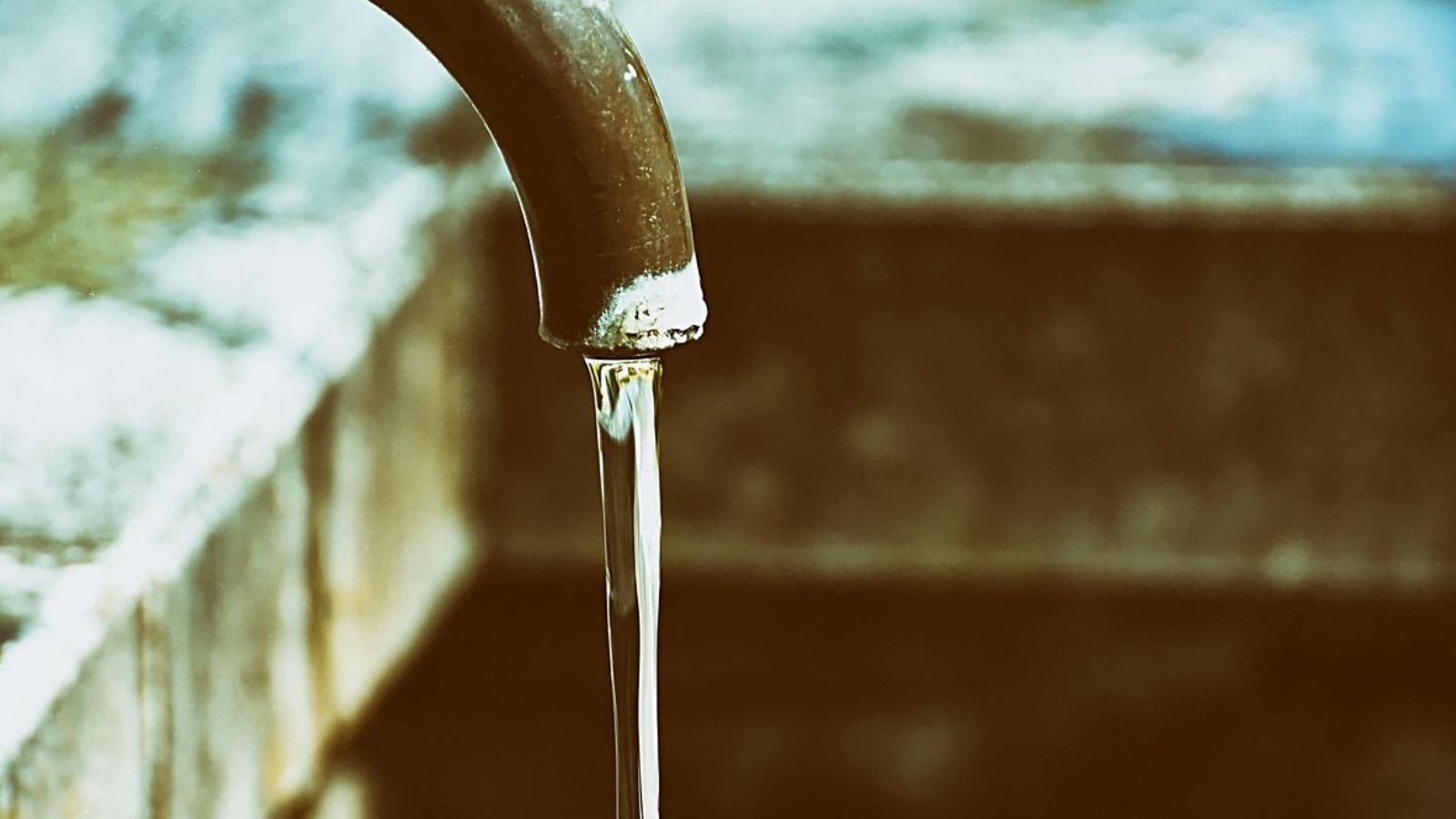
Mumbai is facing a severe water shortage as lakes and reservoirs that supply the city run low, compounded by a delayed monsoon and rising temperatures. The island city depends entirely on seven lakes — Tulsi, Vihar, Tansa, Bhatsa, Modak Sagar, Upper Vaitarna and Middle Vaitarna — which are replenished only during the monsoon. This reliance could have been reduced had two major projects, the Gargai Dam and a desalination plant, been completed on time.
Together, these projects were designed to add 640 million litres per day (MLD) to Mumbai's current supply of about 3,900 MLD. However, repeated changes in political leadership at the state and civic levels, along with technical hurdles, have led to delays and shifting priorities, leaving the city vulnerable to water crises.
The Gargai Dam project, proposed in 2015 by the then Mahayuti government led by Devendra Fadnavis, aimed to provide 440 MLD. It involved constructing a 69-metre-high dam on the Gargai River in Palghar district, with an initial target of completion by 2025. However, the Maha Vikas Aghadi (MVA) government that came to power in 2019 stalled the project, citing environmental concerns. The dam would have required diversion of 845 hectares of forest land and impacted over 3 lakh trees. Consequently, the project lost momentum and failed to secure environmental clearances. After the Mahayuti alliance regained control of the Brihanmumbai Municipal Corporation (BMC) earlier this year, the project was revived, but years of delay remain.
Following the stalling of the Gargai Dam, the MVA government and the then Shiv Sena-led BMC proposed a desalination plant at Manori in the western suburbs, with a capacity of 200 MLD. Drawing lessons from countries like Israel, the plant would treat seawater for potable use. In 2021, BMC signed a memorandum of understanding with an Israeli firm to prepare a detailed project report, which was submitted in 2022. However, after the Eknath Shinde-led Mahayuti government took office in 2022, the project lost momentum and underwent reviews. Political shifts, from MVA to Mahayuti, have repeatedly disrupted progress.
The delay in these two projects means Mumbai continues to depend entirely on monsoon-fed lakes, leaving it exposed to climate-induced risks such as delayed rainfall and drought. With water demand rising, the city's water security remains precarious, and the benefits of the planned 640 MLD additional supply are still years away.