Mumbai 7/11 Blasts: 20 Years On, Survivors Seek Justice and Closure
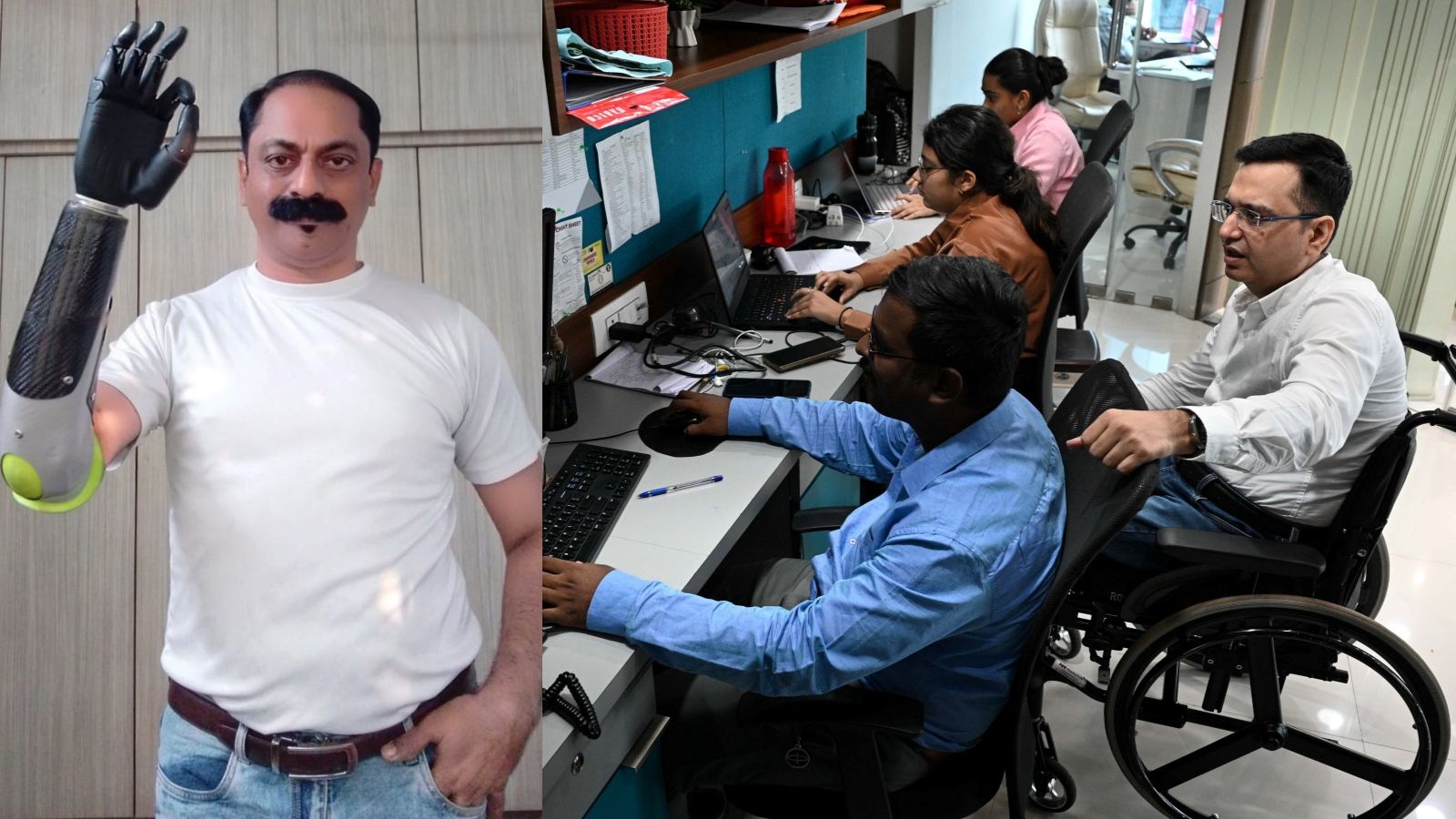
Twenty years after seven coordinated bomb blasts tore through Mumbai's Western Railway suburban trains on the evening of July 11, 2006, many survivors continue to bear the physical, emotional, and financial scars of that day. The attacks killed 187 people and injured 817.
Last year, the Bombay High Court acquitted all 12 men convicted by a special trial court, ruling that the prosecution had failed to prove guilt beyond reasonable doubt. Five of the accused had been sentenced to death and seven to life imprisonment in 2015; they were freed after nearly two decades in prison. The Maharashtra government has since challenged the acquittal in the Supreme Court.
For survivors, the acquittal reopened wounds. Many say they still receive inadequate long-term support despite permanent disabilities.
Chirag Arvind Chauhan, now 40, was a 20-year-old chartered accountancy student when the blast left him with a spinal cord injury, paralysing nearly 85% of his body below the chest. He spent two-and-a-half months in hospital and two years in physiotherapy before he could sit for long periods. 'Initially, even sitting upright would make me feel faint. Slowly, my body adapted,' he recalled.
Rather than dwell on loss, Chauhan chose to rebuild. He completed his CA, founded his own practice in 2012, earned an LLB, and learned to drive a hand-controlled car, covering over 1.5 lakh kilometres across India. 'I don't let the wheelchair define me,' he said.
But the question of justice lingers. 'When the acquittal came last year, we were all upset because justice had not been delivered. We still don't know who actually carried out the blasts,' Chauhan said. 'Maybe the real accused are still roaming free.'
He demanded that the actual culprits be punished according to the law. 'The loss has already happened... It has taken two decades just to reach a point where we still cannot answer the most basic question: who did this?'
As the 20th anniversary passes, survivors continue to wait for closure and accountability, while the legal process remains unresolved.







